Turku is best explored in two parts: a medieval town you can walk along the Aura River, then the islands of southwest Finland, by car, bike or ferry. This article helps you choose what to see in town, understand what the archipelago has to offer, and plan how long to stay, how to get there from Helsinki, and what to check before you leave.
Turku, Finland's oldest city
Founded almost 800 years ago, Turku is the oldest city and former capital of the country[1]. The first records of its history as an urban center date back to the 13th century[2]. It takes pride in its long cultural history and its role as a gateway to the Western world[1].
A local saying asks why you would bother visiting Paris when you have Turku, and the city is often called “the Paris of Finland”[2]. Take it as local pride rather than a description: what really wins people over is the mix of an old center and a lively urban scene, rich in culture and good food[2].
Along the Aura: castle, cathedral and riverbanks
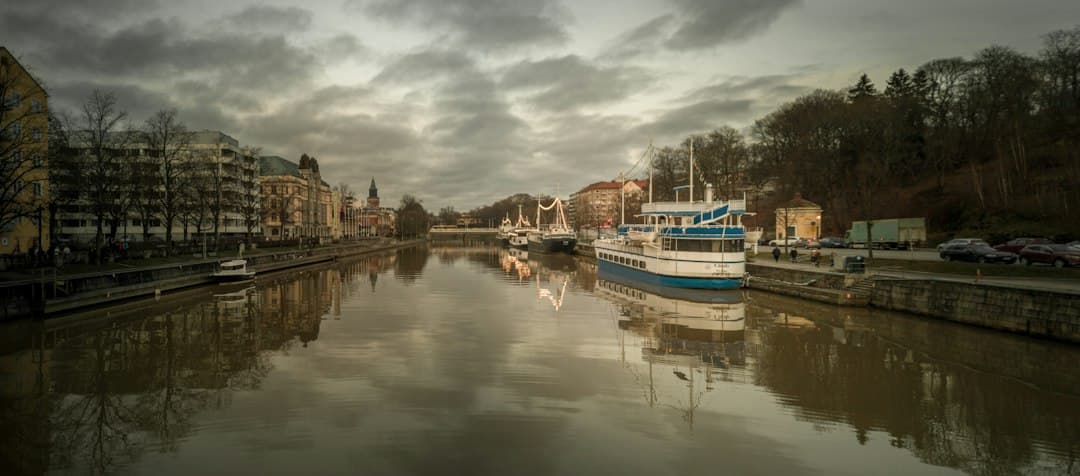
The Aurajoki River is the heart of the city, where it was born along its banks in the early 13th century; today the riverbank is a busy meeting place for locals[1]. A walk between the cathedral and Turku Castle gives an excellent overview of the city's landscape[1]. Along the way you pass many museums, and some of Turku's most popular restaurants and cafés sit on the riverbank[1]. You can also eat on terraces or on restaurant boats[3].
Turku Castle, built in 1280, is an impressive fortress of pink and grey granite that has weathered the country's historical upheavals[3]. The cathedral was consecrated in 1300; it is Finland's national sanctuary[4].
To cross the river, the small orange Föri ferry links both banks in a few minutes and offers beautiful views for free[1].
Museums and historic quarters
Luostarinmäki is the wooden house quarter that escaped the great fire of Turku[4]. According to Routard, this block was built in the 18th century by fishermen and craftsmen, and it is the oldest and best-preserved group of wooden houses in Finland; in season, craftspeople bring old traditional skills back to life there[3].
Depending on your tastes, several museums stand out:
- Aboa Vetus & Ars Nova, which combines contemporary art exhibitions with archaeology[2]; the museum displays a quarter of the underground ruins uncovered during excavations[1].
- Forum Marinum, a maritime museum that reminds visitors that Turku faces the sea[3].
- The Sibelius Museum, one of Finland's most important music museums, with exhibitions and concerts[2].
Kakolanmäki, the hill of the former regional prison in service since 1853, now draws visitors with its hotels and restaurants[1]. You can sleep in a former cell at Hotel Kakola, taste products from the local KBC Taporoom brewery, or visit the hill's museum, which runs guided tours year-round[1]. The funicular that departs from the former prison is free, and the ride up takes only one minute[1].
Ruissalo: the first island of the archipelago
Ruissalo island lies 12 km southwest of the city; it has beautiful oak forests and walking trails leading to pastel-colored villas[1]. The University of Turku botanical garden is in the heart of the island[1]. You can get there by car, bus and bike, and a ferry also links Martinsilta with the city center[1].
By bike, the Ruissalo route, presented as a first step into the archipelago, takes about 2 to 3 hours at a relaxed pace[5]. Allow a bit more time to enjoy the island's calm[5].
The Archipelago Trail: islands, bridges and ferries
The Turku archipelago route is a 250 km loop network best discovered by road[1]. Bridges and ferries link the islands and pass through picturesque villages, national parks and lighthouses[1]. Visit Finland presents it as a 250 km loop circuit, the Archipelago Trail, among the country's best cycling routes[6]. On site, it is signposted under its English name[2].
A few stops stand out:
- Nagu (Nauvo in Finnish) stands out for its lively marina, cafés, and restaurants[7].
- Korpo (Korppoo), further west, offers a wilder atmosphere, with its forests and medieval church[7].
- Utö, the southernmost inhabited island in Finland, is famous for its historic lighthouse, the oldest still in operation in the country[7].
- Seili (Själö) served as a place of isolation for lepers from 1619, then as a psychiatric hospital until 1962; today it houses a research center[7].
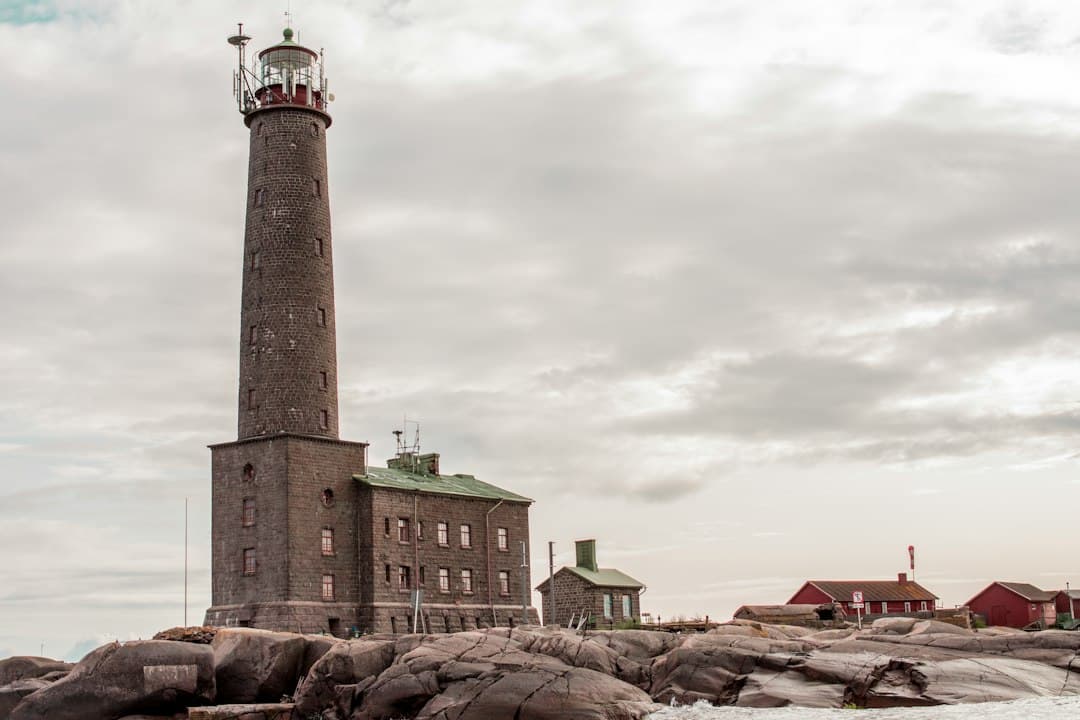
- Bengtskär, off the coast of Turku, is home to the largest lighthouse in the Nordic countries[6].
On the water, sea kayaking is an excellent way to explore the coves and more remote islands[7].
Culture and Flavors of the Coast
With more than 50,000 islands, the region is described by Visit Finland as the largest archipelago in the world[6]. Finland was part of Sweden until 1809, and Swedish remains the country's second official language[6]. In the Turku archipelago, locals mostly speak Swedish, and the small villages with their charming wooden houses have changed very little since the 19th century[8]. Along the coast, especially on the Åland Islands, the bilingual culture reveals itself in both language and traditions[6].
At the table, the region produces excellent seafood, is home to some of the country's finest restaurants, such as Kaskis in Turku, and boasts local distilleries and craft microbreweries[6].
Practical Info: Season, Access, and Trip Length
- Season: From June to August, all tourist services are open and ferries run at full schedule[7].
- From Helsinki: The train is the simplest and most eco-friendly option; several direct connections run every day and the trip takes less than two hours[2].
- To Sweden: Many ferries leave from the port of Turku for Stockholm[2], usually with a stop in Mariehamn, on the Åland Islands[2].
- On site: Walking, buses, and bikes are the simplest ways to get around in summer[2].
- Loop duration: Plan for at least two nights by car or bus, and seven days by bike[1].
Good to Know Before You Go
- Most connecting ferries on the main route are free, but one section between Houtskär and Iniö is paid and seasonal[7].
- If a ferry departure is delayed by more than 90 minutes or canceled, the company must offer snacks or meals in proportion to the wait[9]. If an overnight stay becomes necessary, it must provide accommodation on board or on land when possible, with costs capped at €80 per night and three nights per passenger[9].
- This right to accommodation and transport does not apply if the company can prove that the cancellation or delay was caused by weather conditions that compromise safety, such as strong winds, rough seas, or flooding[9].
- It also does not apply if you were informed of the cancellation or delay before purchasing your ticket[9].
This article gives you the essentials to choose what you want to see. Museum and ferry schedules and fares, island-by-island itinerary choices, and accommodation bookings require digging deeper to plan a specific trip.
Keep exploring
- Finland: The Highlights, Region by Region
- Nuuksio National Park: Lakes, Forests and Trails One Hour from Helsinki
- Åland Islands: What to See and Do in the Autonomous Baltic Archipelago
- Porvoo: What to See and Do on a Day Trip from Helsinki
Sources
- 1.^ abcdefghijklmnopvisitfinland.com — Discover the Turku Region | Visit Finland: “Founded nearly 800 years ago, Turku is the oldest city and the former capital of the country.” “It boasts a long cultural history and its prominence as a gateway to the Western world.” “The Aurajoki River is the heart and soul of Turku, the city having been born along its banks in the early 13th century. Today, the riverbank is a lively meeting place for locals.” https://www.visitfinland.com/fr/les-articles/decouvrez-la-region-de-turku/ (accessed November 9, 2026)
- 2.^ abcdefghijvisitfinland.com — Discover Turku, Finland's Oldest City | Visit Finland: “Turku is Finland's oldest city: the first records of its history as an urban center date back to the 13th century.”; “A local saying goes: Why bother visiting Paris when you have Turku?”; “As Finland's oldest city, Turku has charm to spare, while offering an urban scene that is both very lively and rich in art and culture.” https://www.visitfinland.com/fr/lieux-a-explorer/cote-et-archipel/turku/ (accessed November 9, 2026)
- 3.^ abcdroutard.com — Visit Turku and Its Surroundings: plan your stay and trip to Turku and its surroundings | Routard.com: “You can relax here, meet people, have fun, drink, and eat on a terrace or on the restaurant boats.”; “Turku Castle and the Provincial Museum: built in 1280, this impressive fortress of pink and gray granite has weathered the country's historical ups and downs.”; “The Luostarinmäki Handicrafts Museum: a survivor of the Great Fire of 1827, which destroyed 2,500 homes, this city block is just as it was built in the 18th century by fishermen and artisans. It is the oldest, best-preserved and most cohesive collection of wooden houses in Finland.” https://www.routard.com/fr/guide/europe/finlande/turku-et-ses-environs (accessed November 9, 2026)
Show 6 more sourcesShow less
- 4.^ aben.visitturku.fi — Turku Museums - Visitturku.fi: “Turku Cathedral was consecrated in 1300 and is still today both Finland's national sanctuary and a very active place of worship.”; “One of the rare neighborhoods to escape the disaster is the wooden house district known as Luostarinmäki.” https://en.visitturku.fi/museums-turku (accessed November 9, 2026)
- 5.^ aben.visitturku.fi — Turku's Cycling Routes x 4 - visitturku.fi: “Duration: about 2 to 3 hours of cycling at a relaxed pace (but plan some extra time to enjoy the peaceful atmosphere).” https://en.visitturku.fi/turkus-cycling-routes-x4 (accessed November 9, 2026)
- 6.^ abcdefvisitfinland.com — Coast and Archipelago | Visit Finland: “This is where you'll find some of Finland's best cycling routes, such as the Archipelago Trail, a 250 km loop running through the Turku Archipelago.”; “Take an excursion to Bengtskär, off the coast of Turku, where you'll find the tallest lighthouse in the Nordic countries.”; “With more than 50,000 pretty islands scattered across the sea, it is the largest archipelago in the world.” https://www.visitfinland.com/fr/lieux-a-explorer/cote-et-archipel/ (accessed November 9, 2026)
- 7.^ abcdefgroutard.com — Visit the Turku Archipelago: plan your stay and trip to the Turku Archipelago | Routard.com: “Among the must-see stops, the island of Nagu (Nauvo in Finnish) stands out for its lively marina, cafés, and restaurants.”; “Further west, Korpo (Korppoo) offers a wilder, more authentic atmosphere, with its forests and medieval church.”; “Utö Island, the southernmost inhabited island in Finland, is famous for its historic lighthouse, the oldest still in operation in the country.” https://www.routard.com/fr/guide/europe/finlande/turku-et-ses-environs/archipel-de-turku (accessed November 9, 2026)
- 8.^viamichelin.fr — Turku Archipelago - Turku Tourism - ViaMichelin: “The people of the Turku archipelago mainly speak Swedish.”; “The small villages with their pretty wooden houses have changed very little since the 19th century.” https://www.viamichelin.fr/cartes-plans/sites-touristiques/poi/turku-_-d812d758141a (accessed November 9, 2026)
- 9.^ abcdkkv.fi — Cancellation or Delay - KKV: “The shipping company must offer snacks, meals, or refreshments free of charge, in a reasonable proportion to the waiting time.”; “Accommodation on board or on land where possible. The company may limit the cost of accommodation to 80 euros per night and to a maximum of three nights per passenger.”; “The right to accommodation and transport does not apply if the company demonstrates that the cancellation or delay was caused by weather conditions that compromise safety, such as strong winds, rough seas, or flooding.” https://www.kkv.fi/en/consumer-affairs/travel-and-accommodation/ship-and-ferry-traffic/cancellation-or-delay/ (accessed November 9, 2026)