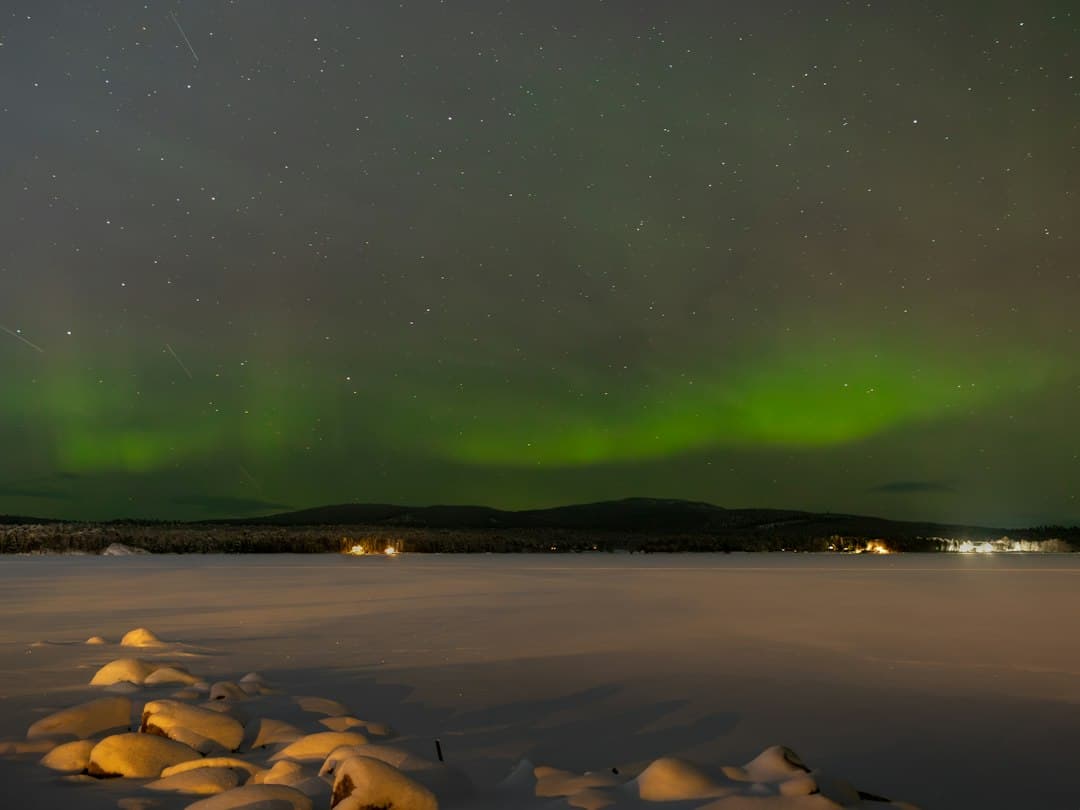
Inari, on the shore of the lake of the same name, is the village where you can best understand Sámi culture in Finland. This article helps you plan a visit that combines the museum, the Sámi Parliament, the lake, hiking trails and meeting reindeer herders. You will also learn which season to choose, how much time to plan for, and how to avoid the pitfalls of tourism that doesn't respect the people who live here.
Inari, at the heart of Sámi land
Inari sits on the shore of vast Lake Inari, in the far north of Finnish Lapland[1]. It is an important center of Sámi culture, 40 km from Ivalo, at the heart of the largest municipality in Finland[2].
Sápmi, the Sámi homeland, is a cultural region that stretches across the north of four countries: Finland, Sweden, Norway and Russia[3]. In Finland, Sámi territory includes the municipalities of Enontekiö, Inari and Utsjoki, as well as the north of Sodankylä, around the village of Vuotso[4].
Three distinct Sámi languages are spoken in the municipality of Inari: North Sámi, Inari Sámi and Skolt Sámi[5]. This is not a theme park: people live, work and raise reindeer here[5].
Siida: understanding Sámi culture
Siida is the first stop: the Sámi Museum and Nature Centre presents Sámi culture and the wonders of Arctic nature[3]. Rotating indoor exhibitions focus on culture, art and nature, and an open-air museum completes the visit in summer[3]. The visit begins with a museum that celebrates the revival of Sámi identity and its recognition by public authorities[2].
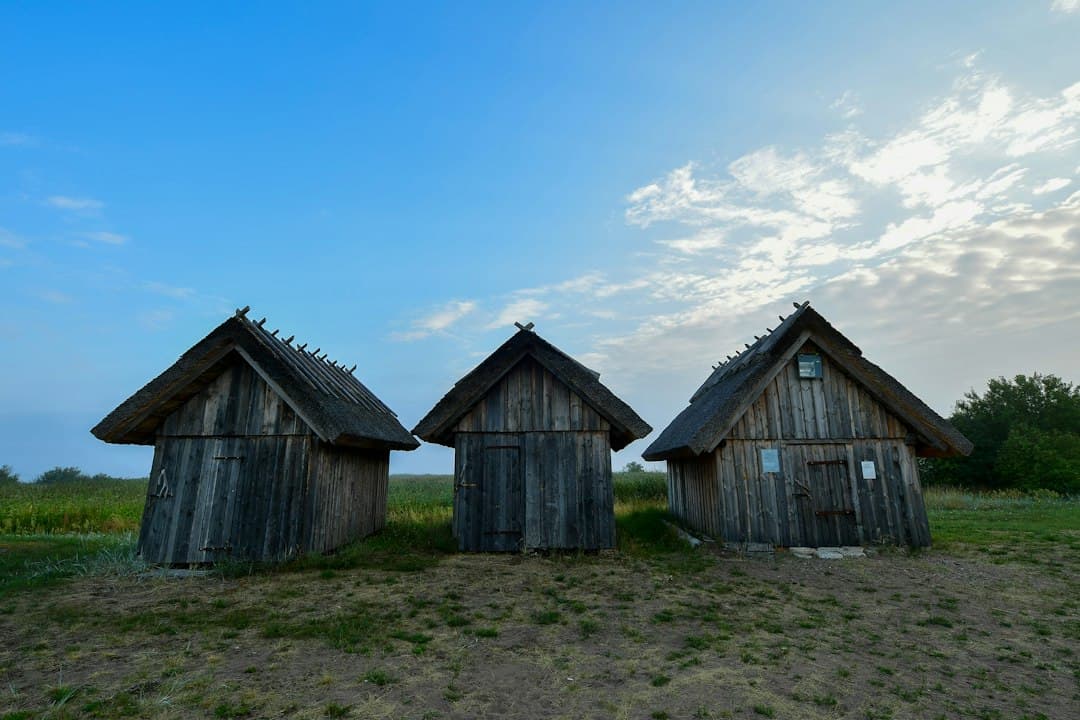
The open-air museum trail forms an 800 m loop. It features houses, wooden and turf huts, tents, a shed with canoes and sleds, animal traps and even a modest building that served as a court of justice, where the accused carved their names into the beams[2]. Some 50 buildings and structures are grouped by cultural area and by use[6].
This grouping matters: the museum presents Skolt, Inari and Northern cultures as distinct, and reading them as one undifferentiated Sámi culture loses what the museum has built[6]. According to another reading, reindeer herders, fishers and Skolts are also represented there, each with their own ways of life[2].
The museum was founded by a Sámi association, Sami Litto, in 1959, and opened to the public in summer 1963 as the first independent Sámi museum in the Nordic countries[7]. It is run by a foundation whose eight-member board must include at least four Finnish citizens of Sámi origin[7]. Visitors who spend two hours there leave having learned more than in a week of "Sámi experiences" marketed elsewhere in Lapland[5].
Sajos: today's Sámi culture
A ten-minute walk from Siida is Sajos, the cultural and administrative center[3]. This wooden building houses the main office and the chamber of the Sámi Parliament, along with various other organizations[3].
You can visit the Sámi Parliament on a guided tour[3]. These tours offer insight into Sámi self-government and contemporary culture[1]. It is the natural complement to the museum: Siida tells you where this culture comes from, Sajos shows how it organizes itself today.
Lake Inari and Ukonsaari Island
Lake Inari is the third largest lake in Finland and has about 3,318 islands, as well as vast stretches of open water with no islands at all[1]. From June, a cruise lets you explore it, sometimes under the midnight sun[1].
Ukonsaari (or Ukonkivi) is a rocky island about 30 meters high, visible from afar[1]. It long served as a place of worship for the Sámi people, and reindeer antlers offered as sacrifices have been found there[8]. It is a sacred site that all lake visitors must respect[1]. Cruises leave regularly from the Inari harbor to circle the island during summer[8], other boat excursions run from June to mid-September[9], and private boat trips are also possible[8].
Around the lake, a dense network of shelters lines the shores and small islands, useful to canoeists and boaters in summer[1]. The lake is usually frozen from November to early June[8].
Trails and Landscapes Around the Village
The Pielpajärvi trail leads to the Church of the Wilderness, far from everything, in a clearing surrounded by birch trees[2]. In summer, you can reach it by a 5 km trail or by boat; in winter, by ski or snowmobile[1]. The trail is marked, stony and sometimes marshy[2]. If you'd rather avoid going back the same way, ask to be dropped off at Pielpavuono at the end of your cruise: a 2.6 km trail then leads to the church[2].
The church is flanked by two cabins that once sheltered the faithful, the last remnants of a Sámi village[2]. It is considered a sacred place: follow the signs and instructions[3].
The Otsamo trail follows the left bank of the Juutuanjoki for 5 km, then climbs into a purely mineral landscape. From the summit, at 418 m, the panorama stretches over the hills, the Juutuanjoki valley and Lake Inari in the distance[2]. Along the Jäniskoski trail, you'll cross a suspension bridge leading to a small, cozy cabin where you can grill sausages by the rapids[10].
About forty kilometers from Ivalo, on the southeast shore of the lake, the village of Nellim is a cultural crossroads where Inari Sámi, Skolt Sámi and Finns live side by side[11]. The Finns arrived in the 1920s for logging, joined after World War II by Skolt Sámi families who had fled the Petsamo region[11].
Meeting the Sámi and Reindeer
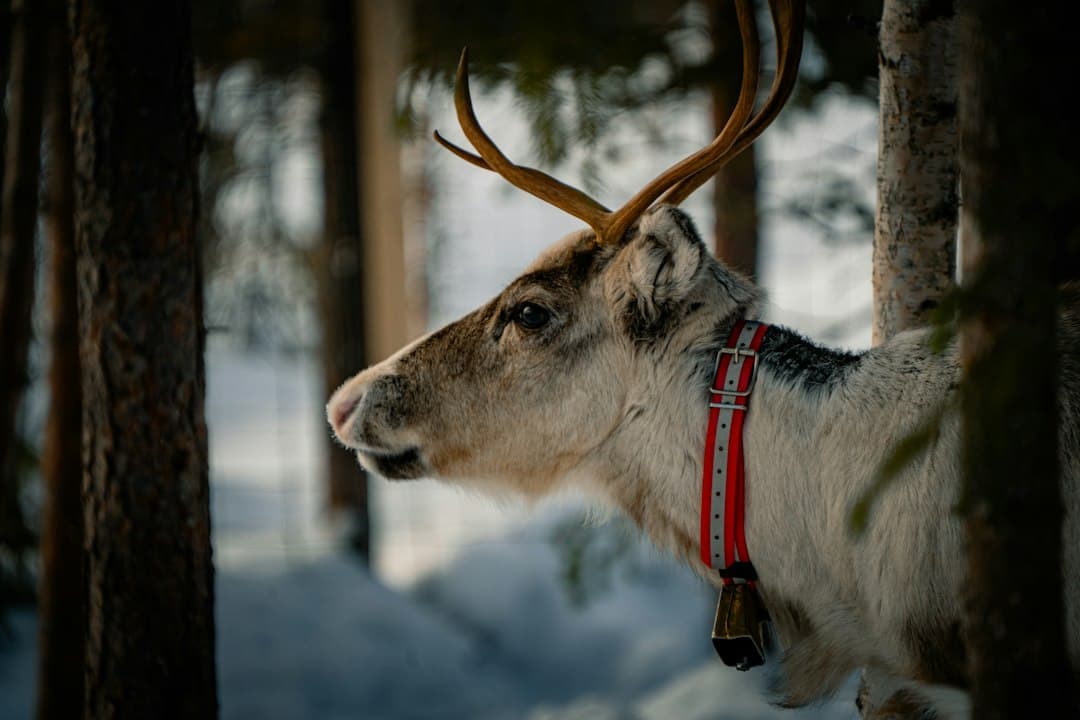
To discover Sámi life, choose local businesses run by Sámi, for example a traditional sleigh ride pulled by reindeer[1]. At the Inari Reindeer Farm, a family farm not far from the village, you can fish for trout in the river, ride a reindeer sleigh or walk among the animals[10]. The farm is run by Jan-Eerik Paadar, a reindeer herder whose family is deeply tied to the region[10].
This kind of Sámi operator changes the nature of the encounter: it is less a tourist attraction than a visit to someone who makes a living from this herding[5]. A short feeding visit starts at €35[5]. One question will remain unanswered: the herder's number of reindeer is a closely guarded secret, and the answer will always be “Kahta puolen puuta,” meaning “there are many”[10].
To go further, the Sámi Education Centre lets you learn Sámi languages, crafts and reindeer herding[1].
Eating in Inari
Among the local specialties, you can taste reindeer, king crab, red trout and puurrâmrääsi, a local herb[10]. If you cook for yourself in a cabin, shop in Ivalo: the choice is limited in Inari's stores[5].
When to Go and How Long to Plan For
One day is enough for a first look at the village; two let you combine the museum, the lake and the trails. Choose the season based on what you're looking for:
- Summer, from June to August, is ideal for cruises, hiking and the midnight sun[8].
- Winter, from December to March, is ideal for skiing, snowshoeing and watching the northern lights[8].
- The first snows normally fall in early October, and they tend to stick around for the whole winter[10].
As for getting there, the village is 40 km from Ivalo[2]. Siida's opening hours and prices vary by season. The site is open every day from 9:00 am to 6:00 pm from June 1 to September 27, 2026, then Monday to Saturday from 10:00 am to 5:00 pm from October 5, 2026 to May 31, 2027[6]. It closes entirely for maintenance from September 28 to October 4, 2026[6]. An adult ticket costs €18, children aged 7 to 17 pay €7, children under seven enter for free, and the family ticket costs €36[6].
Visiting with Respect
You are a guest in a territory rich in customs that must be acknowledged and respected[4]. What looks like wilderness to a visitor is a home for the Sámi, and often a source of livelihood unrelated to tourism[4].
- Follow the signs and instructions at sacred sites and heritage locations[3].
- Do not photograph children at play, and do not enter reindeer enclosures[3].
- Ask before photographing someone: the gákti, traditional clothing, is not a costume; it carries information about family and region[5].
- Leave no trace: take your waste with you and stay on existing roads and trails[3].
- Respect residents' privacy: the right to the inviolability of the home includes reindeer fences near houses[4].
Also avoid the word "Lapps" to refer to the Sámi: it is considered pejorative[5].
Pitfalls and Things to Watch For
- Some "Sámi experiences" offered in Lapland amount to photos in costume organized by non-Sámi: ask who runs the activity before you book[5]. Sámi culture has often been commercialized and appropriated for financial gain[3].
- In July, the boat to Ukonsaari is packed[2].
- Wheelchair access to the Siida open-air museum is given inconsistently on two of the museum's pages. If you are traveling in a wheelchair or with a stroller, call the museum at +358 (0)400 898 212 before you visit[6].
Checklist Before You Leave
- Check Siida's hours before you go: in winter, from October 5, 2026 to May 31, 2027, the museum is open Monday to Saturday from 10:00 am to 5:00 pm and closed on Sundays, and its hours change by season[6].
- Plan one day for a first look, or two days to combine the museum, the lake, and the trails.
- Book an activity with a Sámi operator and ask who runs it[5].
- Do your grocery shopping in Ivalo if you are staying in a cabin[5].
This article covers the essentials for a first visit. To build a complete itinerary in Lapland, the transport, a line-by-line budget, and choosing accommodation require going further.
Keep exploring
- Finland: The Highlights, Region by Region
- Saariselkä and Urho Kekkonen National Park: What to See and Do
- Rovaniemi and Lapland: What to See and Do Above the Arctic Circle
- Oulu: What to See and Do in Northern Finland's Largest City
Sources
- 1.^ abcdefghijlaplandnorth.fi — Inari in Finland: Sámi Culture and Lake Inari | Lapland North: "Inari, the heart of Sámi culture, sits on the vast and magnificent Lake Inari, in the far north of Finnish Lapland." ; "Guided tours offer an overview of the Sámi parliament and contemporary culture." ; "Lake Inari, Finland's third-largest lake, has about 3,318 islands as well as vast stretches of water without any islands." https://laplandnorth.fi/fr/destinations/inari/ (accessed November 9, 2026)
- 2.^ abcdefghijkroutard.com — Visiting Inari: Plan Your Stay and Trip to Inari | Routard.com: "40 km from Ivalo, in the heart of Finland's largest municipality (17,000 km2!), Inari is an important center of Sámi culture." ; "The visit begins with Siida itself: a museum (whose name refers to a traditional village) that celebrates the revival of Sámi identity and its recognition by the public authorities." ; "A 800 m loop trail lets you discover a range of Sámi buildings that survived the ravages of World War II: houses, wooden or peat huts, tents, a shed with a canoe and sleds, animal traps, and a modest building used as a court of justice, where the accused carved their names into the beams!" https://www.routard.com/fr/guide/europe/finlande/laponie-finlandaise/inari (accessed November 9, 2026)
- 3.^ abcdefghijkvisitfinland.com — Meet the Sámi | Visit Finland: "Sápmi, the Sámi homeland, is a cultural region traditionally inhabited by the Sámi and extending into the north of four countries: Finland, Sweden, Norway, and Russia." ; "In addition to rotating indoor exhibitions on culture, art, and nature, Siida also offers an open-air museum in summer." ; "At Siida, you can discover Sámi culture and explore the wonders of Arctic nature." https://www.visitfinland.com/fr/les-articles/allez-a-la-rencontre-des-samis/ (accessed November 9, 2026)
Show 8 more sourcesShow less
- 4.^ abcdmatkailu.samediggi.fi — Knowledge and Skills of Sámi Tourism - Responsible Tourism in Sámi Homeland - Saamelaismatkailu: "In Finland, Sápmi covers the Sámi territory, which includes the municipalities of Enontekiö, Inari, and Utsjoki as well as the north of the municipality of Sodankylä, that is, the area around the village of Vuotso." ; "It is very important that visitors and the tourism industry in the Sámi homeland know that they are guests in a region rich in customs tied to culture, which must be recognized and respected." ; "What may be wilderness to the visitor is home to the Sámi, and for many also a source of livelihood unrelated to tourism." https://matkailu.samediggi.fi/en/visitor-guidance/ (accessed November 9, 2026)
- 5.^ abcdefghijklaplandtripplanner.com — Inari Lapland Guide 2026/27: Sámi Culture & Aurora: “Three distinct Sámi languages are spoken in the municipality: Northern Sámi, Inari Sámi and Skolt Sámi.” ; “This is not cultural tourism in the theme-park sense. People live here, work here, raise reindeer here.” ; “You will learn more in two hours at Siida than in a week of marketed Sámi experiences elsewhere in Lapland.” https://laplandtripplanner.com/inari-guide/ (accessed November 9, 2026)
- 6.^ abcdefglapland-unpacked.com — Saariselkä and Inari: Siida, Lemmenjoki, UKK National Park: “Along this trail stand about 50 buildings and structures, grouped by cultural area and by use, and the displays present the cultural heritage, built heritage and livelihoods of Finland's three Sámi cultures.” ; “The museum presents the Skolt, Inari and Northern Sámi collections as distinct, and reading everything as one undifferentiated Sámi culture loses what the museum has built.” ; “Siida is open daily from 9:00 am to 6:00 pm from June 1 to September 27, 2026, then Monday to Saturday from 10:00 am to 5:00 pm from October 5, 2026 to May 31, 2027, closed Sundays in winter.” https://www.lapland-unpacked.com/fr/destinations/saariselka-et-inari/ (accessed November 9, 2026)
- 7.^ ablapland-unpacked.com — Saariselkä e Inari: Siida, Lemmenjoki y el UKK: “The Sámi museum Siida was founded by a Sámi association, Sami Litto, in 1959, and opened to the public in summer 1963 as the first independent Sámi museum in the Nordic countries.” ; “It is governed by a foundation whose eight-member board must include at least four Finnish citizens of Sámi descent.” https://www.lapland-unpacked.com/es/destinations/saariselka-e-inari-norte-finlandia/ (accessed November 9, 2026)
- 8.^ abcdefroutard.com — Visiting Lake Inari: plan your stay and trip to Lake Inari | Routard.com: “Archaeological remains, such as reindeer antlers offered as sacrifices, have been discovered there.” ; “During summer, cruises regularly leave from Inari harbor to circle Ukonsaari island, offering a unique view of the lake.” ; “It is also possible to opt for private boat excursions.” https://www.routard.com/fr/guide/europe/finlande/laponie-finlandaise/inari/lac-inari (accessed November 9, 2026)
- 9.^viamichelin.fr — Lake Inari - Inari Tourism - ViaMichelin: “Boat excursions (from June to mid-September) departing from Inari to Ukonkivi, an island once reserved for sacrifices.” https://www.viamichelin.fr/cartes-plans/sites-touristiques/poi/inari-99870-e43e75aac729 (accessed November 9, 2026)
- 10.^ abcdefvisitfinland.com — Five things to do in dreamlike Inari | Visit Finland: “You will come across a suspension bridge, which you can cross to reach a small cozy cabin where you can grill a few sausages by the rapids.” ; “Not far from Inari, at the family farm Inari Reindeer Farm, you can fish for trout in the river, ride a reindeer-drawn sleigh, or simply walk among the reindeer.” ; “The farm is run by Jan-Eerik Paadar, a reindeer herder whose family is deeply tied to the region.” https://www.visitfinland.com/fr/les-articles/cinq-choses-a-vivre-dans-l-onirique-inari/ (accessed November 9, 2026)
- 11.^ abroutard.com — Visiting Nellim: plan your stay and trip to Nellim | Routard.com: “The small village of Nellim, home to fewer than 200 people, is a unique cultural crossroads where Inari Sámi, Skolt Sámi and Finns live side by side.” ; “Arriving for forestry work in the 1920s, the Finns were joined after World War II by Skolt Sámi families who had fled the Petsamo region.” https://www.routard.com/fr/guide/europe/finlande/laponie-finlandaise/nellim (accessed November 9, 2026)



