This article follows the order in which you'll encounter the steps to settle in Malaysia while working remotely: the residence permit, what it allows, taxes, and then daily life (healthcare, banking, housing, budget, internet, cities, transport). You'll learn which visa to aim for, which pitfalls to avoid, and the order in which to act. The amounts are rough guides: check fees and conditions on the MDEC portal before paying or leaving.
The Essentials at a Glance
- The DE Rantau Nomad Pass lets you work remotely from Malaysia for up to 12 months, with a possible renewal of 12 months[1].
- The pass is issued as a Professional Visit Pass by Immigration[1].
- You need to earn at least USD 24,000 per year and work for an employer or clients based outside Malaysia[2].
- DE Rantau does not allow you to work on the Malaysian market[3].
- Beyond 183 days in the country within a year, you generally become a tax resident, whether or not you hold a nomad visa[2]; keep track of your days with a margin and confirm the exact threshold with LHDN.
- Foreigners do not benefit from the subsidized Malaysian public healthcare system (non-resident rates): insurance is essential[4].
- Almost all banks require a valid long-stay pass to open an account[5].
- A 12-month lease is the standard for rentals[6].
- For French citizens, the tourist exemption is 90 days, with a digital arrival card (MDAC) to complete within 3 days before arrival[7][8].
Why Malaysia
Malaysia is presented on the official MDEC portal as a destination for digital nomads[9]. The DE Rantau program, launched in 2022 under the auspices of the Malaysia Digital Economy Corporation (MDEC), aims to make the country the preferred destination for digital nomads in Southeast Asia[10].
The Minister of Digital attributes this appeal to an affordable cost of living for high quality, a vibrant cultural environment, and modern infrastructure. In December 2023, the community platform nomadlist.com ranked Malaysia as the most appreciated country by digital nomads[10]. In day-to-day life, English is the working language in most companies and administrations[3].
Visa and Right to Stay: The DE Rantau Nomad Pass
What the Pass Allows
The DE Rantau Nomad Pass allows qualified foreign digital nomads to work remotely from Malaysia for up to 12 months, with an option to renew for an additional 12 months[1]. The pass issued is a Professional Visit Pass from Malaysian Immigration[1]. The passport must be valid for more than 14 months at the time of application, for the main applicant as well as for dependents[11].
The Requirements
- Work for an employer or clients based outside Malaysia[2].
- Prove an income of at least USD 24,000 per year, or roughly USD 2,000 per month[2].
- Eligibility now also covers profiles outside IT or digital fields: founders, managing directors, lawyers, technical writers, business development managers, public relations professionals, whether freelance or remote employees[10].
Dependents
The main applicant can bring close family members, who apply for a dependent's visa: spouse or civil partner, children under 18, and disabled children with no age limit[11].
Fees
The fees quoted are approximately RM 1,000 for the holder and RM 500 per dependent, plus taxes[2][11]: confirm the exact amount on the MDEC portal before paying.
90-Day Tourist Stay
French citizens are exempt from a visa for a stay of up to 90 days[7]. For most travelers, the digital arrival card MDAC must be completed within the 3 days before arrival[8].
Work Status: Employee of a Foreign Company or Self-Employed
The DE Rantau is designed for remote work for foreign employers: its holders may work for clients abroad, but may not carry on an activity in the Malaysian market[3]. The supporting documents depend on your status.
- Independent digital nomad: your contracts, purchase orders, or invoices with your clients, clearly stating the duration and value of the contract[11].
- Remote employee: your current employment contract with a non-Malaysian company, stating your salary and specifying that you are not required to work from an office and that remote work is permitted[11].
- Content creator without a client contract: documents confirming that you are a self-employed freelancer and that your income comes from a digital content platform[11].
If you want to invoice local clients, you must set up a company and obtain an appropriate work pass[3].
After the 24 months
When the pass's two years expire, the Minister of Digital has mentioned two paths: apply to the Malaysian Tech Entrepreneur Programme, where experienced entrepreneurs can apply for the five-year Residential Pass, or obtain Malaysia Digital status by setting up a company in Malaysia, which opens access to the Employment Pass system for foreign knowledge workers[10].

Taxation and Tax Residency
A remote work visa says nothing about your taxes, and this is the most common mistake. Spending more than 183 days in the country within a year generally makes you a tax resident there, nomad visa or not[2]. Another page cites a threshold of 182 days[12].
Tax residency is assessed country by country; keeping a home or family in France may be enough to keep you a resident there even beyond 183 days elsewhere[2]. If you are a French tax resident, also check the applicable tax treaty and your situation with a tax advisor.
- Residents: progressive rates from 0% to 30% under the Malaysian tax authority (LHDN) schedule[2].
- Non-residents (fewer than 182 days): Malaysian-source income taxed at a flat rate, with no relief[3]; a flat rate of 30% is indicated[12].
- Foreign-source income: presented as exempt until December 31, 2036 for a tax resident[2]. This rule comes from an unofficial source: confirm it with the LHDN.
- If an activity is taxable in Malaysia: registration with the LHDN and filing through the MyTax portal before April 30[12].
Taxation is the subject with the most serious consequences: confirm with a tax advisor specializing in international mobility before taking any action[13].
Health and Insurance
The system works on two levels: subsidized public healthcare, reserved for citizens, and private healthcare[12]. A foreigner can be treated in the public system, but pays the higher "non-resident" rate, without subsidies[4]. Expatriates generally use private hospitals or international health insurance[12].
- The private sector has more than 200 hospitals, and its prices are not regulated for foreigners: a complication can drive the bill up very quickly[4].
- Major private hospitals require a deposit or insurance guarantee before admitting an uninsured patient[4].
- International insurance costs roughly RM 3,000 to RM 8,000 per year[12].
Arrival Procedures: Banking, Payments, Phone
Bank Account
On a social visit or tourist stay, forget the standard account: nearly all banks require a valid long-stay pass, proof of address, proof of income, and often an initial deposit[5]. Ask the bank whether your DE Rantau pass is accepted before you go.
If you remain in Malaysia, a local bank is almost always the right choice[5].
Payments and Phone
Card and QR code payments are the norm in major cities[14], and a local SIM card can be bought in a store with your passport[3].
Accommodation
There is no minimum price for a foreign tenant, whereas purchase is subject to thresholds often set around one million ringgit depending on the state[6]. To start, book one month of furnished rental before signing the definitive lease, giving you time to visit the neighborhoods[3].
- Term: a 12-month lease is the norm; negotiate a clause allowing early exit with notice[6].
- The lease must be stamped (stamp duty) to be legally enforceable; it is almost always the agent who handles this[6].
Cost of Living by City
For a single person, budget about €950 per month for a comfortable lifestyle: monthly furnished rental, food, transportation, internet, and health insurance included[14]. Another source gives RM 3,800 to RM 6,000 per month, rent included[12].
Internet, Coworking, and Phone Service
Coverage depends on the building: ask for speed tests of the exact unit before paying a deposit[15]. Identify a coworking space with day-pass access near your home[15], and keep a backup plan during monsoon season for power or internet outages[15].
Cities and Regions
- Kuala Lumpur: the most popular, cosmopolitan, with international schools, an expat community, and an MRT/LRT network[12].
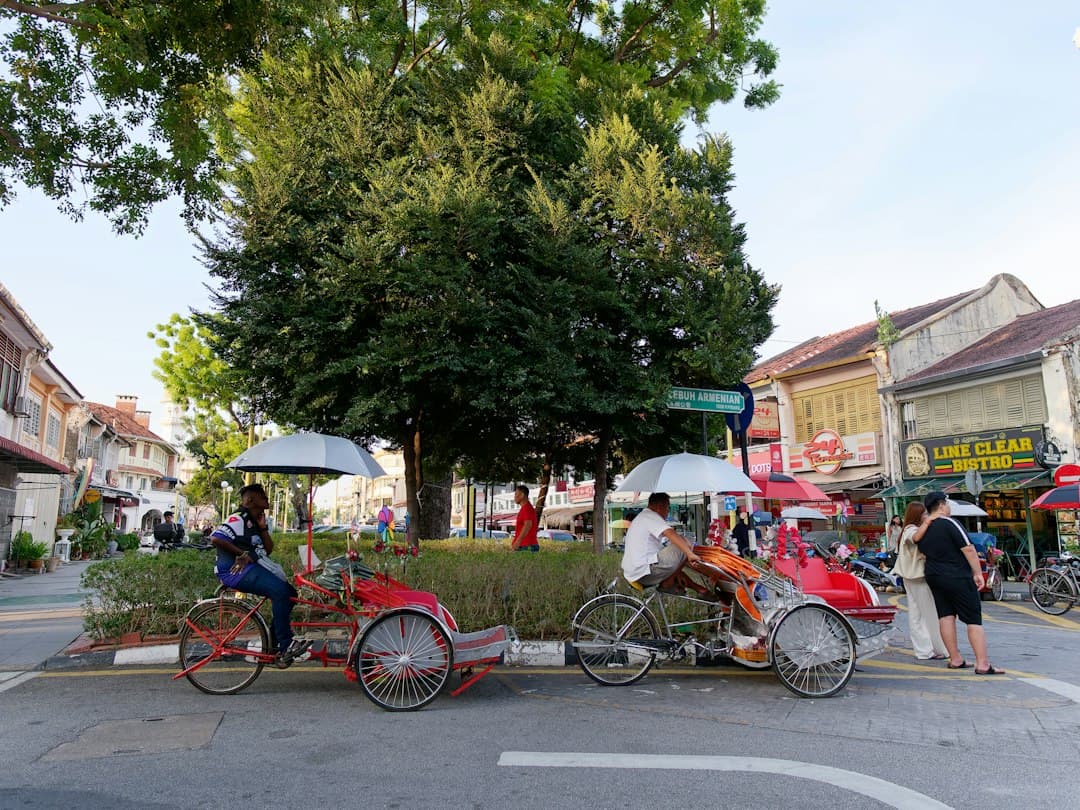
- Penang (George Town): UNESCO heritage, a food scene, lower costs[12].
- Johor Bahru: lower costs and appeal for people working in Singapore[12].
- Cyberjaya: suits tech profiles and digital nomads[12].
The right choice depends on where you work, your lifestyle (urban or island), your budget, and your family needs[12].
Transportation
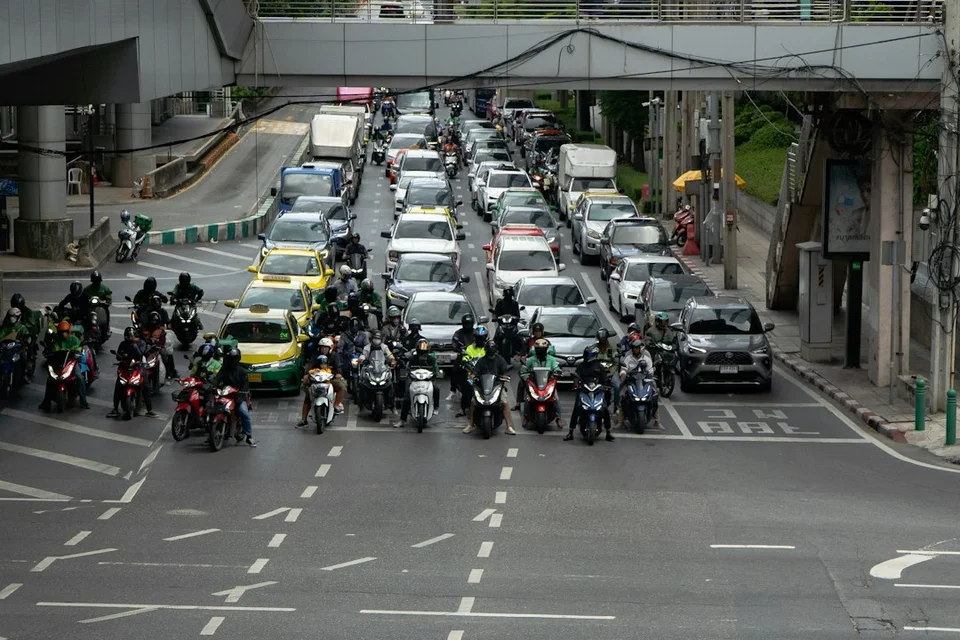
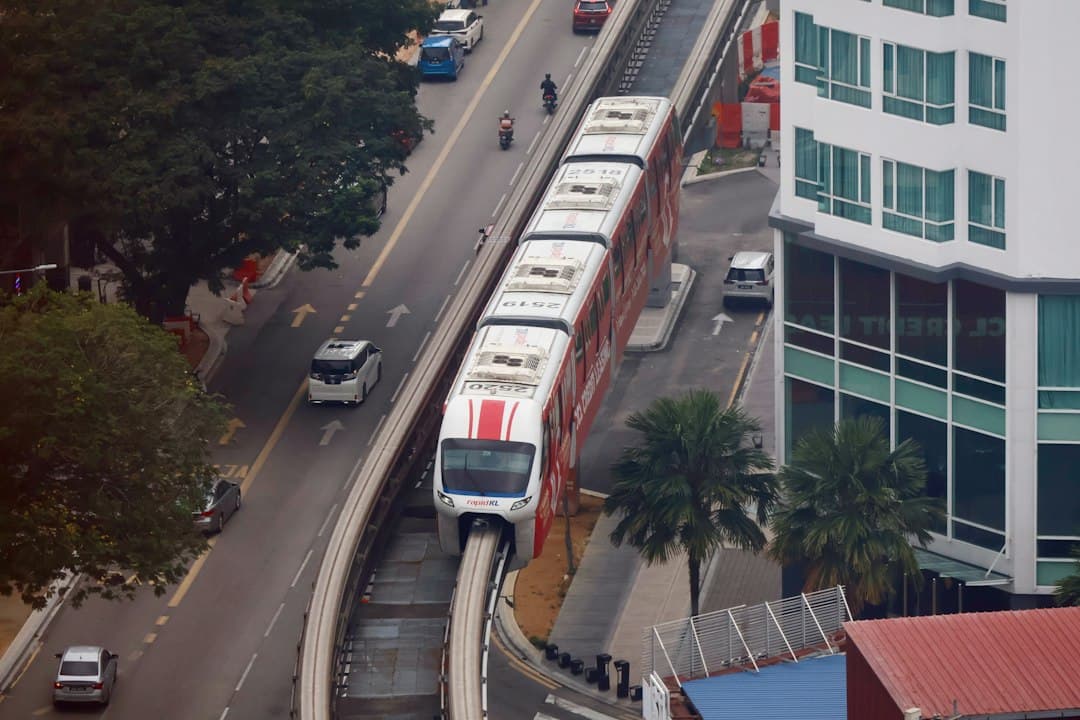
In Kuala Lumpur, you can easily do without a car: metro, buses, and Grab cover the central neighborhoods well[3]. Between peninsular cities, express buses are the simplest option[16].
Malaysia drives on the left. A foreign license alone is only valid for 90 days after arrival; with an International Driving Permit, for one year[3]. Beyond that, a resident must obtain a Malaysian license, going through the local process with a written test and a practical test[3].
Language, Integration, and Community
English is the language of business, expats, and everyday life; you don't need Malay to integrate well[2].
Pitfalls, Scams, and Watch-Outs
- 90-day tourist exemption: remote work for foreigners is tolerated, but nothing formally authorizes it[17]. Don't confuse it with the right to work.
- The DE Rantau does not cover activity in the Malaysian market: invoicing local clients requires a company and an appropriate work pass[3].
- Visa and tax residence are two different things: beyond 183 days, you generally become a tax resident, visa or not[2]. Below about 182 days, Malaysian-source income is taxed at a flat rate, with no deductions[3]; sources differ by a day, so check the threshold with LHDN.
- Bank account: without a valid long-stay pass, opening a standard account is in practice impossible[5].
- Housing: an unstamped lease is not legally enforceable[6].
- Internet: ask for a speed test of the exact unit before paying a deposit[15].
- Health: a foreigner without insurance pays the full cost of care, and private-sector prices are not regulated[4].
Steps, in Order
- Check your eligibility (annual income of US$24,000, supporting documents, profile) on the MDEC DE Rantau portal[2].
- Prepare a passport valid for more than 14 months and your contracts, invoices, or employment contract[11], along with health insurance.
- Submit the application online; the pass is issued by Immigration[1].
- Complete the MDAC within 3 days before arrival[8].
- On arrival: a local SIM card with your passport[3], a furnished rental for the first month[3], then a bank account once you have your pass, if the bank accepts it (check before you travel)[5].
- Sign a 12-month lease[6], track your days of presence against the tax threshold[2], and plan ahead for the 24-month mark[10].
These benchmarks help you check your eligibility and prepare your departure. They do not replace the detail of each procedure, file by file, nor a budget set out item by item, nor the choice of a city or neighborhood. To really settle in, these are the points where you need to go further.
Frequently Asked Questions
Can you work remotely on the 90-day tourist exemption?
Remote work for a foreign employer is tolerated, but nothing formally authorizes it[17]. To stay longer, see the section on the DE Rantau.
What can you do after the 24 months of the DE Rantau?
Two paths are mentioned: the Malaysian Tech Entrepreneur Programme (five-year Residential Pass) or Malaysia Digital status with company registration[10].
Sources
- 1.^ abcderai.malaysia.gov.my — MyGovernment Portal for Non-Citizen: "The DE Rantau Nomad Pass allows qualified foreign digital nomads to work remotely from Malaysia for up to 12 months, with the possibility of renewing for an additional 12 months." ; "The type of pass issued is the Professional Visit Pass from the Malaysian Immigration Department." https://rai.malaysia.gov.my/digital-services/apply---de-rantau-nomad-pass (accessed October 19, 2026)
- 2.^ abcdefghijklmxn--lexpatri-i1a.fr — Remote work in Malaysia: visa, taxes, connectivity: "Official fees: RM 1,000 (about €200) for the holder, RM 500 per dependent. Extension of 12 months possible. Income earned outside Malaysia: tax-exempt until 2036." ; "Working for an employer or clients based outside Malaysia; income of at least US$24,000 per year, about US$2,000 per month." ; "Spending more than 183 days in the country in a year generally makes you a tax resident there, visa or no visa." https://xn--lexpatri-i1a.fr/destinations/malaisie/teletravail (accessed October 19, 2026)
- 3.^ abcdefghijklmnbonjourmalaisie.com — Moving to Malaysia: the complete guide | Bonjour Malaisie: "English is the working language in most companies and administrations." ; "DE Rantau holders may work remotely for foreign clients, but may not engage in business on the Malaysian market." ; "If your plan is to invoice local clients, you need to set up a company and obtain an appropriate work pass." https://www.bonjourmalaisie.com/fr/blog/s-expatrier-en-malaisie-guide/ (accessed October 19, 2026)
Show 14 more sourcesShow less
- 4.^ abcdebonjourmalaisie.com — Malaysia's healthcare system in 2026: hospitals, costs and: "In practice, a foreigner can be treated in the public system, but will pay the higher non-resident rate, without benefiting from the subsidy." ; "Malaysia has more than 200 private hospitals, around twenty of them in Kuala Lumpur and Greater KL." ; "The trap is the absence of regulated pricing for foreigners in the private sector: each hospital sets its own prices, and a complication can drive the bill up very quickly." https://www.bonjourmalaisie.com/fr/blog/systeme-sante-malaisie-expatries/ (accessed October 19, 2026)
- 5.^ abcdebonjourmalaisie.com — Opening a bank account in Malaysia: the complete guide for expats (2026): "If you are in Malaysia on a social visit or tourist visa, forget about a standard bank account: almost all banks require a valid long-stay pass." ; "You need a passport valid for at least 6 months, a long-term residence permit (EP, DP, MM2H, Student Pass, RP-T…), proof of address in Malaysia, proof of income and, often, an initial deposit of RM 500 to RM 1,000." ; "If you are staying in Malaysia and looking for the best balance of service, network and fees, a local bank (Maybank, CIMB, Public Bank) is almost always the right choice." https://www.bonjourmalaisie.com/fr/blog/ouvrir-compte-bancaire-malaisie/ (accessed October 19, 2026)
- 6.^ abcdefbonjourmalaisie.com — Renting accommodation in Malaysia: the complete guide for expats (2026): "There is no minimum price for a foreign tenant, whereas purchasing is subject to thresholds often set around one million ringgit depending on the state." ; "The lease must be stamped to be legally enforceable; this is almost always handled by the agent." ; "A 12-month lease is the norm; it offers flexibility." https://www.bonjourmalaisie.com/fr/blog/louer-logement-malaisie/ (accessed October 19, 2026)
- 7.^ abaltermonde-sans-frontiere.com — Malaysia: the complete digital nomad guide - Altermonde: "French nationals benefit from a visa exemption for stays of up to 90 days." https://www.altermonde-sans-frontiere.com/asie/malaisie/ (accessed October 19, 2026)
- 8.^ abcrai.malaysia.gov.my — MyGovernment Portal for Non-Citizen: "From January 1, 2024, most foreign travelers arriving in Malaysia must complete the MDAC within the 3 days before arriving in the country." https://rai.malaysia.gov.my/digital-services?category=Enter (accessed October 19, 2026)
- 9.^Mira Knowledge — Malaysia is presented as a destination for digital nomads. Verified: official source mdec.my. https://www.mdec.my/md-programmes/digital-nomad-pass
- 10.^ abcdefdigital.gov.my — Announcements | Ministry of Digital: “The DE Rantau programme was created under the auspices of the Malaysia Digital Economy Corporation (MDEC) to make Malaysia the destination of choice for digital nomads in Southeast Asia, while boosting digital adoption and promoting digital professional mobility and tourism in the country.”; “Digital nomads, founders, CEOs, COOs, tax accountants, lawyers, technical writers, business development managers, public relations professionals and other related positions, whether freelance or remote workers, can now apply for the DE Rantau Nomad Pass.”; “In addition, nomadlist.com, a leading community platform for digital nomads, ranked Malaysia as the most-loved country by digital nomads in December 2023.” https://www.digital.gov.my/en-GB/siaran/DE-Rantau-Nomad-Pass-eligibility-expanded (accessed October 19, 2026)
- 11.^ abcdefgvisitworld.today — Visit World - : “The passport must be valid for more than 14 months at the time of application (for both the main applicant and dependents).”; “The main applicant has the right to bring family members (close relatives only) who may apply for a digital nomad visa as a dependent: spouse or civil partner; children under 18; disabled child (no age limit).”; “If you are a digital nomad, the documents you need are your contracts, purchase orders or invoices with your clients, which clearly state the duration and value of the contract.” https://visitworld.today/fr/malaysia/morocco-citizenship/digital-nomads (accessed October 19, 2026)
- 12.^ abcdefghijklcitiesinsider.com — Settling in Malaysia: Complete Immigration and Living Guide 2025 - Cities Insider: “Register with the LHDN (Inland Revenue Board) and file via the MyTax portal before April 30.”; “Tax residency requires 182 days or more per calendar year. Residents: progressive rates from 0 to 30%. Non-residents (fewer than 182 days): a flat rate of 30%.”; “A two-tier system: subsidized public healthcare (citizens only) and private healthcare. Expats typically use private hospitals or international health insurance. Leading hospitals: Gleneagles, Prince Court, Sunway Medical.” https://citiesinsider.com/country/malaysia/fr (accessed October 19, 2026)
- 13.^living-abroad.org — Digital Nomad Taxes by Country (2026): “Taxes are the topic with the most serious consequences we cover: confirm with a tax specialist in international mobility before acting.” https://www.living-abroad.org/fr/impots/ (accessed October 19, 2026)
- 14.^ abledigitalnomad.com — Cost of Living in Malaysia in 2026: The Real Breakdown: “Cards are accepted almost everywhere in Kuala Lumpur and Penang, and QR code payments (Touch 'n Go, GrabPay) have become the norm, even at street food stalls: the Touch 'n Go app accepts foreign cards.”; “For a single person with a comfortable lifestyle, expect around €950 per month: furnished monthly rental, food, transport, internet and health insurance included.”; “Furnished condo studio with pool, Kuala Lumpur: MYR 1,800 to 2,800 (€375 to €580).” https://ledigitalnomad.com/voyages/malaisie/cout-de-la-vie/ (accessed October 19, 2026)
- 15.^ abcdnomadinternet.netlify.app — Malaysia Internet Guide for Digital Nomads | Nomad Internet: “Coverage depends on the tower; ask for speed tests at the exact unit before signing.”; “Identify a coworking space with day-pass access near your accommodation.”; “Keep a backup plan during monsoon season for power or internet outages.” https://nomadinternet.netlify.app/fr/malaysia/ (accessed October 19, 2026)
- 16.^malaysia-esim.net — Getting Around Malaysia: Train, Plane, Bus and Grab | Malaysia eSIM: “Express buses connect virtually every city and town on the peninsula, and long-distance coaches are generally spacious and air-conditioned.”; “In Kuala Lumpur, the modern Terminal Bersepadu Selatan (TBS) is the main hub for southbound services and many long-distance routes, with integrated rail access.”; “The catch is that Grab is useless without an active data connection.” https://www.malaysia-esim.net/fr/guide/getting-around-malaysia (accessed October 19, 2026)
- 17.^ abledigitalnomad.com — Malaysia Visa: Requirements, Duration and Process (2026): “On a tourist exemption, working remotely for a foreign employer is tolerated; Malaysia does not run targeted checks, but nothing formally authorizes it.” https://ledigitalnomad.com/visas/malaisie/ (accessed October 19, 2026)