Since 2024, Japan has offered a status designed specifically for digital nomads: six months of stay, subject to strict conditions on income, insurance, and nationality. This article explains how the status works, which pitfalls to avoid, how to organize your stay without a residence card, and which options exist if you want to stay longer.
The Essentials at a Glance
- The “Designated Activities (Digital Nomad)” status lets you stay for six months, one time only: no extension and no renewal[1].
- You must prove an annual income of at least 10 million yen and hold private health insurance covering 10 million yen in medical care[2].
- You are not allowed to work under a contract with a Japanese organization, whether public or private[3].
- This status does not entitle you to a residence card or to public health insurance[4].
- Applications are submitted to the Japanese embassy or consulate, with a landing permission issued upon arrival[5].
- To reapply for the status, you must have spent six consecutive months outside Japan[1].
- For a stay of a few months, monthly furnished rentals, share houses, and serviced apartments are the realistic housing options[2].
- The cost of living varies widely: Tokyo is the most expensive city, while Osaka and Fukuoka are more affordable[6].
Digital Nomad Visa: Requirements and How It Works
Open since March 31, 2024, Japan’s digital nomad pathway is technically a “Designated Activities” residence status rather than a standard visa category[1]. It is intended for remote workers earning at least 10 million yen per year from employers or clients located outside Japan[1].
Nationality
You must be a citizen of a country or region that is both covered by the short-stay visa exemption and linked to Japan by a tax treaty[3]. The list is published by the Immigration Services Agency; check it before taking any step, as it changes over time[7].
Income and Type of Work
Employees and freelancers are both eligible: a freelancer’s income is assessed on profit after deducting expenses, and several stable income sources can be combined[1]. Remote work must be performed for an organization or clients based outside Japan[7].
Duration and Reapplication
You receive a single six-month period: no extension, no renewal, and no more than six months under this status within any one-year span[1]. Once you have reached the maximum duration, you must wait six months before applying again for the same status[3].
Insurance
Private medical insurance is an explicit requirement. It must cover the entire planned length of stay, including death, injury, and illness occurring in Japan, with medical care coverage of at least 10 million yen[1].
A Pathway Without a Residence Card
No residence card is issued, and there is no pathway to permanent residence or citizenship[1]. This has concrete consequences for your address, your bank account, and your health insurance, detailed below.

Tourist Stays and Other Options: What Is Tolerated and What Is Not
The Temporary Visitor exemption is intended for tourism or business. Remote work for a foreign employer or client is often tolerated in practice for short periods, but it is not explicitly authorized under this status and may carry risks[8]. The digital nomad status remains the dedicated pathway for structured remote work[8].
At the border, carrying a work laptop and staying for 90 days can prompt questions[9]. Repeated short stays carry a risk of entry refusal[10]. If you already work remotely and are considering changing your approach, the safest course is to confirm your situation with the Immigration Services Agency before you begin[11].
The Working Holiday visa, open only to eligible young people, allows a maximum stay of 12 months[12]. To stay longer than six months, you need a different residence status, which is something to discuss with immigration[11].
Documents and Application Process
You can apply at a Japanese embassy or consulate, or with a Certificate of Eligibility (COE) issued by a regional immigration bureau; landing permission is granted on arrival[5]. The file has three components: a description of the planned activities and length of stay, proof of income, and proof of insurance[13]. Authorities may request other documents: the exact list should be confirmed with the consulate or immigration bureau[3].
Spouse and Children
A spouse or child may accompany the holder under a dedicated category, also for six months and without extension, with their own insurance and proof of family relationship[14].
Status for Working: Foreign Employee, Self-Employed, or Employment in Japan
An employee of a foreign company or a freelancer whose clients are abroad is eligible for the Digital Nomad Visa[1]. However, under this status, you are not permitted to work under an employment contract with a Japanese organization, whether public or private[3].
Working in Japan as a foreigner generally requires a work visa sponsored by an employer[15]. The Digital Nomad Visa cannot be converted into another status[15]. If your plan is to work for a Japanese employer or clients, this is therefore not the right status[1].
Taxation and Tax Residence
Your visa and your tax residence are two separate matters. Pay for remote work performed from Japan may be exempt from Japanese income tax when the conditions of the applicable tax treaty are met, most often a stay of 183 days or fewer in the tax year or in a 12-month period, depending on the treaty[1].
This exemption is not automatic: the day count generally includes other stays in Japan within the period set by the treaty, and the exemption fails if an employer resident in Japan pays your salary[1]. Results depend on your personal situation and the specific treaty, which is why professional advice is recommended before relying on an exemption[1].
For a longer stay under another status, the tax picture changes: income tax is progressive and, during the first five years, only Japan-source income and foreign income brought into Japan are taxed, before taxation on worldwide income begins[15]. Have your situation reviewed by a professional.
Health and Insurance
Residents of Japan, foreigners included, are enrolled in public health insurance (employee scheme or National Health Insurance), with a co-payment generally around 30%[15]. Holders of the Digital Nomad Visa are eligible neither for National Health Insurance nor for the employee scheme, because the visa limits the stay to six months without renewal: private insurance becomes a condition of the visa[4].
Purchase it before filing your application, because immigration checks your documents at the time of the decision[4]. Some premium credit cards include insurance reaching the required threshold, but the certificate must state the 10 million yen coverage in writing[4]. Be wary of contracts that advertise a high ceiling and then limit each reimbursement well below it[2].
Without National Health Insurance, there is no 30% co-payment counter: a consultation is paid at full price, and the insurer reimburses afterward[2]. Check before you leave whether your policy offers direct billing everywhere in Japan, because “pay first, get reimbursed later” can leave a large sum on your card[2].
Address and Banking Without a Residence Card
As a Digital Nomad Visa holder, you are in principle not registered as a resident of a municipality and may not receive a residence card, which complicates signing local contracts[11]. The My Number, for its part, is only issued with a certificate of residence[16].
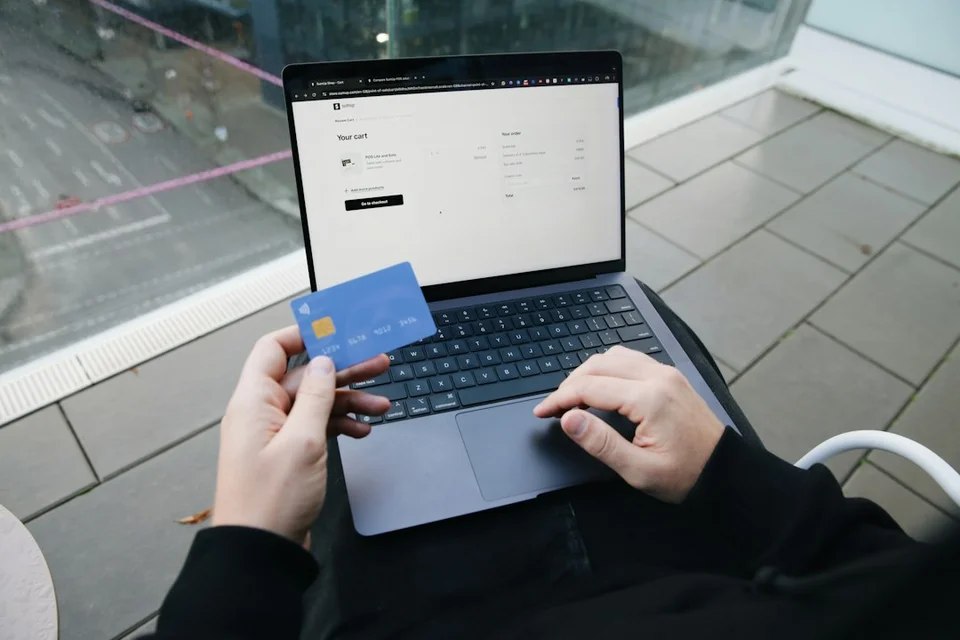
Opening a bank account often requires a residence card and proof of address[17]. For a six-month stay, the simplest option is to travel with an international credit card, which works notably at 7-Eleven and Japan Post ATMs[18][10]. Cash remains necessary, especially in smaller towns[17].
Housing
For a few months, suitable options are furnished apartments rented by the month, share houses (a private room in a shared building, often with coworking spaces, a shared kitchen and bathroom), or serviced residences[19][2].
The classic lease goes through an agency, usually lasts two years, and requires a guarantor or a guarantee company[17]. For a stay of one year or less, move-in costs amount to 3 to 4 months of rent paid in advance, and without a residence card this type of lease is out of reach anyway[9][2].
Furnished monthly rentals cost more per month than a classic lease, but they don't require any paperwork you don't have[2]. Their price often drops after two or three months of stay[9].
Cost of Living
Tokyo is the most expensive city; Fukuoka and Osaka are 20% to 30% cheaper[6]. For Japan in general, plan for roughly €1,500 to €2,000 per month on a budget and €2,500 to €3,500 for a comfortable lifestyle[6]. The relatively weak yen of recent years has made the country more accessible to those who earn in foreign currency[15].
Internet
The national average speed is about 42 Mbps, but coworking spaces and recent buildings reach much higher fiber speeds[6]. To stay connected everywhere, including while traveling or in the countryside, an eSIM or a pocket Wi-Fi rented at the airport is enough[6][19].

Cities and Regions
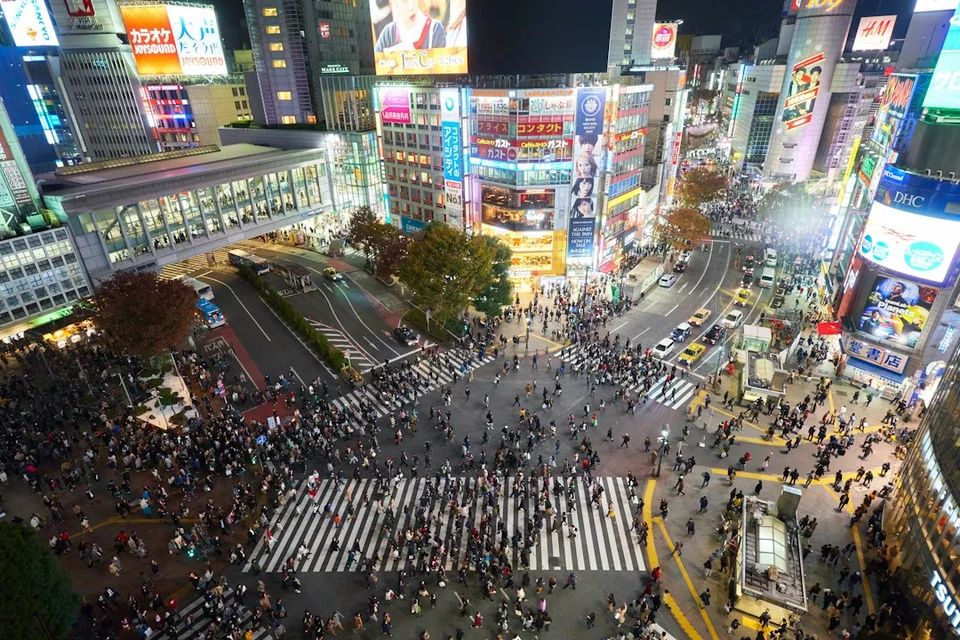
- Tokyo: dynamic, with an immense choice of coworking spaces, but an expensive city[6].
- Osaka: exceptional food scene and more reasonable prices than Tokyo[6]; a more socially accessible atmosphere[9].
- Fukuoka: moderate cost of living and a startup ecosystem supported by the city[6].
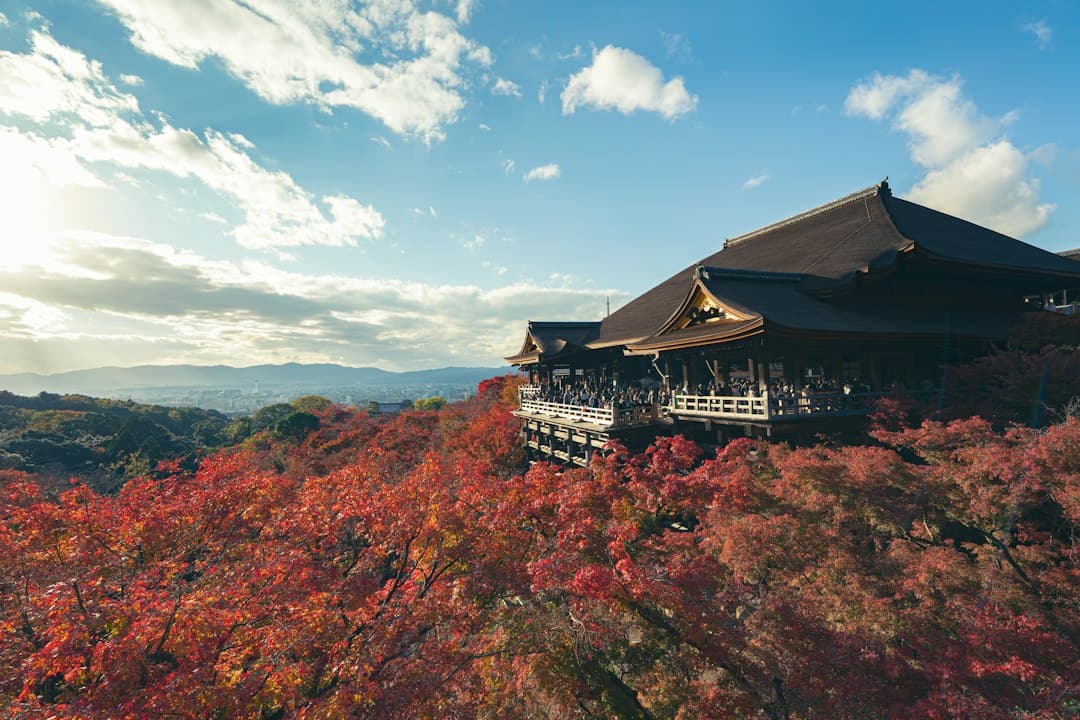
- Kyoto: a setting of temples and nature, with an active international community[6].
Living in a more rural region costs less for housing and can make deeper connections with nature and community easier[19].
Transportation
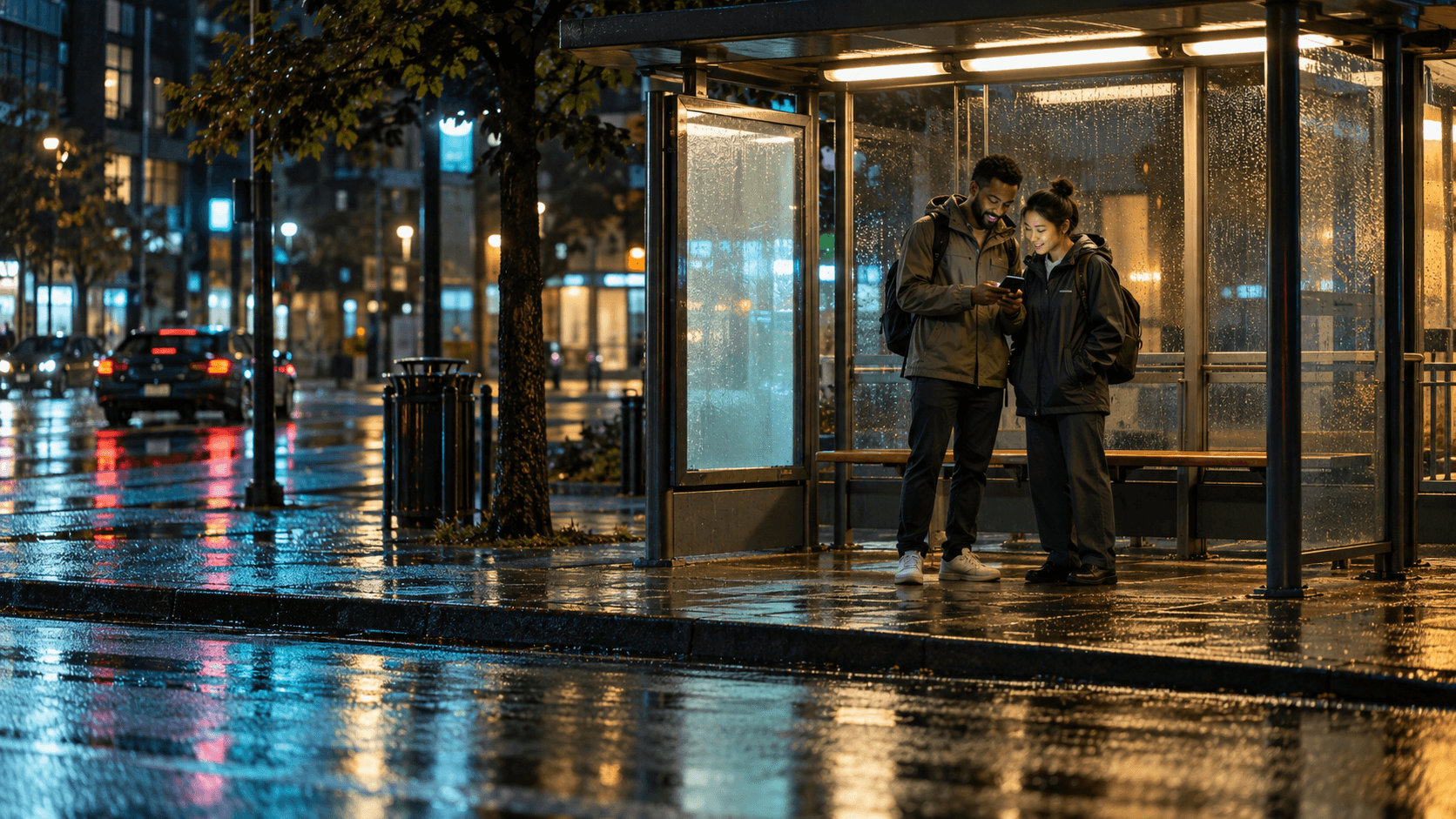
In Japan, you drive on the left, and all expressways are toll roads[20]. Only certain foreign licenses are accepted, and only with an official Japanese translation: check what applies to yours before renting a car[20]. For tight budgets, long-distance buses and overnight buses connect the major cities[20].
For tight budgets, long-distance buses and overnight buses connect some cities[20].
Language, Integration and Community
It is possible to live in Japan without speaking Japanese, but a few key phrases enrich your interactions, especially outside tourist areas[19]. Making Japanese friends takes more effort than elsewhere; the international coworking community, expat meetups and sports or activity clubs are the main entry points[10]. Many foreign residents say they still feel treated as gaijin even after years[21].
Pitfalls, Scams and Points of Caution
- No contract with a Japanese organization: as long as you hold this status, you cannot work for a Japanese company or individual, under an employment contract or as a freelancer[2]. Finding a client locally puts you in violation[2].
- Six months, only once: no extension, and six months outside Japan before you can apply for the status again[1].
- Insurance: the certificate must state the 10 million yen coverage in writing[4]; also check direct billing, otherwise you pay the full price up front[2].
- Without a residence card: no classic lease, and opening a bank account is harder[2][10].
- Remote work on a tourist stay: it is not provided for by the regulations, and repeated short stays expose you to entry refusal[9][10].
- Tax exemption under tax treaties: it is not automatic; the day count and your employer's situation matter[1].
- Country lists, thresholds and fees change: check with the Japanese Ministry of Foreign Affairs or the Embassy of Japan before any procedure[7].
Steps, in Order
- Check your nationality on the official immigration list and your income (at least 10 million yen per year)[3][1].
- Take out the required insurance before you file your application[4].
- Assemble your file: planned activities, proof of income and insurance, and consider a COE[13].
- File your application with the Japanese embassy or consulate, then obtain landing permission on arrival[5].
- Book a furnished monthly rental for the first few weeks and plan for an eSIM or a pocket Wi-Fi[2][6].
- Have your tax situation reviewed before you leave[1]; if you want to stay beyond six months, look into another residence status by checking with immigration[11].
These benchmarks help you check whether the status suits you and prepare your departure. They do not replace the details of each step, from the consular file to insurance, nor a budget set out item by item, nor the choice of a city and neighborhood. To settle in for real, these are the points you need to go further on.
Frequently Asked Questions
Can I extend or convert the digital nomad visa?
No: neither extension nor renewal[1], and the status cannot be converted into another status[15]. To stay, you need to obtain a different residence status.
Does time spent under this status count toward permanent residence?
No. Time spent under this status does not count toward permanent residence, and there is no planned route to a longer-term status[2].
Can my spouse and children come with me?
Yes, under the dedicated six-month status, with insurance and proof of family relationship[14].
Also Worth Reading
To compare with a European destination, read our article on working remotely from Italy: procedures, taxes, and choosing where to live.
Sources
- 1.^ abcdefghijklmnopqrliving-abroad.org — Japan Digital Nomad Visa: Requirements and Application (2026): "You get a single six-month block: no extension, no renewal, and no more than six months under this status in any one-year period."; "Japan's digital nomad route, open since March 31, 2024, is technically a Designated Activities residence status (notification no. 53) rather than a standard visa category. It is aimed at remote workers earning at least 10,000,000 JPY per year, roughly 54,000 EUR, from employers or clients located outside Japan."; "Both employees and freelancers are eligible; for self-employed people, income is assessed on profit after deducting expenses, and you can combine several stable income sources." https://www.living-abroad.org/fr/pays/japon/visa-nomade-numerique/ (accessed October 19, 2026)
- 2.^ abcdefghijklmnexpatden.com — Japan Digital Nomad Visa: Requirements and Eligible Profiles: "Japan's digital nomad visa gives you six months, once. You must show 10 million ¥ in annual income, private health insurance covering 10 million ¥ in medical care, and a passport from one of the 51 eligible countries."; "Many nomad insurance policies advertise a sky-high ceiling, then cap each reimbursement well below it, and a certificate that mentions full medical coverage without any figure gives the consulate nothing to verify."; "Without the national health insurance, there is no counter where you pay 30% at the clinic: a consultation is paid in full, in cash, and your insurer reimburses you afterward, at its own pace. Check before you leave whether your policy offers direct billing anywhere in Japan." https://www.expatden.com/fr/japan/visa-nomade-numerique-japon-guide/ (accessed October 19, 2026)
- 3.^ abcdefmoj.go.jp — Status of Residence of "Designated Activities" (for Digital Nomad / Spouse or child of Digital Nomad) | Immigration Services Agency of Japan: "Under this residence status, it is not permitted to work on the basis of an employment contract, etc. with a Japanese organization, public or private."; "The applicant must be a national of one of the countries or regions listed in this table (PDF), which fall under visa exemption arrangements (Temporary Visitor) and are also covered by Japan's tax treaties."; "After exceeding the maximum period of stay (six months) under this residence status, the applicant must wait six months before reapplying for the same status." https://www.moj.go.jp/isa/applications/status/designatedactivities53_00001.html?hl=ja&lang=fr (accessed October 19, 2026)
Show 18 more sourcesShow less
- 4.^ abcdefexpatden.com — Health Insurance in Japan: The 2026 Expat Guide: "You are entitled neither to NHI nor to EHI, because the visa limits your stay to six months without renewal."; "Take it out before you file your application, since immigration checks your documents when deciding on the visa, not after your arrival."; "Some premium credit cards include travel insurance that meets the required threshold, but check that the certificate states the 10 million yen in writing before relying on it." https://www.expatden.com/fr/japan/assurance-sante-au-japon/ (accessed October 19, 2026)
- 5.^ abcMira Knowledge — Applications are filed with Japanese embassies or consulates, or with a COE from a regional immigration bureau; landing permission is granted on arrival; fees vary and processing takes about 5 business days or more. Verified on 06/09/2026: official source mofa.go.jp. https://www.mofa.go.jp (accessed June 9, 2026)
- 6.^ abcdefghijexpanomad.com — Digital Nomad in Japan for French Citizens: Visa, Budget and Tips | ExpaNomad: “We recommend an eSIM or a Pocket WiFi (rentals available at the airport, €5-8 per day) for a constant connection.”; “Tokyo is the most expensive city. Fukuoka and Osaka are 20 to 30% cheaper.”; “Plan for €1,500 to €2,000 per month on a budget (guesthouse, konbini, wifi cafés), €2,500 to €3,500 for a comfortable lifestyle (furnished apartment, coworking membership, restaurants).” https://expanomad.com/fr/guides/digital-nomad/japan (accessed October 19, 2026)
- 7.^ abcMira Knowledge — The list of countries and details should be confirmed on the immigration table; always check mofa.go.jp, moj.go.jp and the Japanese mission before taking any steps, as thresholds, lists, COEs and fees change. Verified on 06/09/2026: official source mofa.go.jp. (accessed June 9, 2026)
- 8.^ abMira Knowledge — The Temporary Visitor exemption status is intended for tourism or business; remote work for an employer or client abroad is often tolerated in practice for short periods, but it is not explicitly authorized and can carry risks; the Digital Nomad status is the dedicated route for structured remote work. Verified on 06/09/2026: official source mofa.go.jp. https://www.mofa.go.jp (accessed June 9, 2026)
- 9.^ abcdeledigitalnomad.com — Osaka for Nomads: Where to Live and How Much to Budget (2026): “Under the tourist exemption, remote work is not provided for by the rules; tolerance exists, but at the border a work computer and a 90-day stay trigger questions.”; “Underestimating the entry costs of the classic route: agency fee + deposit + reikin + insurance = 3 to 4 months of rent in advance.”; “The lever is duration: monthly mansions drop their prices from 2 to 3 months onward.” https://ledigitalnomad.com/s-expatrier/osaka/ (accessed October 19, 2026)
- 10.^ abcdejapan-atlas.com — Digital Nomad Guide to Japan: Visas | Japan Atlas: “Legally it is a gray area and carries some risk of entry refusal during repeated short stays.”; “Japanese bank accounts are difficult to open without a certificate of residence (juminhyo), which requires a registered residence. For stays under six months, international debit and credit cards work at 7-Eleven and Japan Post ATMs.”; “Making Japanese friends takes more effort than in some other countries, and the language barrier, though manageable, means informal social connection requires more work. The international coworking community, English-speaking expat meetups, and sports or activity clubs (running clubs, hiking groups) are the main routes to social connection.” https://www.japan-atlas.com/fr/blog/nomade-numerique-japon/ (accessed October 19, 2026)
- 11.^ abcdgetconnectedjapan.com — Working Remotely from Japan for an Overseas Employer: Visa and Admin Basics | Get Connected Japan: “Rather than assuming, I suggest confirming with the Immigration Services Agency before you start, or before you change how you work.”; “If your plan is to settle here over the longer term, you will generally need to aim for a different residence status, and that is a conversation to have early with the Immigration Services Agency.”; “People under this status are generally not registered as residents of a municipality and may not receive a residence card, which affects everyday things like signing local contracts; check what applies in your case.” https://getconnectedjapan.com/en/guide/working-remotely-for-an-overseas-employer-from-japan (accessed October 19, 2026)
- 12.^Mira Knowledge — The Japan working holiday visa has a maximum duration of 12 months. Verified: official source service-public.gouv.fr. https://www.service-public.gouv.fr/particuliers/vosdroits/F16162
- 13.^ abMira Knowledge — The application file includes the application form with photo, the passport, the COE if presented (it waives certain documents), a document on the planned activities and length of stay, proof of an annual income of at least 10 million yen, and proof of insurance with medical coverage of at least 10 million yen. Verified on 06/09/2026: official source mofa.go.jp. https://www.mofa.go.jp (accessed June 9, 2026)
- 14.^ abMira Knowledge — A spouse or child may accompany under the dedicated category, for 6 months without extension, with insurance covering 10 million yen in medical expenses, a document on the activities and duration, proof of family relationship, and a copy of the main applicant's passport. Verified on 06/09/2026: official source mofa.go.jp. https://www.mofa.go.jp/ca/fna/pagewe_000001_00046.html (accessed June 9, 2026)
- 15.^ abcdefapp.expatriation.io — Living and Working in Japan: Visas, Salaries, Culture (2026) · EXPATRIATION.IO: “Working in Japan as a foreigner generally requires a work visa sponsored by an employer.”; “It does not grant a residence card and cannot be converted into another status. It is therefore a temporary stay, not a route to settling.”; “During the first five years (non-permanent resident status), only Japan-source income and foreign income remitted to Japan are taxed. Beyond that, taxation covers worldwide income.” https://app.expatriation.io/fr/culture/countries/japan (accessed October 19, 2026)
- 16.^isi-education.com — How to Start Your New Life in Japan Under the Best Possible Conditions? ! | ISI Japanese Language School [Official]: “As a general rule, you must register your address at your city hall within 14 days of arriving in Japan.” ; “When you arrive in Japan and establish your residence certificate for the first time, you will be assigned a 12-digit My Number.” https://www.isi-education.com/fr/discover-japan/20220530/ (accessed October 19, 2026)
- 17.^ abcexpat.com — Expat Guide to Japan: What You Need to Know for Your Move - Expat.com: “Bring your passport, your residence card (Zairyu card), and proof of address.” ; “Although credit cards are widely used in urban areas, it is important to have cash on hand, especially in smaller towns.” ; “Lease agreements are most often handled by a real estate agency (fudōsan gaisha), which acts as the link between the tenant and the landlord. The standard lease term is usually two years.” https://www.expat.com/fr/guide/asie/japon/ (accessed October 19, 2026)
- 18.^ssp.jst.go.jp — Scholarships | Sakura Science Club: “Yes, it is possible, but requirements vary depending on the bank.” ; “It is strongly recommended that you obtain an international credit card before coming to Japan.” https://ssp.jst.go.jp/sns/abroad/faq.html (accessed October 19, 2026)
- 19.^ abcdjapan.travel — Japan Travel Planning | Travel Japan (Japan National Tourism Organization): “House shares can be a more affordable option in major cities, with private rooms inside large shared buildings. These arrangements often include shared living spaces, coworking areas, kitchens, and bathrooms.” ; “In more rural areas, renting a pocket Wi-Fi is a convenient way to stay connected to the internet anywhere in Japan. These devices are also useful for working on the go, for example on long-distance trains.” ; “Settling in a big city may seem easier, but living in a more rural region of Japan is often far more rewarding, as it can be simpler to build deeper connections with nature and the community.” https://www.japan.travel/en/plan/digital-nomad-visa/ (accessed October 19, 2026)
- 20.^ abcdjapan.travel — Getting Around by Car and Bus | Travel Japan | JNTO: “In Japan, you drive on the left, and all expressways are toll roads.” ; “Driver’s licenses issued in France, Monaco, Switzerland, Belgium, Germany, Slovenia, Estonia, and Taiwan are valid when accompanied by a Japanese translation. This translation can be obtained through the JAF (Japan Automobile Federation).” ; “These agencies offer not only car rentals, but can also handle the procedures for translating your driver’s license.” https://www.japan.travel/fr/fr/plan/driving-japan/ (accessed October 19, 2026)
- 21.^cyriljarnias.com — Living in Japan: Budget, Quality of Life, and Tips from French Expats: “Many foreign residents find that they continue to be perceived as gaijin, even after years.” https://www.cyriljarnias.com/immobilier-international/investir-immobilier-japon/vivre-au-japon-budget-qualite-de-vie-expatries-francais/ (accessed October 19, 2026)