When you connect several flights in the United States, a single delay can throw off your entire itinerary. This article shows you how to read official on-time statistics, prepare an alternative before you leave, and keep a backup plan. It also covers entry requirements and the ESTA pitfalls, which can block a trip far more decisively than a delay.
Why buffer time matters on a US itinerary
The United States tracks flight punctuality closely. The Bureau of Transportation Statistics (BTS), part of the U.S. Department of Transportation, monitors the on-time performance of domestic flights operated by major airlines[1]. Its figures distinguish flights that arrive on time, are delayed, canceled, or diverted[1].
These statistics are published every month in the Air Travel Consumer Report, about 30 days after the end of the month[1]. They describe the recent past: they don't predict your flight, but they show which airports and airlines are most exposed to disruption.
A disruption can also be nationwide. On November 13, the Federal Aviation Administration (FAA), the U.S. civil aviation authority, temporarily halted all departures across the country due to a failure of air traffic control communication systems[2].
Aircraft already in the air could continue to their destination and land, and international flights bound for the United States were handled case by case[2]. The result: many delays and cancellations, which could also affect routes between France and the United States[2].

Reading on-time figures before you choose a flight
BTS data can be searched online, airport by airport. It covers major hubs including Dallas/Fort Worth, Denver, Los Angeles, Miami, Seattle/Tacoma, as well as the three New York-area airports: JFK, LaGuardia, and Newark[1]. BTS also publishes the causes of delays, which it has collected since June 2003[1].
So, before booking a connection, check the figures for the airport where you change planes: that is where a delay costs your itinerary the most.
Identifying another route before you leave
An alternative is prepared before departure, not at the airport. Several major metropolitan areas are served by multiple airports tracked by the BTS: New York (JFK, LaGuardia, Newark) and Washington (Ronald Reagan Washington National, Washington Dulles)[1]. For your route, identify the nearby airport that could serve as a backup.
Keeping a backup plan
During the November outage, French authorities gave three simple pieces of advice, which apply to any disruption:
- Check your flight status regularly with the airline before you head to the airport[2].
- Contact the airline to learn your options for rebooking or rerouting in case of cancellation[2].
- Follow updates from U.S. authorities, including on the FAA website and its X account[2].
Entry requirements and insurance: what can block an itinerary
A delay can be made up for; a denied entry is much harder to recover from. The conditions below are those described by the Belgian administration for its nationals. If you hold a different nationality, check with your own country's administration.
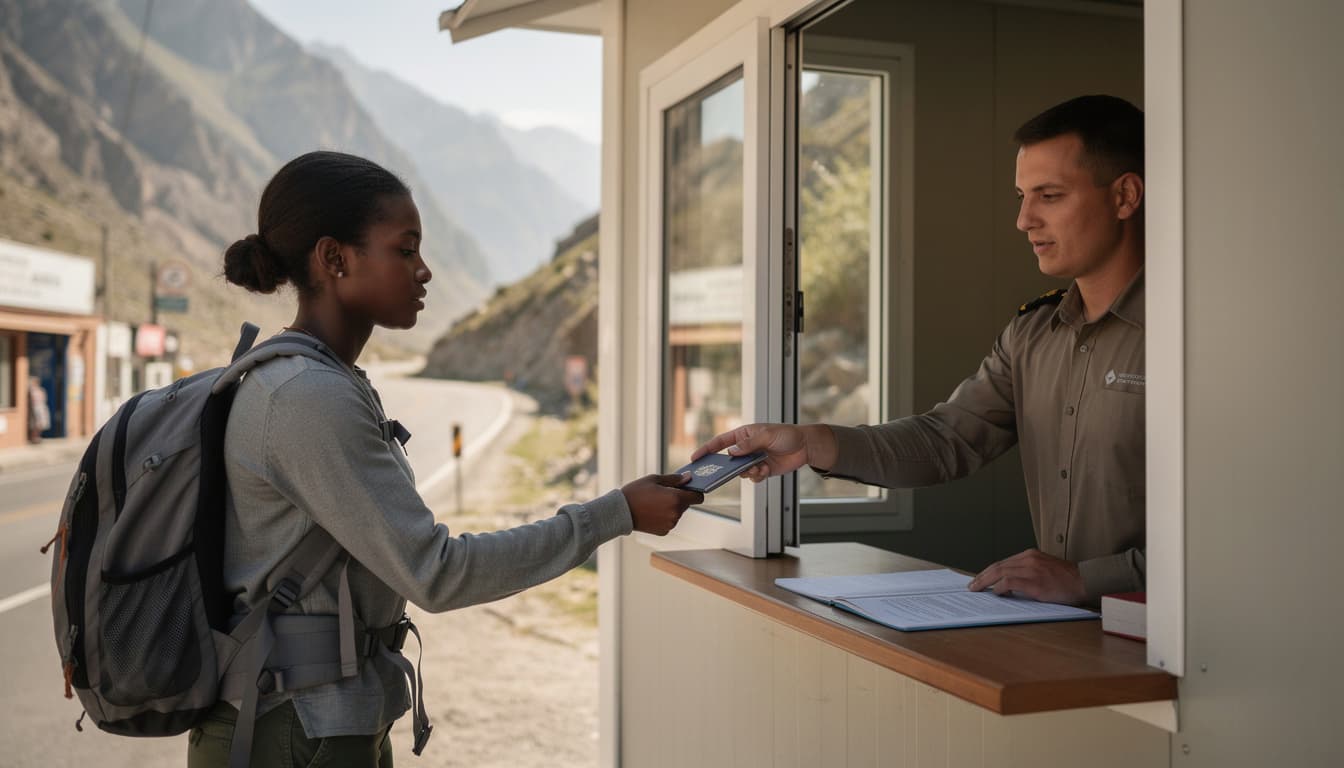
- An ESTA or a visa does not guarantee entry: the final decision rests with immigration officers at the point of arrival[3].
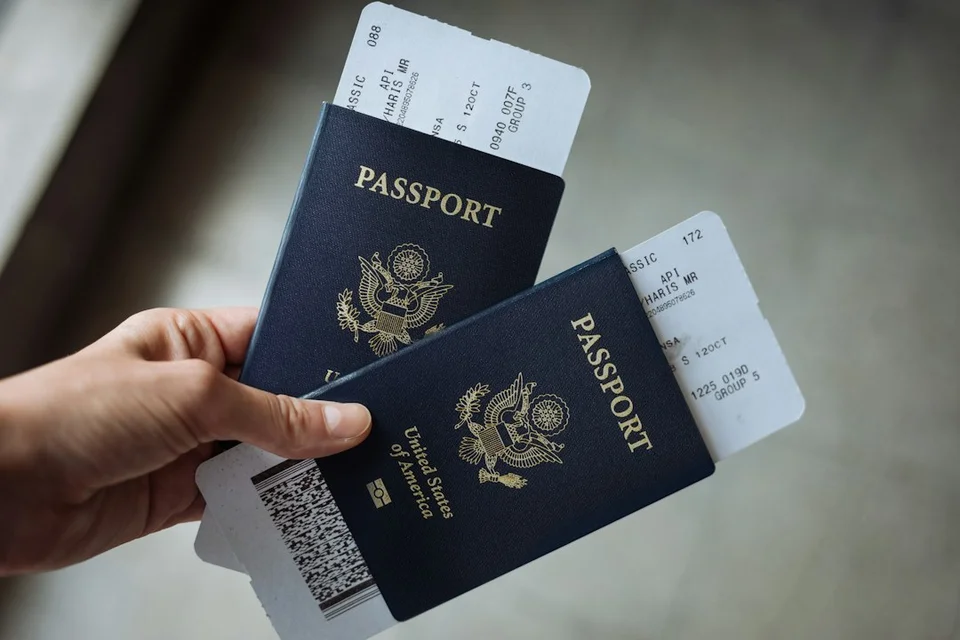
- With an ESTA, your stay cannot exceed 90 days and cannot be extended; a round-trip ticket must be presented[3].
- When transiting through the United States, you are treated as a visitor to the country: you must meet the same entry requirements[3].
On the insurance side, the Belgian administration considers travel insurance “absolutely essential,” covering legal assistance, medical care, and repatriation[3].
Pitfalls and Watch-Outs
- The ESTA does not allow any work: no volunteering, no remote digital work, no seasonal work, no training[3]. For a digital nomad, this is the decisive point: if you plan to work during your stay, you need an appropriate visa[3].
- Even a slight overstay can lead to arrest, detention, prosecution, and deportation, both on entry and on exit from the territory[3]. False statements about the purpose of your stay carry the same penalties[3].
- After initial approval, additional checks may still take place, and applicants are not always notified by email of a change in status[3]. So check your ESTA online again just before departure[3].
- Some banks require a card to be activated in advance before it can be used in the United States; otherwise, any transaction requiring a PIN, such as a cash withdrawal, will be impossible[3]. Check this before you leave.
Steps, in Order
- Before booking: check the punctuality and cancellation data for your connecting airport on the BTS website.
- Before departure: verify your entry requirements, the validity of your ESTA or visa, your insurance, and the activation of your bank card.
- When booking: identify the airport or alternative connection for each key stage.
- The day before and the day of departure: check your flight status with the airline and follow the FAA.
- If your flight is canceled: ask the airline for a rebooking or rerouting.
This article gives you the essential benchmarks for anticipating the unexpected. It does not cover refund rights or train and road options between cities, which require going further depending on your itinerary.
Sources
- 1.^ abcdeftranstats.bts.gov — BTS | OT Delay: “The Bureau of Transportation Statistics (BTS) of the U.S. Department of Transportation tracks the on-time performance of domestic flights operated by major airlines.”; “Summary figures on the number of on-time, delayed, canceled, and diverted flights appear in the DOT’s monthly Air Travel Consumer Report, published about 30 days after the end of the month, as well as in summary tables published on this site.”; “BTS began collecting details on the causes of flight delays in June 2003.” https://www.transtats.bts.gov/ot_delay/ot_delaycause1.asp (accessed November 23, 2026)
- 2.^ abcdefus.diplomatie.gouv.fr — United States – Major Air Traffic Disruptions | France in the United States: “The Federal Aviation Administration (FAA), the U.S. civil aviation authority, announced this Friday, November 13, the temporary suspension of all takeoffs within U.S. territory, due to a failure affecting air traffic control communication systems.”; “This measure does not apply to aircraft already in flight, which may continue their route and land. International flights bound for the United States are handled case by case by U.S. authorities.”; “This situation causes major air traffic disruptions, with numerous delays and cancellations, likely to also affect flights between France and the United States.” https://us.diplomatie.gouv.fr/fr/etats-unis-importantes-perturbations-du-trafic-aerien (accessed November 23, 2026)
- 3.^ abcdefghijkdiplomatie.belgium.be — Practical Information for Traveling to the United States | Belgian Federal Public Service Foreign Affairs, Foreign Trade and Development Cooperation: “Holding an ESTA document or a visa does not guarantee entry into the territory: the final and sovereign decision rests with the immigration services at the point of arrival.”; “The stay may not exceed 90 days and cannot be extended. A round-trip ticket must be presented.”; “In the event of airport transit through the United States, travelers are treated the same way as people visiting the United States.” https://diplomatie.belgium.be/fr/pays/etats-unis/voyager-aux-etats-unis-conseils-aux-voyageurs/informations-pratiques-pour-voyager-aux-etats-unis (accessed November 23, 2026)