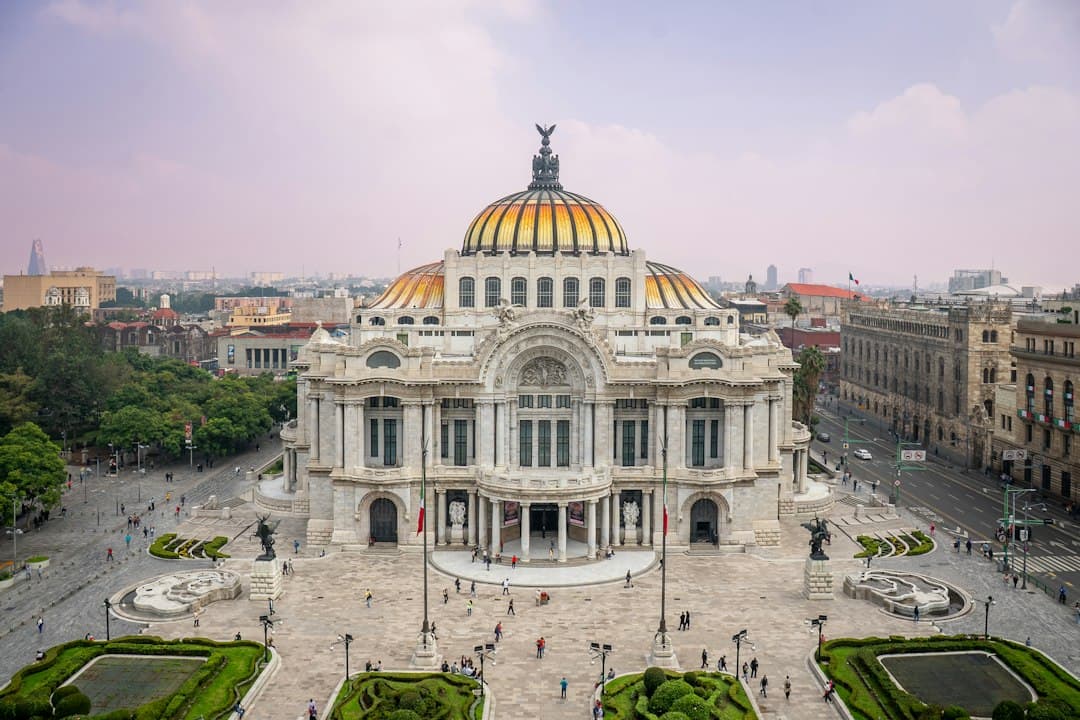
Torn between Mexico City, Oaxaca and Mérida for a few months of remote work? This article helps you get a sense of each city, spot the capital's neighborhoods that digital nomads look for and those you're better off avoiding, and choose a type of housing. It also covers the safety habits to adopt from the moment you start looking for a neighborhood.
Three cities, three ways of experiencing remote work in Mexico
Mexico doesn't have a single face, and both the climate and the budget change from one city to another. Mexico City is a large metropolis in the interior of the country: its climate is milder than that of coastal areas, with cooler winters[1]. The cost of living there is higher than in rural areas[1].
Oaxaca plays a different tune: the cities in the State of Oaxaca offer a lower cost of living than Mexico City[1]. In general, living in less urban cities costs significantly less than in large urban areas[1].
For a stay of several months, think like a tenant rather than a tourist: rent, groceries and transportation are the three core expenses to build into your budget[1]. Once that budget is set, compare cities on neighborhood and type of housing, more than on the price of a meal or a coffee.
Mexico City: neighborhoods to avoid and caution
In Mexico City, the choice of neighborhood matters as much as the choice of housing. The French Ministry of Foreign Affairs notes that some areas of the city are not safe[2]. Unless absolutely necessary, it advises against going to the colonias north and northeast of the Zócalo, even though they are easy to reach on foot from the historic center: Centro, Morelos, Tepito, Nicolas Bravo, Lagunilla and Popular rastro are among the capital's most dangerous areas in terms of crime[2].
If you visit the historic center, stay alert and don't stray far from the Zócalo[2]. An expatriate guide also cites Tepito among the neighborhoods to avoid, and recommends relying on discussion groups and advice from residents to identify areas to steer clear of[1].
Before booking accommodation, check the exact address on a map and compare it with these areas: the center is easy to walk around, which can create a false sense of security.
Oaxaca: living environment and risks to know
In Oaxaca, the cities in the state offer a lower cost of living than Mexico City[1]. Also worth knowing before you settle in: seismic activity is constant in Mexico, particularly along the Pacific coast, including the State of Oaxaca, and in the capital[2]. In Oaxaca as in the capital, look up earthquake safety guidelines as soon as you arrive.
The sources consulted offer little numerical data on rents in Mérida and Oaxaca: for these two cities, compare current listings rather than relying on an average.
Which housing to choose: furnished, shared or long-term rental
To settle in without taking risks, a furnished rental is the most common option: many expatriates choose it to ease their transition into Mexican life[1]. Sharing a home is another way to lighten the rent[1].
Whatever the format, regularly compare rental prices before deciding[1], and also explore local markets to cut your everyday expenses[1]. The market offers a wide variety of properties, from modern apartments in large cities to colonial-style houses in historic towns[1].
Scams, pitfalls and points of vigilance
Several risks directly affect the daily life of a remote worker staying for a few months, starting with taxi rides and police checks.
- Taxis: pay particular attention to drivers, who may be accomplices of criminals or be guilty of kidnappings. Check that the license plate matches the insurance displayed on the rear windows, and compare the photo on the driver's license visible in the vehicle with the driver's face[2].
- Prefer taxis from official stands ("sitio"), which can be spotted in the cities[2].
- Extortion: reports of extortion attempts are common in Mexico, and no fine should be paid to a lone officer who cannot issue a receipt. In that case, call 911 immediately to report a possible extortion attempt[2].
- Traffic checks: tourists have reported being extorted for money by police officers, particularly during traffic stops. In principle, the offense must be clearly explained, along with the amount and the payment method[2].
- Bank card: always keep your card in sight when you pay, as card cloning fraud is frequently reported[2].
Key points to keep in mind before choosing
- Set your budget around three main expenses: rent, groceries, and transportation[1].
- Check the neighborhoods north and northeast of the Zócalo on a map before settling on accommodation in Mexico City[2].
- Consider a furnished rental to get started, and room-sharing to lower your rent[1].
- Use official taxi stands, and keep 911 in mind in case of an extortion attempt[2].
- Look into the security situation of the area you're considering before moving in, as it varies from one part of the country to another[1].
This article covers the essentials for comparing the three cities. To really settle in, you'll need to go further: choosing your exact neighborhood, a line-by-line budget, and residency procedures.
Sources
- 1.^ abcdefghijklmnoglobalhealth.insurance — Living in Mexico as an expat | Global Health: “Inland cities, such as Mexico City, have a more temperate climate, with cooler winters.”; “The cost of living can vary considerably depending on where you are, with Mexico City being more expensive than rural areas.”; “For example, cities in the state of Oaxaca offer a lower cost of living than Mexico City.” https://globalhealth.insurance/fr/destination/sexpatrier-au-mexique-votre-guide-pour-une-formidable-aventure/ (accessed October 29, 2026)
- 2.^ abcdefghijkdiplomatie.gouv.fr — Mexico - Security | France Diplomatie: “Some areas of Mexico City are not safe.”; “Unless absolutely necessary, travel to the neighborhoods north and northeast of the Zócalo is not advised, even though they are easily reachable on foot from the city center: the Centro, Morelos, Tepito, Nicolas Bravo, Lagunilla, and Popular Rastro neighborhoods are among the most dangerous in the capital in terms of crime.”; “Caution is advised when visiting the center, and you should stay close to the Zócalo.” https://www.diplomatie.gouv.fr/fr/information-par-pays/mexique/conseils-aux-voyageurs-securite (accessed October 29, 2026)