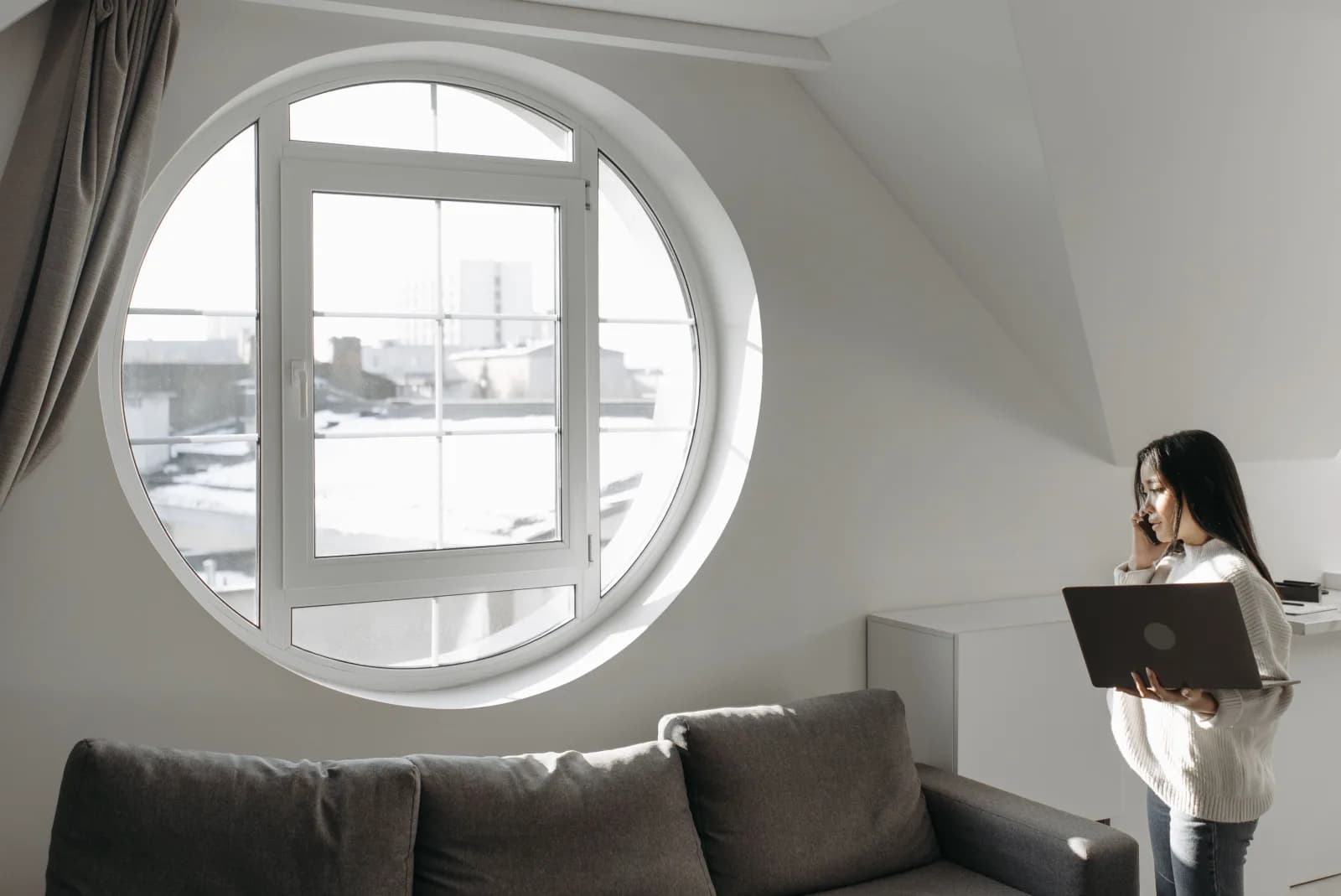
Most people building their first nomad kit make the same mistake: they shop before they think. They browse gear lists, study packed-bag photos, and start buying. Before asking the one question that actually matters: what does professional remote work require?
The answer, according to multiple 2025–2026 packing guides compiled by experienced long-term nomads, is less than most people expect and different from what most people buy.[1] A rule that has become standard across nomad communities: every item must earn its place through frequent, practical use. If you wouldn't reach for it at least weekly, it doesn't travel with you.[2] This guide works from that principle outward.
How to Think About Digital Nomad Gear Before You Buy Anything
Before getting into specific categories, a clear mental model for gear decisions saves money and bag space. Multiple long-term nomad packing resources describe a three-tier system that holds up well in practice.[3]
Essential covers what you cannot work or stay safe without. A failed laptop is a failed workday. A blocked card in a foreign country is a genuine crisis. These items are non-negotiable.
Strongly recommended covers what prevents the most common, predictable pain points: chronic back pain from poor work setups, chaos across frequent moves, data loss, and cognitive fatigue from constant noise. You can technically survive without them. Most nomads find they wish they hadn't.
Nice-to-have covers comfort additions and specializations that make more sense after a few months on the road, once you know what's genuinely missing.
The philosophy running through recent guides: start lean, iterate based on real experience, and treat gear as infrastructure for good habits rather than a lifestyle statement.[1]
Essential Digital Nomad Tools: Work Tech and Connectivity
The work tech stack is the absolute core. Without it, nothing else matters.
A Reliable Laptop, Protected and Backed Up
A lightweight, reliable laptop with enough processing power for your specific workflow is the central tool of remote work. Experienced nomad guides consistently favour ultrabook-style machines (typically under 1.5kg) for carry-on travel and daily café mobility, paired with a well-fitted protective sleeve.[4] The weight and durability balance matters more across months of real travel than headline specifications.
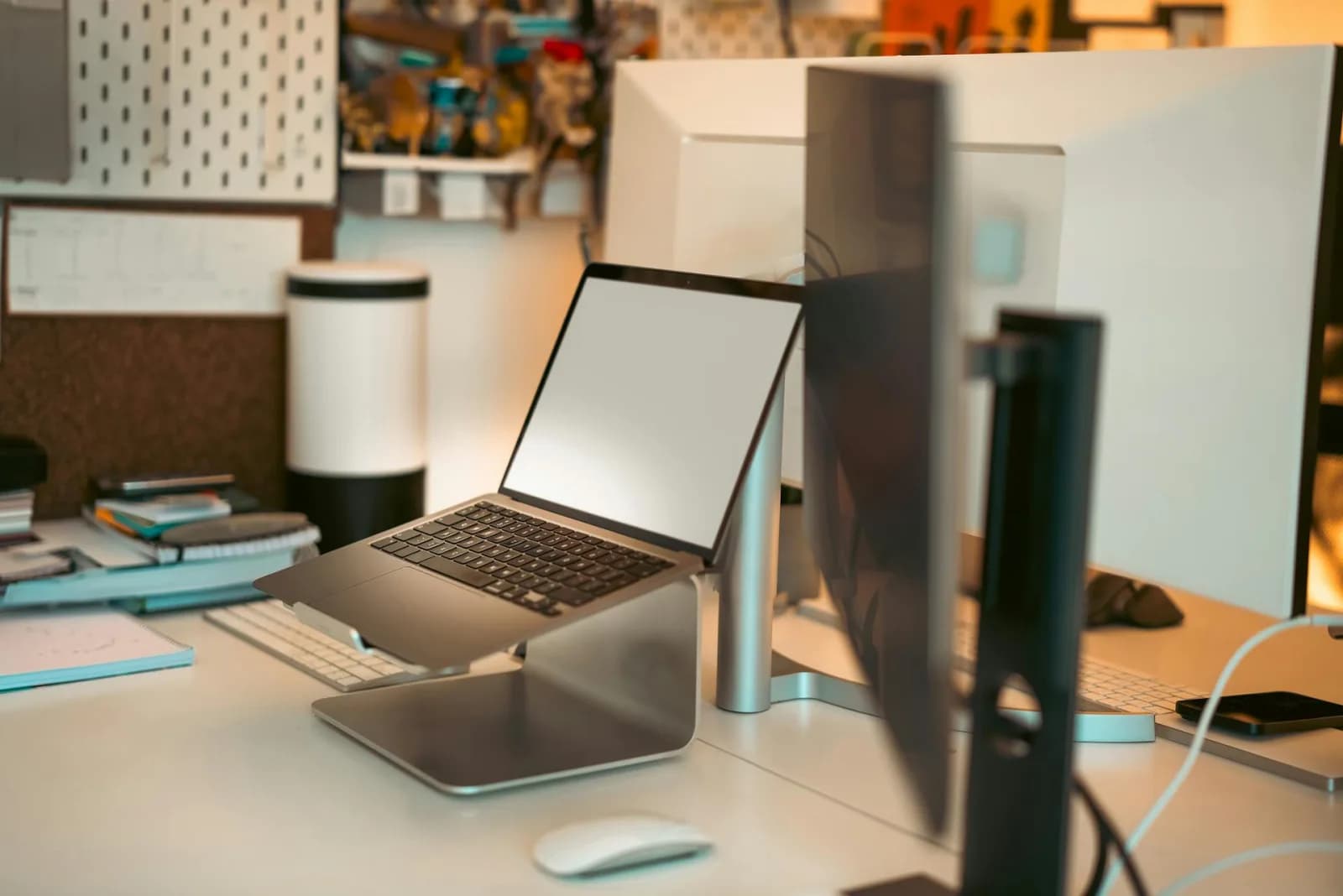
Equally important is what happens if the laptop is lost or stolen. A 2026 community guide frames it plainly: for long-term travellers, hardware loss is not a question of if but when.[5] The standard recommendation across security-focused nomad resources is the 3-2-1 backup strategy: three copies of essential data, on at least two different types of storage, with one copy offsite (for example in the cloud). A dedicated emergency fund capable of purchasing replacement hardware at your current location is also strongly advised: import taxes in some countries make laptops significantly more expensive than at home.[5]
Connectivity: Never Rely on a Single Source
Reliable internet is the literal foundation of remote work. Losing it mid-deadline or mid-client call is not an inconvenience. It is a professional problem.[6]
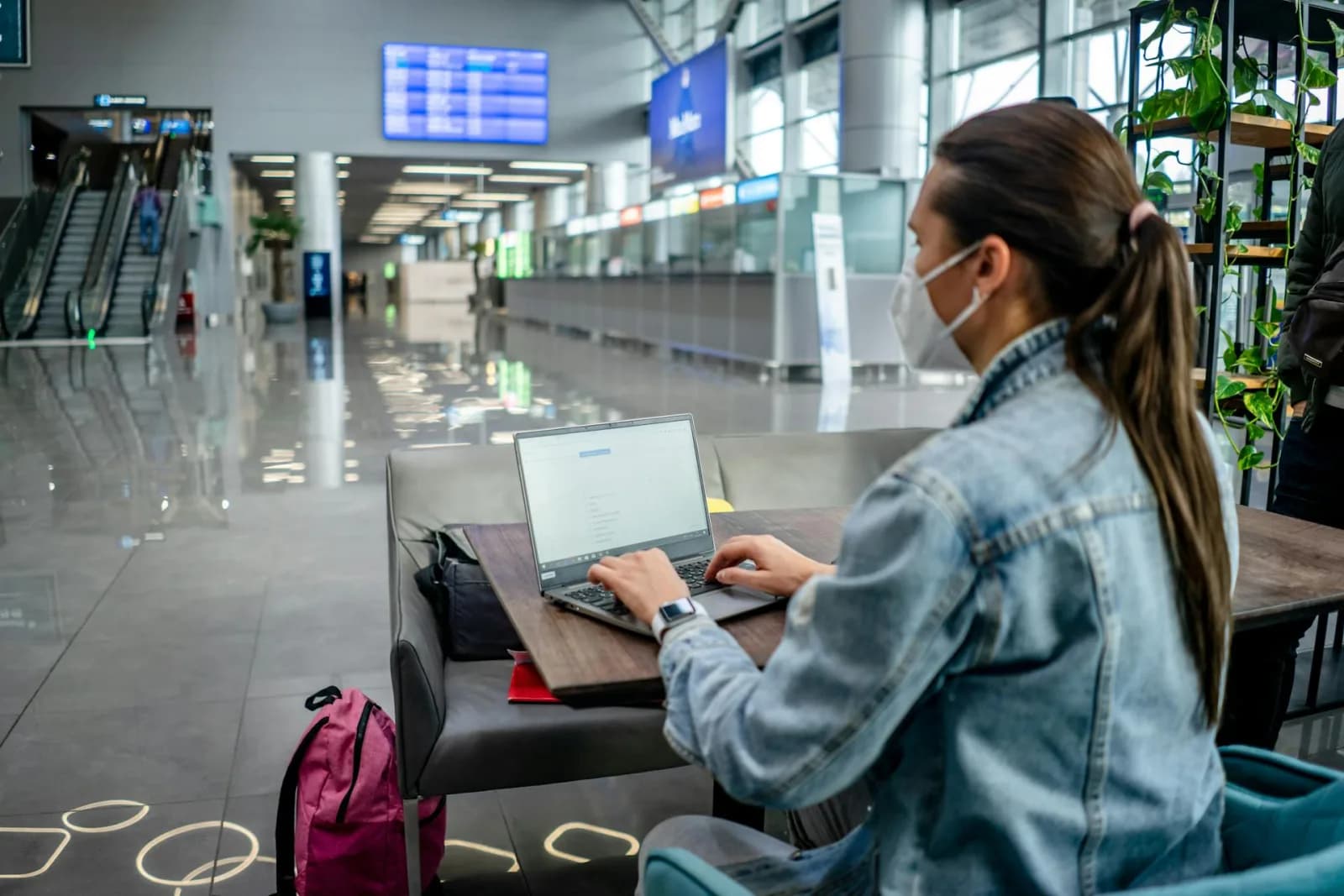
The current standard is a layered approach. A primary connection via an international eSIM or local SIM with mobile data handles everyday use. A secondary backup (a portable Wi-Fi hotspot or pocket router) provides a redundant network that covers café outages, accommodation with weak connections, or long transit days.[6] The community consensus on one point is firm: café Wi-Fi alone is not a sustainable connectivity strategy for professional remote work.[7]
Power Management
A high-capacity power bank in the 10,000–20,000 mAh range keeps devices running through long travel days and locations with limited outlets.[8] A universal travel adapter with built-in surge protection and multiple USB ports handles the variety of socket standards across countries without requiring a bag full of country-specific plugs.[8] Aviation regulations generally restrict power banks to 100 Watt-hours for carry-on travel; worth confirming before purchase.
Essential Gear: Security, Money, and Documents
These categories feel administrative. They matter more than almost anything else.
Digital Security Is Professional Infrastructure Now
The shift to remote work has elevated cybersecurity from a technical concern to a baseline professional expectation. Connecting to public or shared Wi-Fi (airports, cafés, coworking spaces, temporary accommodation) without active encryption exposes sensitive data, client systems, and Most websites now encrypt traffic with HTTPS, even on public Wi-Fi. Check that you are joining the intended network, keep your devices updated, and use your organisation's VPN when it is required to access work systems. The FTC explains what public Wi-Fi does and does not protect.
Use unique passwords stored in a reputable password manager and enable multifactor authentication. The CISA guidance on strong passwords is a practical baseline. A personal VPN does not guarantee access to your bank from abroad; check your bank's travel guidance before you leave.
Financial Infrastructure Built for Movement
Standard consumer banking is not designed for cross-border mobility. Account freezes on "suspicious" foreign transactions, currency conversion fees, and payment delays are consistent problems for long-term nomads.[5]
The practical solution described across multiple 2026 guides is a multi-account financial setup: a primary multi-currency fintech account for everyday spending and currency conversion, a backup card stored separately in a different bag or location, and a home-country account maintained for tax or visa compliance requirements.[5] Experienced nomads treat this setup with the same seriousness as their data backup strategy. A single point of financial failure carries too much risk across a multi-year nomadic career.
Documents and Insurance
Passport, travel insurance, and visa documentation should exist in at least two forms: a digital copy stored securely in the cloud and a physical backup kept separately from the original.[8] Some countries now require proof of health or travel insurance at the point of entry. Specialised digital nomad insurance products cover this requirement while also providing the open-ended, subscription-based coverage that standard annual travel insurance does not support.[9]
Strongly Recommended: Ergonomics and Focus
This is the category most beginner nomads skip. By month two, it is the category they regret skipping most.
Ergonomics Is Preventive Healthcare
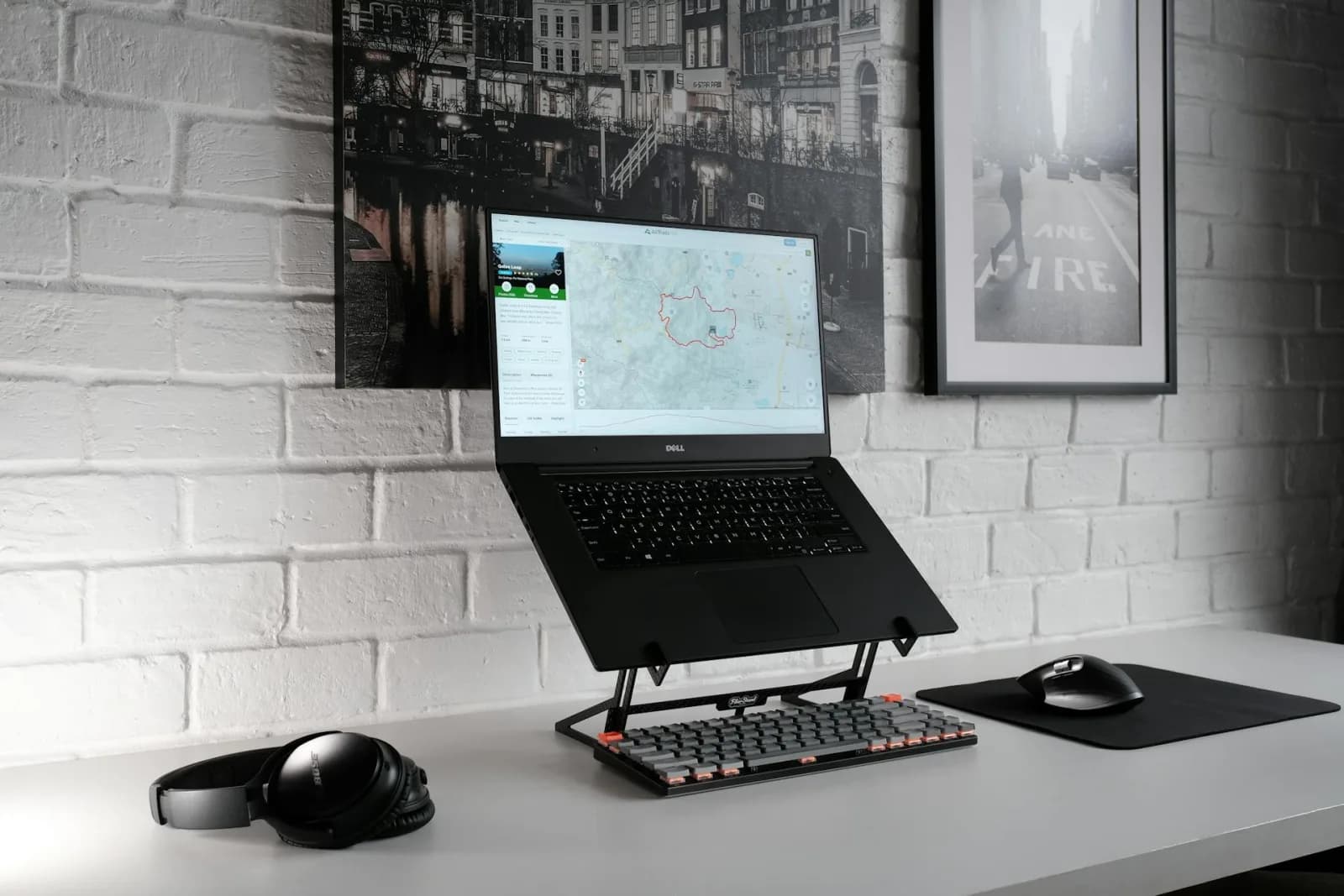
Working for months from café tables, hostel beds, and short-term apartment desks forces the spine into sustained, unnatural postures. Over time, this produces chronic neck and lower back pain. Treating these conditions abroad is expensive and practically difficult.[10]
A portable laptop stand that raises the screen to eye level addresses the root cause. Paired with a compact external keyboard and mouse, this creates a functional ergonomic setup in almost any location without significant added weight.[10] For roles involving heavy design, coding, or spreadsheet work, a portable second monitor is a meaningful upgrade. For stays of several months in one city, experienced nomads often recommend simply buying an inexpensive external monitor locally rather than carrying one across borders.[10]
Noise-Canceling Headphones
Active noise-canceling (ANC) headphones appear at the top of "strongly recommended" lists across virtually all 2026 nomad gear resources, not as a luxury but as a working tool.[11] They serve a dual function: enabling deep focus in noisy café and coworking environments, and providing clearer audio during client calls. For people who conduct regular video or voice meetings, a headset with a quality microphone that filters background noise is an additional consideration. Laptop microphones in loud environments undermine professional credibility in a way that is easy to underestimate until it happens.[11]
Essential: Sleep, Health, and Daily Comfort
Sleep Infrastructure
Quality sleep has an outsized effect on cognitive performance. Earplugs and an eye mask are among the most frequently cited "wish I had packed these earlier" items across nomad community discussions, effective in hostels, noisy city apartments, and overnight transit alike.[12] A quick-dry travel towel covers the frequent scenarios where accommodation does not provide towels, or where fast-drying after a gym or beach visit matters.[12]
Health and First Aid
A compact first-aid kit (bandages, common pain relief, anti-diarrheal medication, antihistamines) prevents unnecessary pharmacy trips in unfamiliar healthcare systems during minor illness.[13] Sunscreen and insect repellent are highlighted across nearly every nomad packing list as essential for warmer destinations, particularly for extended stays in new climates.[13]
Essential: Packing System and Clothing
The 35–40L Rule
Recent packing guides converge on a consistent recommendation: a 35–40 litre carry-on backpack as primary luggage, paired with a small daypack for daily use.[1] This keeps options open for transit, removes the risk of lost or delayed checked bags, and enforces a useful minimalism discipline. Many experienced nomads apply a hard rule: if you add something new, something else comes out.[2]
Organisation Inside the Bag
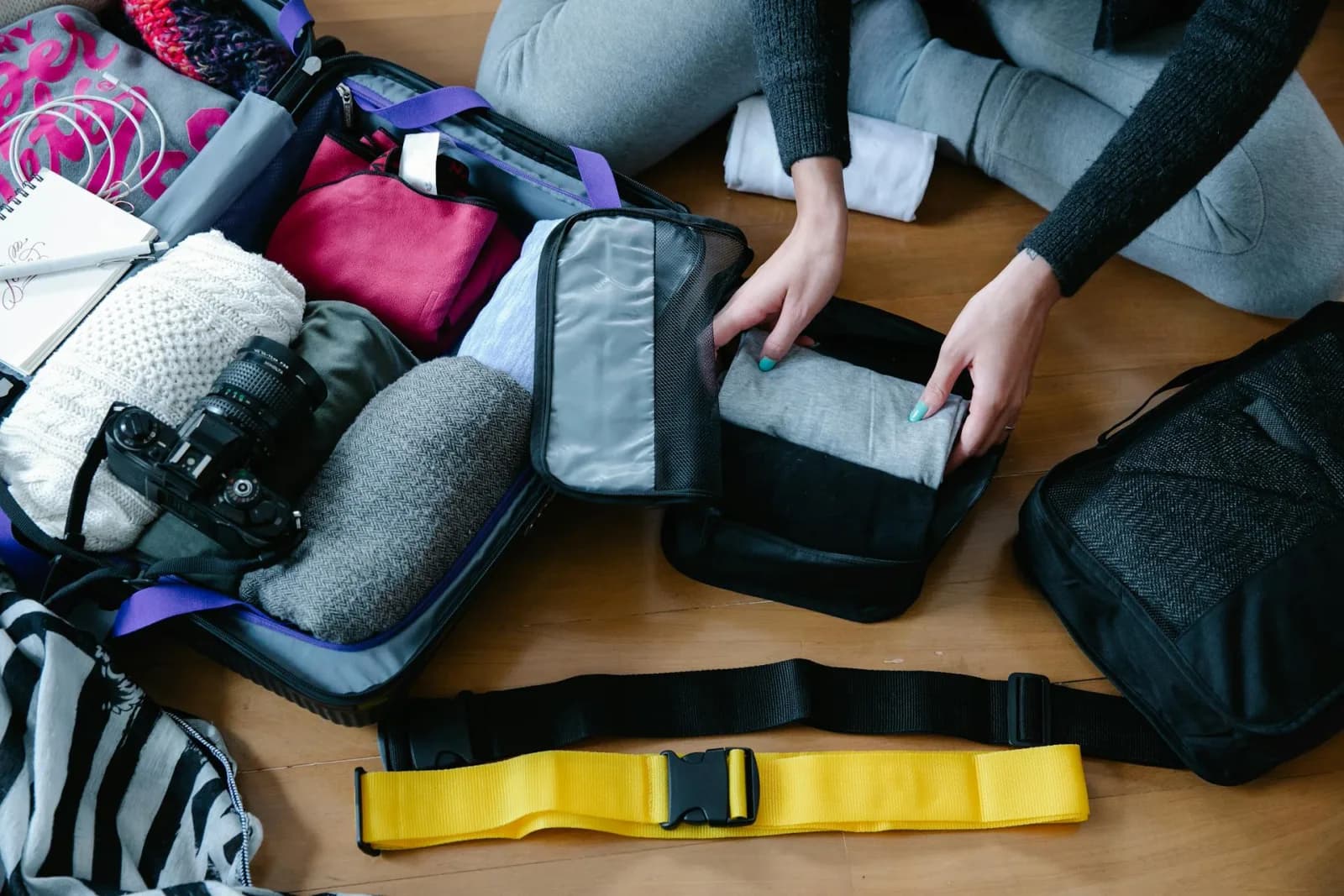
Packing cubes transform the experience of frequent moves. Instead of unpacking a full bag to find one item, cubes allow direct access to clothing, tech, and toiletries as separate zones.[14] A dedicated tech pouch keeps cables, adapters, and small electronics together and retrievable without untangling anything.[14]
A One-Week Wardrobe in the Right Fabrics
The consistent advice across long-term nomad resources is roughly one week of mix-and-match clothing in quick-dry fabrics, plus one smart-casual outfit for client calls or professional settings.[12] Merino wool is specifically highlighted for its antimicrobial properties: it can be worn multiple times between washes without retaining odour, which matters when doing laundry in unfamiliar places across shifting climates.[12]
Key Takeaways
- Gear is infrastructure for good habits, not a lifestyle aesthetic. Security, focus, and communication discipline matter more than device count.
- Start with an essential-only kit for the first one to two months, then add strongly recommended items based on real friction, not anticipation.
- Digital security (VPN, authenticator app, password manager, 3-2-1 data backups) is professional infrastructure in 2026. Treat it accordingly.
- Ergonomics is preventive healthcare. A portable laptop stand and external keyboard deliver among the highest returns of any gear investment for long-term nomads.
- Financial resilience requires a multi-account setup: a primary multi-currency account, a backup card stored separately, and a home-country account for compliance.
The Right Starting Point
The pattern across 2025–2026 gear guides and community experience is consistent: the nomads who struggle least are not the ones who packed the most. They are the ones who thought most carefully before packing anything.
A lean, well-chosen kit built around reliable connectivity, solid digital security, a functional ergonomic setup, and a disciplined packing system covers the vast majority of what professional remote work actually requires, from almost anywhere. The rest is iteration. And iteration is better done from real experience than from a gear list.
If you're mapping out your first nomad setup, or building infrastructure for the people who are, connect with the team and start planning.
Join Hello Mira
Discover how to travel better, longer, with a positive impact on local communities.
Join Our CommunitySources
- 1.^ abcWakeUpStoked: Digital Nomad Essentials for Location-Independent Life (2025)
- 2.^ abBackpackBeat: The 2026 Remote Work Guide: Ditch the Clutter, Work From Anywhere (2026)
- 3.^Digidiamo: Digital Nomad Essentials in 2026: Tools, Routines, and Tips to Thrive (2026)
Show 13 more sourcesShow less
- 4.^Cheapest Destinations Blog: Top Digital Nomad Tools for Working Travelers (2026)
- 5.^ abcdThings Nomads Do: The Essential Packing List for Digital Nomads
- 6.^ abThe Roaming Renegades: Ultimate Digital Nomad Packing List for Remote Workers 2026
- 7.^Pack Hacker: Digital Nomad Packing List
- 8.^ abcThe Broke Backpacker: The Ultimate Digital Nomad Packing List
- 9.^Remotly Jobs: Remote Work Skills for 2026: Top Skills, Checklist, and 30-Day Plan (2026)
- 10.^ abcLe VPN: Digital Nomad VPN Essentials
- 11.^ abViva Nomadia: Digital Nomad Gear: 21 Must-Have Items (2026)
- 12.^ abcdOwl Labs: The Comprehensive Guide to Remote Work in 2026
- 13.^ abSunwave Quest: Digital Nomad Essentials That Will Transform Your Lifestyle
- 14.^ abMost Wandered: The Ultimate List of Must-Have Digital Nomad Gear
- 15.Reddit r/digitalnomad: Community strategy for laptop loss (2022)
- 16.Barry's Sky Lounge: Best Tech Gear for Digital Nomads: Complete 2026 Guide