Are you a non-European planning to live in Germany for longer than a short stay? This article follows the process in the order you will meet it: what a Schengen stay allows (and forbids), the visa categories that actually exist, the national visa application, address registration and the residence permit. It also explains what EU citizens and Swiss nationals must do, and the points people most often get wrong.
Short Schengen stay: what it allows and what it doesn't
To obtain a Schengen short-stay visa for Germany, you must prove sufficient means of subsistence for the length of your stay and your return, as well as health insurance covering medical costs, repatriation and hospitalization within the Schengen area[1]. At border checks, keep proof of your means of subsistence[2] and of your accommodation[3] within reach.
This visa is valid for 90 days within any 180-day period and does not allow you to work[4]. If you travel as a digital nomad, this limit matters: a short stay is not a base for settling in.
Border control is now digital. The Entry/Exit System (EES) records non-European travelers biometrically (fingerprints and facial image) at the external borders of the Schengen area, replacing the passport stamp[5].
It automatically calculates the 90-out-of-180-day count from recorded entries and exits[6]. Its rollout began gradually on October 12, 2025, and it has been fully operational since April 10, 2026[7].
No "digital nomad" visa: which categories actually exist
Germany has no visa dedicated to digital nomads: remote work paid exclusively by an employer or foreign clients does not fit directly into the standard categories[8]. Remote work stays from abroad must fall under the existing categories[9]. The main ones are:
- Freelance (§ 21): only viable for a self-employed activity, with a viable business plan that proves sustainable subsistence in Germany[8].
- Blue Card and skilled worker: these routes require a link to an employer or to the German economy[8].
- Opportunity Card (“carte des opportunités”, Chancenkarte), in force since June 1, 2024: it allows you to come to Germany to look for work for up to 1 year[4].
The rules keep changing (Blue Card thresholds indexed each year, reforms to the skilled immigration law, the Opportunity Card)[9]. Before starting any procedure, use the Quick Check on make-it-in-germany.com and the Visa Navigator of the German Federal Foreign Office (Auswärtiges Amt), then verify on auswaertiges-amt.de and with your local Ausländerbehörde (immigration office)[9].
Applying for your national visa
For third-country nationals (outside the EU, EEA and Switzerland), national visa applications are made through the Consular Services Portal (digital.diplo.de) or at German embassies and consulates[10]. The portal is operated by the German Federal Foreign Office[11] and, among other things, lets you apply online for a Blue Card visa[12].
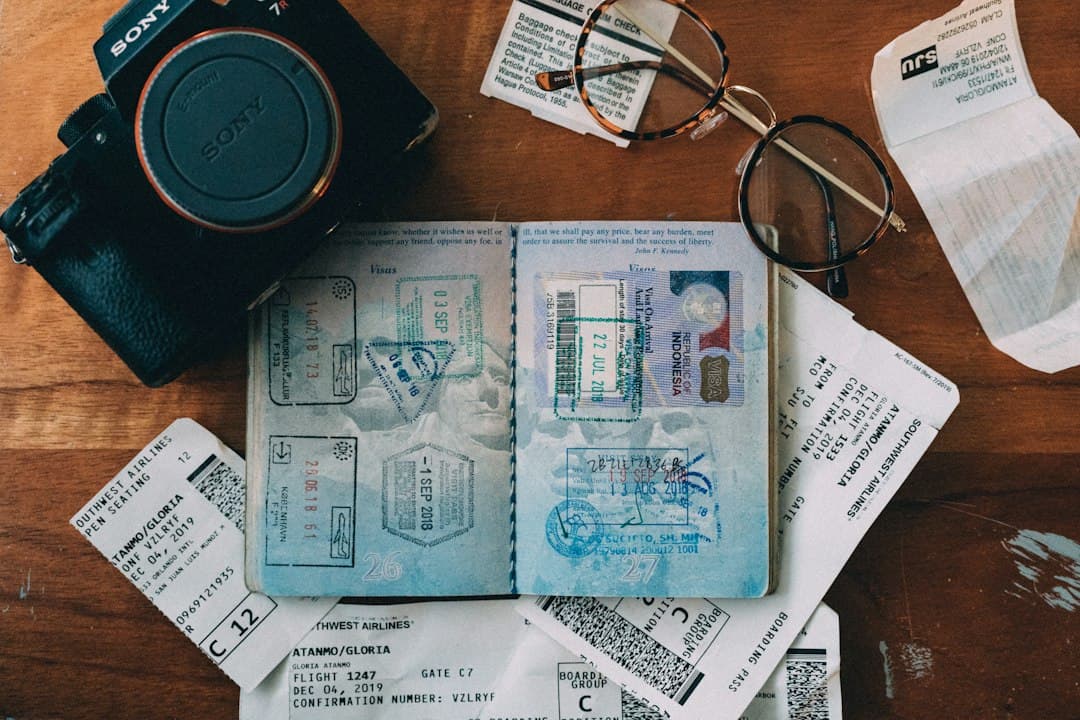
To come to work or settle in Germany, you need a long-stay visa (D visa), applied for at the German embassy for a specific purpose: work, job search, studies or training[4]. The standard national visa fee is 75 euros, paid in local currency at the appointment; payment methods vary by embassy[13].
Recognition of qualifications
For many work routes, prior recognition of your qualifications is done through anerkennung-in-deutschland.de[10]. Include this step early in your project timeline, before submitting the visa application.
On arrival: address registration, then residence permit
After entering Germany, you register your address (Meldepflicht) within 14 days, then apply for your residence permit at your local Ausländerbehörde[10].
To apply for a residence permit, you generally need a national visa. This visa already counts as legal stay and is taken into account for a settlement permit or naturalization[14].
EU and Swiss Citizens: What Changes
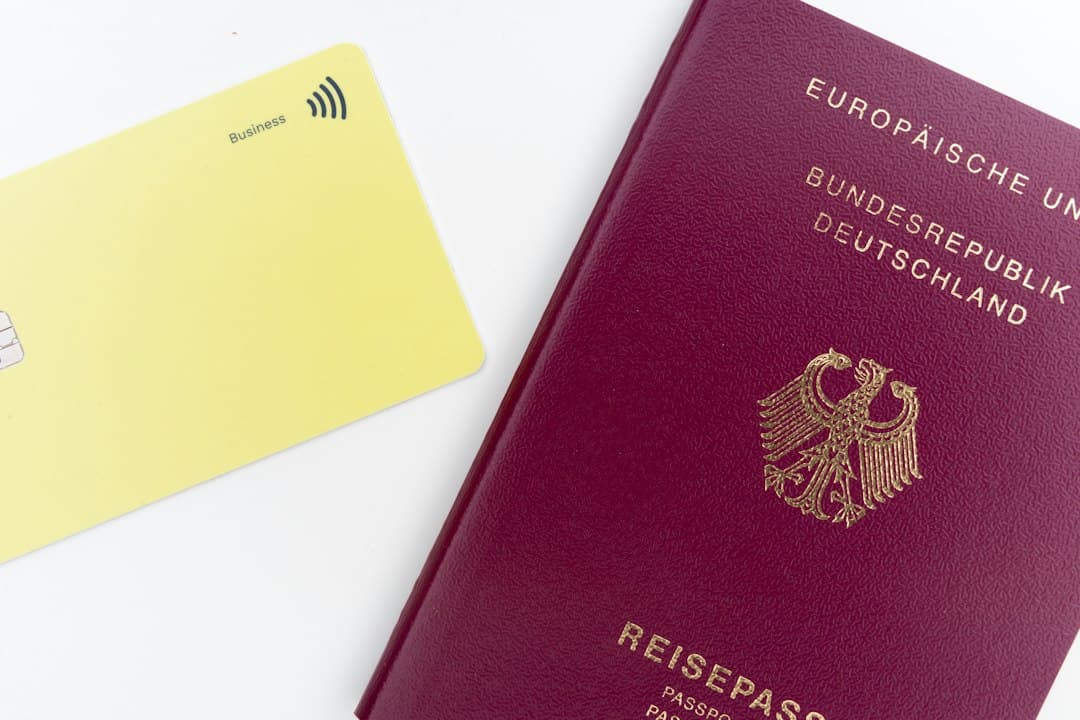
Citizens of the European Union generally do not need a work permit to work in another EU country, including Germany; self-employed workers never need one. Swiss nationals can also live and work freely in the EU thanks to the free movement of persons agreement[15].
After 3 months, an EU citizen may need to register their residence with the competent authority; they then receive a registration certificate confirming their right of residence. Only an identity card or a valid passport, plus a document depending on their situation (employment, self-employment, studies, or sufficient resources), may be requested[16].
Pitfalls and Points of Caution
- Short stay and long remote work: a Schengen stay does not allow you to work[4], and long or systematic remote work on this status is risky: entry refusal, difficulties with regularization[8].
- Exceeding 90 days: the count is automatic and any overstay is detectable in all Schengen countries[6].
- Address registration deadline: the 14 days start from your arrival[10]. Failing to report an address change to the Ausländerbehörde within 14 days exposes you to an administrative fine of €500, including for a major professional change such as a new employer[17].
- Failure to comply with visa conditions: sanctions range from a fine to an obligation to leave the territory[17]. Prolonged practice of a regulated profession without a permit may lead to immediate revocation of the residence permit, with an obligation to leave the territory within 30 days[17].
- Changing rules: Blue Card thresholds are indexed each year and subject to regular reforms. Check with the German Federal Foreign Office and your local Ausländerbehörde before you start[9].
Steps, in Order
- Check your situation with the Quick Check on make-it-in-germany.com and the Visa Navigator[9].
- Have your qualifications recognized if the chosen route requires it[10].
- Submit your national visa application through the consular portal or the embassy[10].
- Enter Germany and register your address within 14 days[10].
- Apply for your residence permit at the Ausländerbehörde[10].
This article gives the overall path. The precise conditions of each category, the exact budget, and the details of the documents to provide require going further on the official sites cited above before you truly settle in.
Sources
- 1.^Mira Knowledge — For a short-stay Schengen visa to Germany, you must prove sufficient means of subsistence for the duration of the stay and the return, as well as health insurance covering medical expenses, repatriation, and hospitalization. Verified 06/08/2026: official source auswaertiges-amt.de. https://www.auswaertiges-amt.de/en/visa-service (accessed June 8, 2026)
- 2.^Mira Knowledge — Visitors must be able to present proof of their means of subsistence for the duration of the stay at border checks. Verified: official source ambacongo-us.org.
- 3.^Mira Knowledge — Visitors must be able to present proof of their accommodation at border checks. Verified: official source ambacongo-us.org.
Show 14 more sourcesShow less
- 4.^ abcdfrontaliers-grandest.eu — Settling in Germany: residence conditions 2026: "Valid for 90 days within a 180-day period, it does not allow you to work (frontaliers-grandest.eu)." ; "Since June 1, 2024, the Chancenkarte (opportunity card) allows you to come looking for a job in Germany, for a period of up to 1 year (frontaliers-grandest.eu)." ; "Apply for a national long-stay visa (visa D) at the German embassy, for a specific purpose (work, job search, studies, training). Online application possible; fee €75 (frontaliers-grandest.eu)." https://frontaliers-grandest.eu/brochures/changement-de-residence-et-conditions-de-sejour-en-allemagne/ (accessed November 1, 2026)
- 5.^Mira Knowledge — The Entry/Exit System (EES) registers non-European travelers biometrically (fingerprints and facial image) at the external borders of the Schengen area, in place of the passport stamp. Verified 08/20/2026: official source travel-europe.europa.eu. https://travel-europe.europa.eu/ees_en (accessed August 20, 2026)
- 6.^ abMira Knowledge — The EES automatically calculates the 90-days-in-180 limit of short stays based on recorded entries and exits, which makes overstays systematically detectable in all Schengen countries. Verified 08/20/2026: official source travel-europe.europa.eu. https://travel-europe.europa.eu/ees_en (accessed August 20, 2026)
- 7.^Mira Knowledge — The EES began its gradual rollout at Schengen's external borders on October 12, 2025, and has been fully operational since April 10, 2026. Verified on 08/20/2026: official source travel-europe.europa.eu. https://travel-europe.europa.eu/ees_en (accessed August 20, 2026)
- 8.^ abcdMira Knowledge — Germany has no visa specifically for digital nomads. Remote work paid exclusively by a foreign employer or foreign clients does not fall directly into the standard categories. A short Schengen stay is risky for long or systematic remote work (entry refusal, regularization issues). Verified on 06/08/2026: official source make-it-in-germany.com. (accessed June 8, 2026)
- 9.^ abcdeMira Knowledge — Germany has no visa specifically for digital nomads. Stays for remote work from abroad must fit into the existing categories. Rules change over time. Use make-it-in-germany.com's Quick Check and the Visa Navigator, and verify on auswaertiges-amt.de and with your local Ausländerbehörde before taking any steps. Verified on 06/08/2026: official source make-it-in-germany.com. (accessed June 8, 2026)
- 10.^ abcdefghMira Knowledge — Third-country nationals apply for a national visa through the Consular Services Portal or German embassies and consulates. After entering, they register their address within 14 days, then apply for their residence permit at the local Ausländerbehörde. For many work routes, prior recognition of qualifications goes through anerkennung-in-deutschland.de. Verified on 06/08/2026: official source digital.diplo.de. https://digital.diplo.de/ (accessed June 8, 2026)
- 11.^Mira Knowledge — The Consular Services Portal is operated by the German Federal Foreign Office, in accordance with the Online Access Act (OZG). Verified: official source digital.diplo.de. https://digital.diplo.de/
- 12.^Mira Knowledge — The Consular Services Portal lets you apply online for an EU Blue Card visa. Verified: official source digital.diplo.de. https://digital.diplo.de/
- 13.^jobbatical.com — German residence visa: 2026 HR Digital Portal Guide: “The standard national visa fee is 75 euros, paid in local currency at the appointment (methods vary, check the embassy websites) (jobbatical.com).” https://www.jobbatical.com/fr/blog/german-residence-visa-consular-services-portal-hr-guide (accessed November 1, 2026)
- 14.^migrando.de — Your Overview on § 4 AufenthG – Everything about the residence permit: “To apply for a residence permit in Germany, you generally need a national visa. This visa already counts as lawful stay and is taken into account for the settlement permit or naturalization (migrando.de).” https://migrando.de/fr/blog/aufenthaltstitel/ihr-ueberblick-zu-4-aufenthg (accessed November 1, 2026)
- 15.^Mira Knowledge — EU citizens generally do not need a work permit to work in another EU country, including Germany. Self-employed people never need one. Swiss citizens can also live and work freely in the EU under the EU-Switzerland agreement on the free movement of persons. Verified on 10/11/2026: official source europa.eu. https://europa.eu/youreurope/citizens/work/work-abroad/work-permits/index_en.htm (accessed October 11, 2026)
- 16.^Mira Knowledge — After 3 months, an EU citizen may need to register their residence and receive a registration certificate. Only a valid ID card or passport and a document depending on their situation may be requested. Verified on 10/11/2026: official source europa.eu. https://europa.eu/youreurope/citizens/residence/documents-formalities/registering-residence/index_en.htm (accessed October 11, 2026)
- 17.^ abcapril-international.com — Complete guide to penalties and solutions for non-compliance with visa conditions for Germany: “Failure to comply with visa conditions in Germany can lead to severe penalties, ranging from a fine to an obligation to leave the country (april-international.com).” “Failing to report a change of address to the foreigners' office (Ausländerbehörde) within 14 days results in an administrative fine of 500 euros. This rule also applies to major professional changes, such as a new employer (april-international.com).” “The most serious cases, such as prolonged practice of a regulated profession without a license, lead to immediate revocation of the residence permit. The person concerned then receives an obligation to leave the country within 30 days (april-international.com).” https://www.april-international.com/fr/assurance/guide/sanctions-et-solutions-en-cas-de-non-respect-des-conditions-de-visa-pour-lallemagne (accessed November 1, 2026)