
Driving across Brazil in a van, alone, is a wonderful project, as long as you plan it well. This article helps you spot where caution is essential, organize your routes and stops, and recognize the most common pitfalls. It is based on recommendations from French and Spanish authorities.
Traveling Solo in Brazil: The Security Framework
Brazil is a country with high crime rates[1]. It affects every area to varying degrees, including the most touristy ones such as Rio de Janeiro and São Paulo, and even more so Salvador de Bahia and the Northeast coast[1]. The Southern states (Paraná, Santa Catarina and Rio Grande do Sul) are less affected[1].
The most common crimes are phone theft and armed robbery, where the victim is forced to hand over valuables or even withdraw money from an ATM[1]. These incidents can happen at any time of day or night[1].
A few basic habits: don't draw attention with jewelry, phones or valuables[2]; carry only what you strictly need, as it is not necessary to carry identity papers[2]; never leave belongings unattended[2].
Phone theft most often happens when its owner is using it: unlocked, it gives access to banking and shopping apps[1]. So avoid taking it out in the street.
Rio de Janeiro: Neighborhoods, Beaches and Nights
In Rio, no area is entirely spared: stay extra vigilant in tourist neighborhoods, which are the first targets of crime[2]. Absolutely avoid crossing the "comunidades" (the new name for favelas), even if your car navigation directs you there[2].
Avoid being isolated and walking alone, especially outside the South Zone (Leblon, Ipanema, Copacabana, Botafogo, Humaitá, Laranjeiras, Flamengo)[2]. This applies especially late at night and in Lapa and Pedra do Sal, where attacks on isolated tourists are regularly reported[2].
On the beaches, Copacabana and Ipanema account for two-thirds of thefts[2]. Go there with only the minimum needed for swimming[2]. "Arrastões" can occur there: large groups of young people move together, create confusion and take everything in their path[1]. Backpacks are especially attractive to thieves[1].
For swimming, the Atlantic currents call for caution at Copacabana, Ipanema and Leblon: follow swimming signs and lifeguard instructions, and do not swim during strong tides[2].
Van, Routes and Driving
Brazil records a high number of road deaths every year[3]. The road network is decent around major cities, but many unpaved sections are dangerous in the rainy season[3]. French authorities also point to reckless driving and often poor maintenance of a network that is only partly paved[2].
- Avoid driving at night[2].
- Plan your fuel ahead in your itinerary: fuel availability is not uniform across the territory[3].
- Prepare your route in advance and stick to main roads and busy areas[2]; little-used roads expose you to greater criminal risk[2].
- Be wary of GPS: it does not take route safety into account[2] and may direct you toward risky areas[2].
- At traffic lights, watch your surroundings and check your rearview mirror for suspicious two-wheelers approaching: attacks happen at stops, by individuals on motorcycles[2].
- Late in the evening and at night, running red lights is widespread: take precautions so you neither cause nor suffer an accident[2].
A rental vehicle, even an unmarked one, can be spotted and become a target in traffic[2]. In Salvador, at night, avoiding driving lets you skip parking far from your destination and the risk of an attack[1].
If you have an accident, file a police report ("boletim de ocorrência") at the nearest police station within 48 hours[3].
Weather, Rain, and Flooding
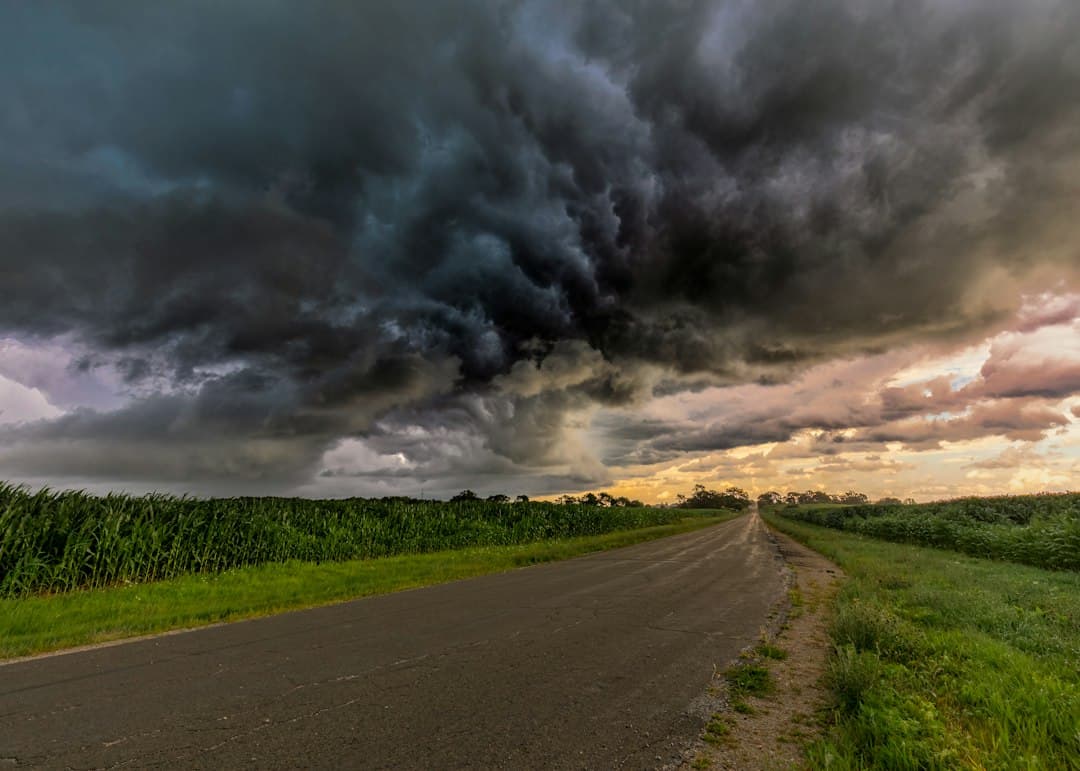
Flooding and landslides are common during the rainy season[1]. In the Southeast (Rio de Janeiro, São Paulo, Minas Gerais), it runs from January to March; in the Amazon, it starts in mid-October[1]. During the dry season, wildfires are very frequent, especially in the Center-West, the Northeast, and the South[1].
Fragile buildings on slopes are vulnerable, so keep this in mind when choosing accommodation outside of hotels[1].
During a storm, avoid traveling, stay away from trees and electrical installations, and never cross a flooded area, on foot or by vehicle[4]. Before getting back on the road, check the alerts from Brazil's national weather institute (INMET)[4] and follow the guidance of Brazil's civil defense[4].
Finding Travel Companions Without Taking Risks
Do not accept drinks offered by strangers: there have been cases of powerful sedatives or psychoactive substances leading to theft and violence against the victim[1]. Avoid being isolated, stay in a group, and don't wander away from busy areas[2].
In nightlife neighborhoods, the risks are real: in Rio, attacks on isolated tourists are regularly reported in Lapa and Pedra do Sal[2]; in São Paulo, armed robberies have been recorded in Vila Madalena, especially at night on weekends[2]. To get home, it's best to use a ride-hailing app or an official taxi[1].
Scams, Pitfalls, and Things to Watch For
- Payments with street vendors: avoid using your bank card or paying by phone, especially on Copacabana Beach, where many cases of charges far above the advertised amounts have been reported[1].
- Drinks: do not accept those offered by strangers, which may contain sedatives or psychoactive substances[1].
- Taxis: at airports and bus stations, avoid unofficial taxis[1]. Thefts can also happen during a taxi ride if the window is open[1].
- Moto-taxis: not recommended due to the risk of accidents; at a minimum, don't hail one on the street, book through an app, and check that the license plate matches the one shown, since fake rides have led to assaults[2].
- São Paulo: "express" kidnappings have been documented, in which victims are forced to withdraw cash from ATMs or make PIX transfers[1]. The risk is higher in the historic center (Praça da República, Praça da Sé, Luz Station), where walking is not advised[1].
- Isolated beaches: on beaches, avoid being alone and rent a chair from a rental stand[2].
- Drugs: penalties for trafficking (buying, selling, offering, possessing, or transporting) range from 3 to 15 years in prison[3]. Foreigners are then systematically deported, with a re-entry ban of at least five years[3].
Key Points to Remember Before You Leave
- Plan your stops during the day and along major roads, and avoid driving at night[2].
- Fill up in advance: gas stations are not available everywhere[3].
- Don't rely blindly on GPS, especially in Rio[2].
- Check weather alerts before each trip during the rainy season[4].
- Keep your phone stowed away on the street[1] and carry only the essentials[2].
- Go out in groups and use official taxis or ride-hailing apps to get home[1].
This article does not cover choosing and insuring a van, overnight parking spots, or entry formalities: these require further research to set off with peace of mind.
Sources
- 1.^ abcdefghijklmnopqrstuvwexteriores.gob.es — Travel recommendations detail: "Brazil is a country with high crime." ; "This crime affects, to varying degrees, all areas, including the most touristy ones such as Rio de Janeiro, São Paulo, and especially Salvador de Bahia and the Northeast coast." ; "Crime in the Southern states (Paraná, Santa Catarina, and Rio Grande do Sul) is lower." https://www.exteriores.gob.es/es/ServiciosAlCiudadano/Paginas/Detalle-recomendaciones-de-viaje.aspx?trc=brasil (accessed November 12, 2026)
- 2.^ abcdefghijklmnopqrstuvwxyz27diplomatie.gouv.fr — Brazil - Security | France Diplomatie: "It is advised to carry only the bare essentials (carrying identity papers is not necessary) and never to leave personal belongings unattended." ; "The vast majority of homicides do not target tourists (however, avoid drawing attention to yourself with jewelry, mobile phones, or valuables)." ; "No neighborhood is entirely spared." https://www.diplomatie.gouv.fr/fr/information-par-pays/bresil/conseils-aux-voyageurs-securite (accessed November 12, 2026)
- 3.^ abcdefgdiplomatie.gouv.fr — Brazil - Practical information | France Diplomatie: “Brazil records a high number of road deaths each year. The road network is adequate near major cities, but many unpaved stretches are dangerous during the rainy season.”; “Fuel supply is not uniform across the country.”; “In the event of an accident, it is advisable to file a police report (registrar um boletim de ocorrência) at the nearest police station within 48 hours.” https://www.diplomatie.gouv.fr/fr/information-par-pays/bresil/conseils-aux-voyageurs-informations-utiles (accessed November 12, 2026)
- 4.^ abcddiplomatie.gouv.fr — Brazil - Travel advice - Latest updates and alerts - Page 1 of 1 - France Diplomatie | France Diplomatie: “We especially recommend avoiding travel during storms, keeping your distance from trees and electrical installations, and never crossing a flooded area, on foot or by vehicle.”; “It is also recommended to stay informed of the situation (avisos.inmet.gov.br) and to exercise caution when traveling.”; “It is recommended to follow the instructions of Brazilian civil defense closely.” https://www.diplomatie.gouv.fr/fr/information-par-pays/Br%C3%A9sil/dernieres-minutes-et-alertes (accessed November 12, 2026)



