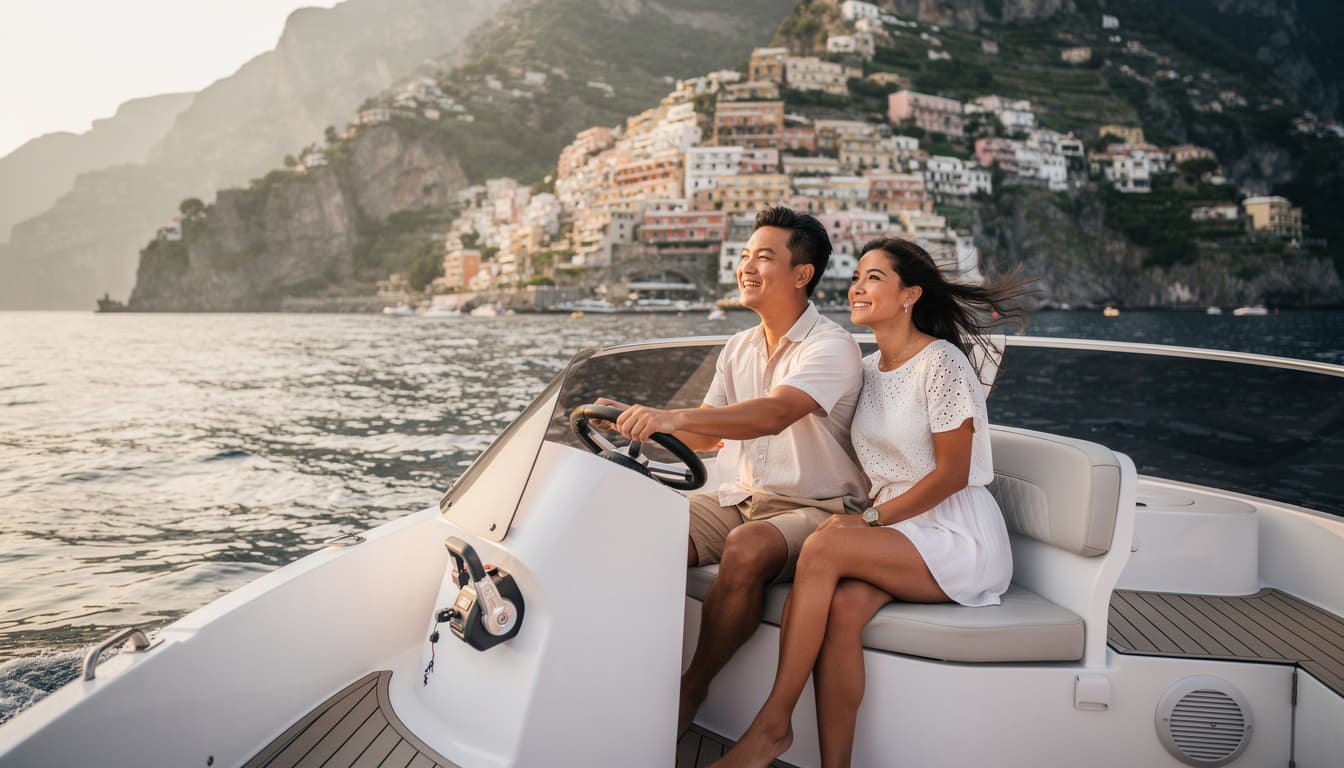
The Amalfi Coast reads like a landscape that has been lived in for centuries, with its villages clinging to the cliffs, its terraced lemon groves, and the legacy of a powerful maritime republic. This article helps you choose your stops, decide what to do on foot or by boat, and plan your days so you can enjoy the coast without being overwhelmed by the crowds.
A UNESCO-Listed Cultural Landscape
The Amalfi Coast stretches along the southern shore of the Sorrento Peninsula, in the province of Salerno. UNESCO describes it as a landscape of exceptional cultural value, born from the meeting of nature and human activity[1]. The site covers 11,231 hectares and includes 15 municipalities, farmland, and three nature reserves[1].
The terrain explains the look of the place: the Lattari Mountains form a natural boundary separating the Gulf of Naples from the Gulf of Salerno[1]. This dramatic relief and its historical evolution have produced exceptional cultural and natural landscape values[2].
Here, residents have farmed wherever they could find room. Citrus trees, olive trees, and vines hold on to terraced slopes, supported by dry-stone walls[1]. The villages follow the same logic: their narrow streets and steep staircases recall Eastern souks[1]. Plan on good shoes, since you will walk a lot, often up and down stairs.
History and Culture: The Legacy of the Maritime Republic of Amalfi
The area has been inhabited since prehistoric times, as shown by Paleolithic and Mesolithic remains found in Positano[1]. Settlement grew markedly from the early Middle Ages onward[1].
Amalfi is the oldest of the maritime republics, the great ports that dominated Mediterranean trade in the medieval period[3]. The republic's economic power, between the 9th and 11th centuries, left behind architecture and works of art that blend Eastern and Western influences[1]. Several of the coast's historic centers prospered during this era and preserve masterpieces, some of them in the so-called “Arab-Norman” style[1].
Amalfi's trade network was so extensive that its ships brought the art of papermaking, invented in China, to Europe[3]. The Museo della Carta, housed in a former paper mill, explains how paper was made nearly a thousand years ago and lets you make a sheet yourself[3].
Some traditions have not disappeared: craftsmanship, such as ceramics with Arab-inspired designs, agriculture, and certain forms of fishing continue[1].
What to See: The Must-Visit Villages
Amalfi
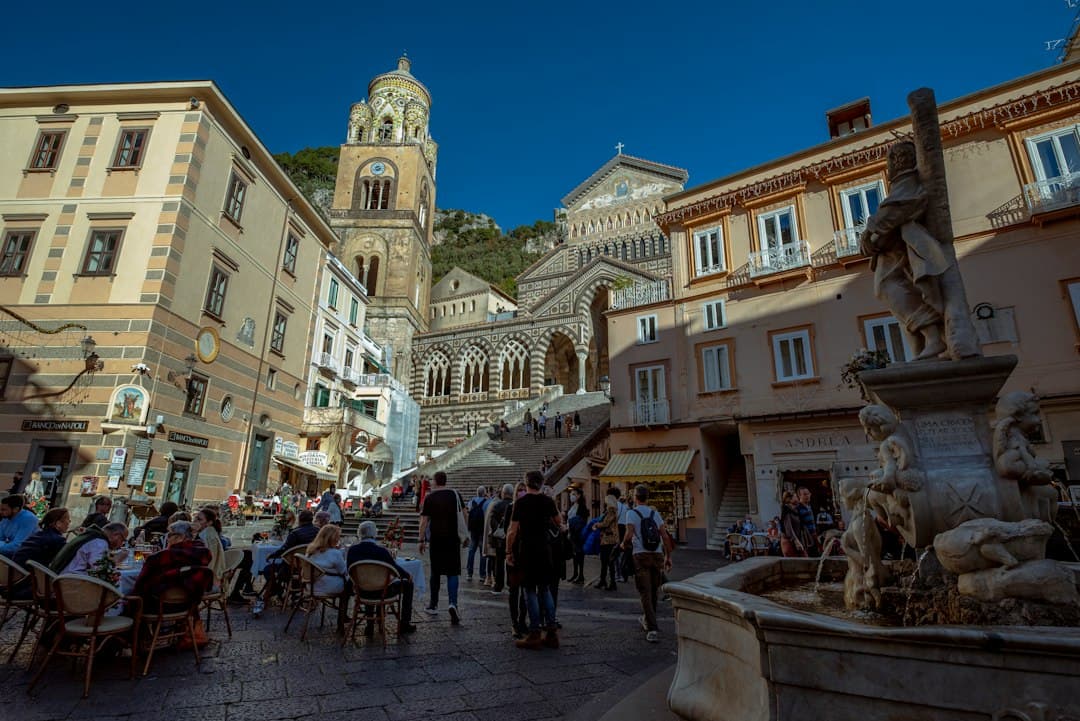
Amalfi is the historic and geographic heart of the coast, and the town gave the coastline its name[4]. Its Cathedral of Saint Andrew, with its imposing staircase, Byzantine-style facade, and Paradise Cloister, is a must-see[4]. The town is also a good starting point for exploring the surroundings[4].
Positano
Positano is arguably the most photographed village on the coast[4]. Its colorful houses seem to tumble down the cliff to the sea, and its main beach, the Spiaggia Grande, serves as a meeting place[4]. Its steep lanes are full of fashion and handicraft shops, especially around lemon and ceramics[4].
Ravello
Perched on the hills, Ravello is known for its gardens and panoramic views[4]. The gardens of Villa Rufolo inspired Wagner's opera Parsifal, and Villa Cimbrone is famous for its Terrace of Infinity[4]. Ravello is nicknamed the “city of music” and hosts an international festival every year in the Villa Rufolo gardens, which overlook the sea[3]. Villa Cimbrone is a private hotel, but you can admire its vast gardens[5].
Atrani, Cetara, and Vietri sul Mare
Atrani flies under the radar of most tourists. It is the smallest municipality in Italy, covering just 0.2 km², and an easy bus detour from Amalfi[3]. Atrani was once an important ally of the Republic of Amalfi, and its architecture still bears traces of that medieval prosperity[3].
Cetara is a fishing village that seems frozen in time[5]. Vietri sul Mare, the last town on the coast, has for centuries lived off pottery production[3]. Visiting its ceramic workshops offers a glimpse into an ancestral craft[4].
What to do: trails, caves and sea
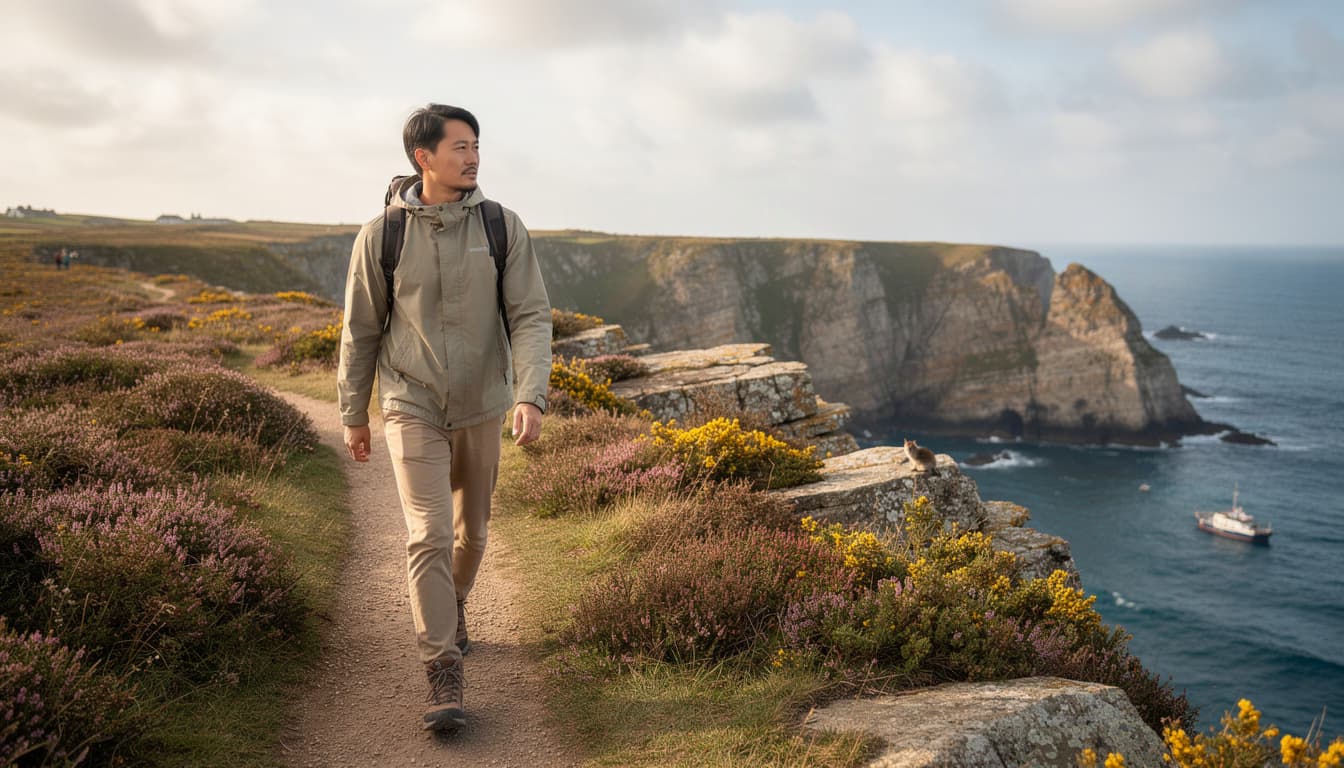
The Path of the Gods (Sentiero degli Dei) links Agerola to Nocelle, a hamlet above Positano, with spectacular views of the coast and Capri[4]. Plan on about 4 hours of walking, with good legs and a head for heights[6]
The trek starts in Bomerano, which you can reach by bus 5080 from Amalfi[7]. Once you arrive in Nocelle, a lemon kiosk serves granita, then 1,700 steps lead down to Positano, where you can head back by bus or ferry[7].
On the water, two options complement each other. The Furore fjord, between Praiano and Amalfi, is home to one of the smallest beaches on the coast, just 25 m wide[3]. If stairs don't bother you, its arched bridge and atmosphere make it a memorable stop[7]. Bus SITA 5570 also serves the beaches of Conca dei Marini and the Grotta dello Smeraldo, a natural cave with glowing green waters[7]. The two sites are close together, but bus schedules are hard to coordinate: it's best to choose just one[7].
Seeing the coast from the sea offers a different perspective: boat excursions let you admire the villages from offshore and reach secluded coves[4]. Sea kayaking is another option for exploring sea caves, such as the Emerald Grotto, and paddling along the cliffs at your own pace[4]. For a cooler walk, the Valle delle Ferriere, a nature reserve behind Amalfi, follows streams and waterfalls, through lush vegetation and the ruins of old paper mills[4].
At the table and in the workshops
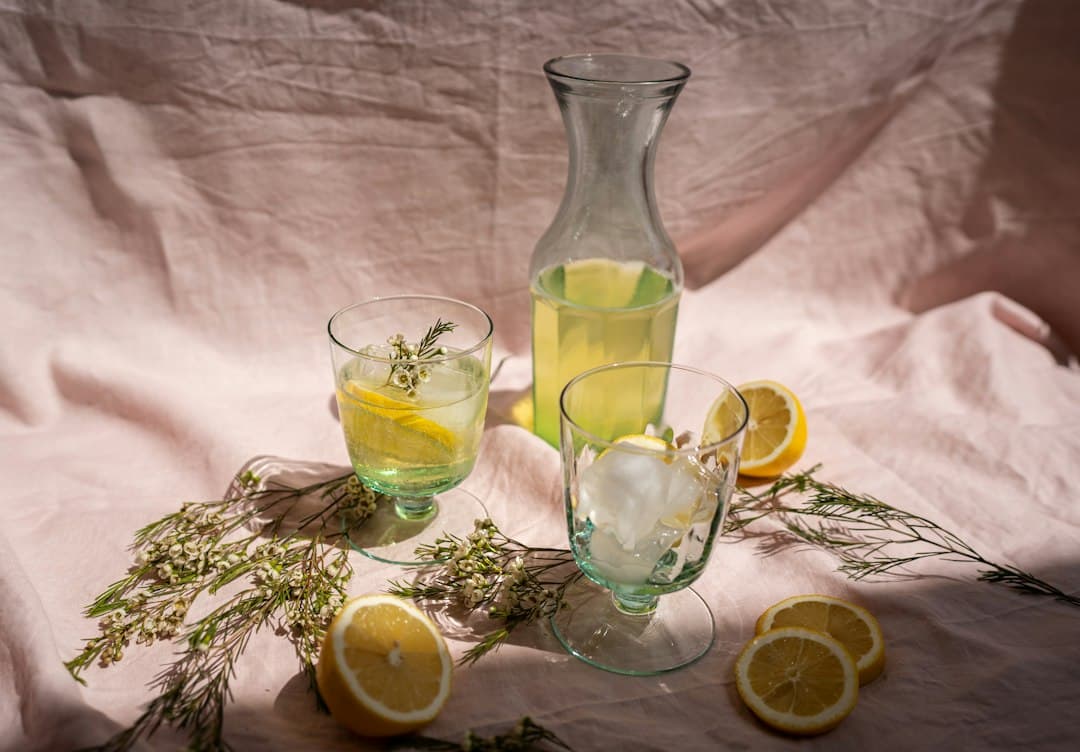
Lemon cultivation is everywhere on the coast, and its most famous expression is limoncello[4]. Amalfi lemons, known as Sfusati for their elongated, conical shape, hold a Protected Geographical Indication[5]. Homemade limoncello is an Amalfi specialty that most restaurants serve after a big meal[3]. If you don't drink alcohol, a lemon granita or sorbet makes an excellent alternative[3].
On the seafood side, tuna is best enjoyed in Cetara, which holds a tuna festival every year; colatura, a liquid strained from salted anchovies, seasons pasta dishes[6]. Anchovy lovers will appreciate Cetara's anchovies and their colatura, an amber sauce with an intensely salty flavor that is drizzled over spaghetti[5]. Scialatielli from Amalfi are a thicker, flatter version of spaghetti, often served with shellfish[6].
Bring back ceramics from Vietri sul Mare too: lemon-themed crafts and ceramics fill the shops of Positano as well as those of the other villages[4].
Practical info: when to go, how to get there, how much time to allow
The coast is packed from June to August, and one independent guide recommends May and September: warm sea, fewer crowds, no July heat spikes[8]. The same guide suggests avoiding August, unless you enjoy queuing for a bus in 95 °F heat[8].
The coastal road, the Strada Statale 163, is stunning but gets congested in peak summer season[3]. It's simpler to get around by ferry: in season, regular services (SNAV, Travelmar) connect Positano, Praiano, Amalfi, Atrani, Minori, Maiori, Cetara, Vietri sul Mare and Salerno[3]. SITA buses also let you travel from one town to the next[3].
The coast is not served by train, except at Sorrento and Vietri sul Mare; between Amalfi and Salerno, a ferry or SITA bus 5570 will do[7]. In Positano, the last ferry leaves in the late afternoon during high season, so plan to head back by bus[7].
If you don't have a car, Amalfi is the best base, with direct connections to all the main points of interest along the coast and the Sorrento Peninsula[7]. Salerno is also a good transport hub, close to the new Salerno Costa d'Amalfi Airport, which opened in July 2024[7]. For slightly cheaper accommodation, Atrani (a six-minute walk from Amalfi) and Maiori are good options[7].
As for duration, three days is enough to see the main towns and do a hike[8]. At least five days lets you travel between the towns by ferry at a relaxed pace[6].
Pitfalls, scams and things to watch out for
- Budget: expect expensive accommodation and high tourist prices in restaurants and cafés, with meals at €50 at minimum and an espresso at more than €5 (versus €1.10 in most of Italy)[6].
- Accommodation: book in advance year-round, as demand for rooms is very high in summer[6].
- Path of the Gods: it requires strong legs and a head for heights[6]; in summer, set out early, as there is no shade[8].
- Limoncello: a person in front of a shop offers to let you "taste for free" or visit an "artisan factory," but it is a store; after the tasting, you are asked which bottle you want, at €42 or €55, with pressure to buy[9].
- Restaurants: the trap appears when prices are not displayed, when phantom fees are added, or when prices change between the menu and the bill[9]. Check the menu displayed outside, compare each line of the bill, dispute any difference and, if they refuse to correct it, pay by card to keep a record[9].
- Booking: additional fees not included in the original booking may be announced once you are settled in[9]. Check the terms before booking.
Sources
- 1.^ abcdefghijwhc.unesco.org — Costiera Amalfitana - UNESCO World Heritage Centre: “The Amalfi Coast stretches along the south coast of the Sorrento Peninsula, in the province of Salerno, and can rightly be described as a landscape of exceptional cultural value, thanks to the remarkable work of both nature and humankind.”; “The Amalfi Coast covers 11,231 hectares, a large area encompassing 15 municipalities, farmland and three nature reserves.”; “On the south side of the peninsula, the Lattari Mountains form a natural boundary that runs from the peaks of the Picentini Mountains down to the Tyrrhenian Sea, separating the Gulf of Naples from the Gulf of Salerno.” https://whc.unesco.org/en/list/830/ (accessed November 13, 2026)
- 2.^unescotracker.net — Amalfi Coast – UNESCO Heritage Tracker: “Its spectacular topography and historical evolution have produced exceptional cultural and natural landscape values.” https://www.unescotracker.net/fr/sites/586/costiera-amalfitana (accessed November 13, 2026)
- 3.^ abcdefghijklmlonelyplanet.com — The 17 best things to do on the Amalfi Coast - Lonely Planet: “Amalfi was the oldest of the maritime republics, a group of powerful ports that dominated Mediterranean trade in the medieval period.”; “Paper was invented in China, but Amalfi's trade network was so vast that its ships brought the art of papermaking to Europe.”; “At the Museo della Carta, housed in a historic former paper mill, you can learn how paper was made almost a millennium ago and try making some yourself.” https://www.lonelyplanet.com/articles/top-things-to-do-on-amalfi-coast (accessed November 13, 2026)
Show 6 more sourcesShow less
- 4.^ abcdefghijklmnoroutard.com — Visiting the Amalfi Coast (Costiera amalfitana): plan your stay and trip to the Amalfi Coast (Costiera amalfitana) | Routard.com: “Its Cathedral of Saint Andrew (Cattedrale di Sant’Andrea), with its imposing staircase, Byzantine facade and Paradise Cloister, is a must-see.”; “The town, which gave the coast its name, is an ideal starting point for exploring the surroundings.”; “Amalfi, the historic and geographic heart of the coast, is a former maritime republic that left an important architectural legacy.” https://www.routard.com/fr/guide/europe/italie/campanie/cote-amalfitaine-costiera-amalfitana (accessed November 13, 2026)
- 5.^ abcditalia.it — Amalfi Coast: what to see in the UNESCO site - Italia.it: “The villa is a private hotel, but it is possible to admire the immense gardens which, with their Terrace of Infinity, offer the finest view of the Amalfi Coast.”; “We continue on to Cetara, a fishing village that seems suspended in time.”; “Among the must-try products are Amalfi lemons, a protected geographical indication citrus fruit called Sfusati for their elongated, conical shape.” https://www.italia.it/es/campania/que-hacer/costa-de-amalfi (accessed November 13, 2026)
- 6.^ abcdefglonelyplanet.com — A guide to Italy's stunning Amalfi Coast - Lonely Planet: “You need strong legs and a head for heights for this 4-hour hike, which offers sweeping views of Capri and the sea.”; “Another sea specialty is tuna, best enjoyed in Cetara, a town that holds a tuna festival every year, while pasta dishes with colatura are drizzled with the filtered liquid from salted anchovies.”; “Scialatielli di Amalfi are a flat, thicker version of spaghetti, often served with seafood.” https://www.lonelyplanet.com/articles/guide-to-amalfi-coast (accessed November 13, 2026)
- 7.^ abcdefghijlonelyplanet.com — Travel the Amalfi Coast on public transit - Lonely Planet: “Take bus 5080 from Amalfi to Agerola (Bomerano), the starting point of this iconic cliff-top hike.” “The hike ends in the hamlet of Nocelle, where you can reward yourself with a lemon granita, then walk down the 1,700 steps to Positano and return to your base by bus or ferry.” “If you don't mind steps, do the Furore Fjord. The iconic arched bridge over this secluded pebble beach makes for an unforgettable setting, and the atmosphere is pure joy.” https://www.lonelyplanet.com/articles/amalfi-coast-travel-public-transport (accessed November 13, 2026)
- 8.^ abcdvisitaritalia.com — Amalfi Coast 2026, practical tips and itineraries: “May and September are the smart choices: warm sea, fewer crowds, no scorching heat as in July.” “Avoid August at all costs unless you enjoy queuing for a bus at 35 °C.” “Do it early in the morning, before 9 am in summer. There's no shade.” https://www.visitaritalia.com/fr/amalfi-coast/ (accessed November 13, 2026)
- 9.^ abcditalyamalficoasttours.com — Is the Amalfi Coast safe for tourists? - Italy Amalfi Coast Tours: “You taste. Then comes the question: Which bottle would you like? This batch is 42 euros, this one, premium, is 55 euros.” “The pressure builds: You must buy at least one bottle to thank us for the tasting.” “You walk into what looks like a factory, but is actually a sales shop with a small production area at the back.” https://italyamalficoasttours.com/fr/is-the-amalfi-coast-safe-for-tourists (accessed November 13, 2026)