Siena is best explored on foot, slowly, and easily extended into the hills of Chianti or Val d'Orcia. This article helps you choose what to see first in the city, understand what the Palio and the contrade are, spot the highlights of the year, and plan a day trip into the surroundings. You'll also learn how much time to allow and which bookings to make in advance.
Why Siena: a medieval city like no other
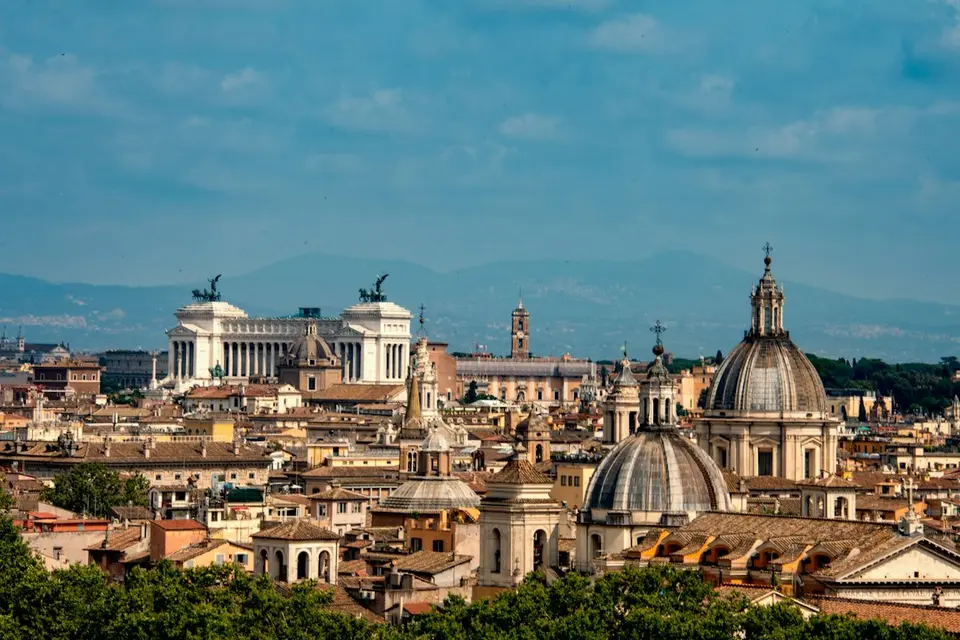
Siena's historic centre has been a UNESCO World Heritage Site since 1995[1]. It is considered the perfect embodiment of the medieval urban ideal, a "Gothic dream" realized between the 12th and 15th centuries[1]. The city has kept the appearance it acquired in that era[2].
Compared to Florence, its historic rival, Siena plays a different card: less crowded, it has kept a strong local identity and an authentic atmosphere[3]. It still welcomes visitors throughout the year[1].
Its past explains its character. A true medieval metropolis financed by banking, it was governed between 1287 and 1355 by the Council of Nine, representatives elected for only two months at a time[1]. The Palazzo Salimbeni, the oldest bank in the world still in operation, bears witness to that prosperous era[1].
Another advantage for light travelers: the historic centre is largely closed to traffic and is easy to discover on foot[3].
What to see in Siena: Piazza del Campo and its monuments
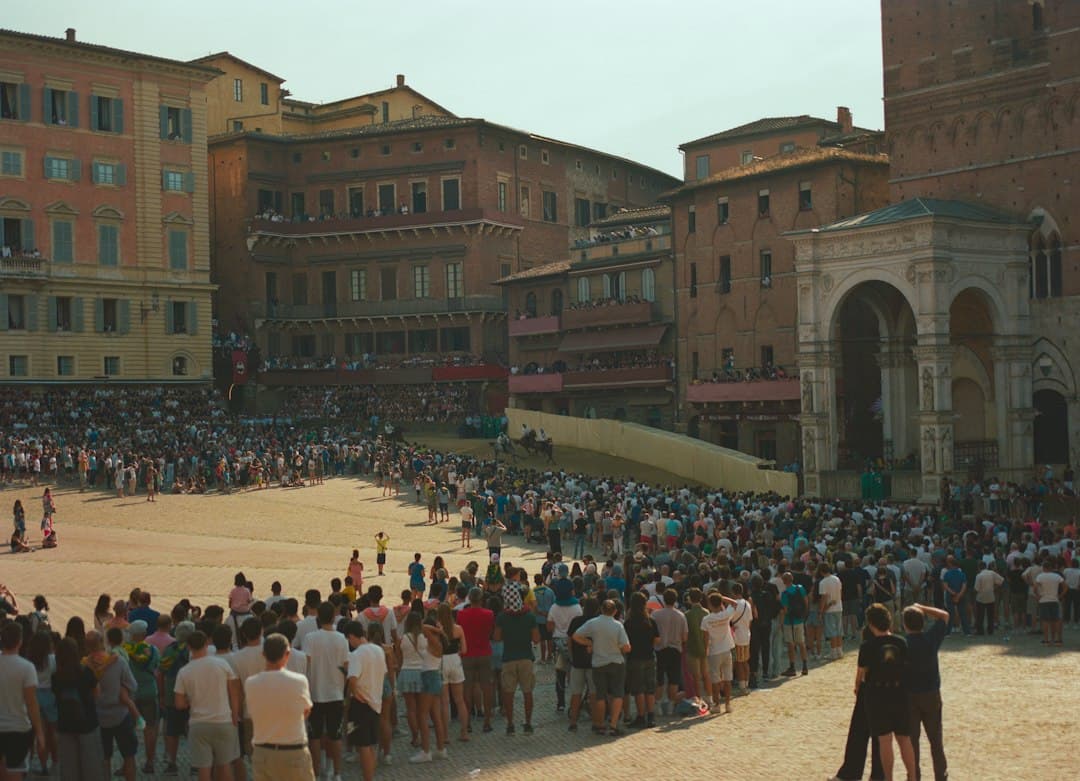
The heart of the city beats on the Piazza del Campo, a square shaped like a seashell[2]. It was laid out as early as the 13th century, and no construction disfigures it today[1]. The Government of the Nine paved it between 1327 and 1349 and divided it into nine radial sectors[4]. Sit down for a while: it feels like a huge amphitheater.
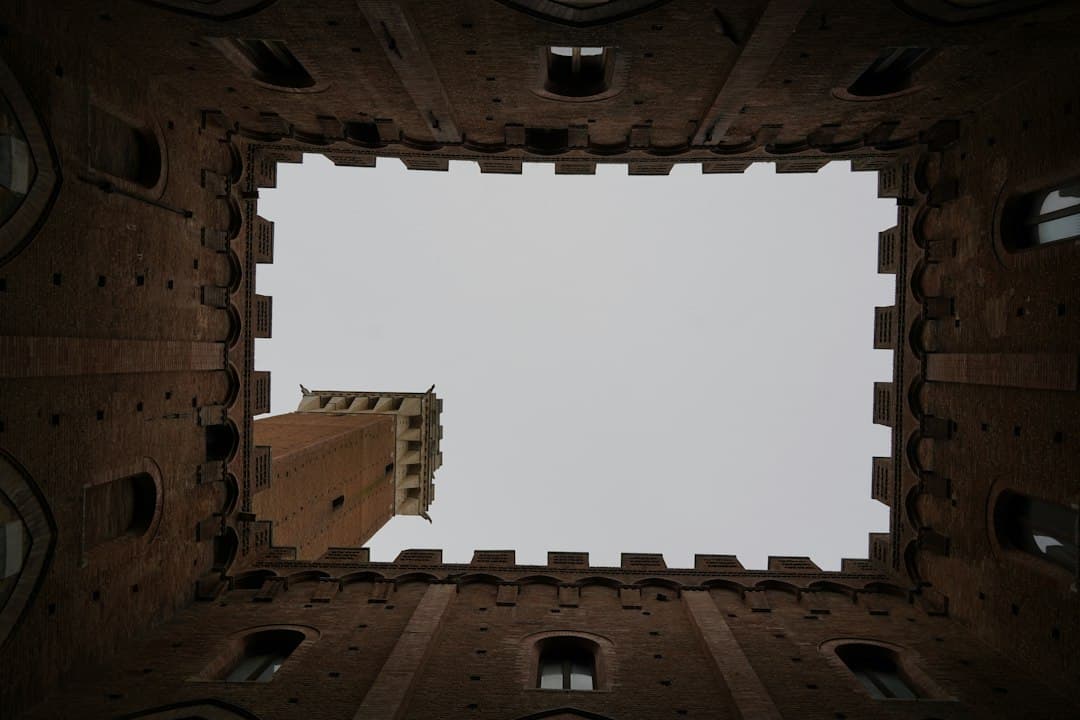
Around the square rise the Palazzo Pubblico, which housed the political and judicial authorities of the Republic of Siena, and its Torre del Mangia, a symbol of the city's power[1]. The tower stands 102 m tall, making it the second highest in Italy[1]. Expect about 400 steps to the top, where the panorama rewards the effort[4]. To climb, it is advisable to book in advance[3].
Inside the Palazzo Pubblico, the masterpiece not to miss is Ambrogio Lorenzetti's "Allegory of Good and Bad Government"[3].
On the square, the Fonte Gaia, the "fountain of joy," owes its name to the celebration held when water first reached the piazza in 1342[5].
Duomo, museums and alleys
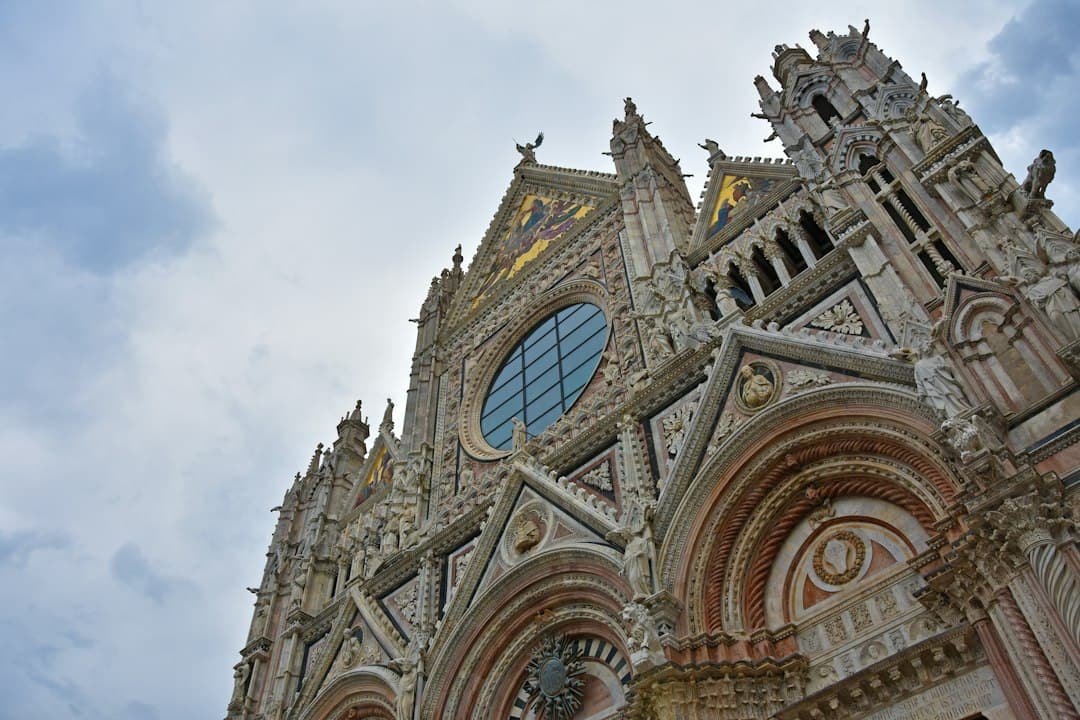
The Cathedral of Santa Maria Assunta is a masterpiece of Italian Gothic architecture, with its façade in white, green and red marble[2]. Its marble inlaid floor, covering 3,000 m², is only uncovered from August to October[1]. If your stay falls in those months, that's a good reason to go in.
Inside the cathedral, the Piccolomini Library is a library described as a hidden treasure[6].
Facing the Duomo, many visitors walk past Santa Maria della Scala without noticing it, which is a mistake[3]. It was one of the first hospitals in Europe, operating for more than 800 years[3]. It now houses museums and works ranging from Etruscan remains to contemporary installations[3]. Beneath the building, Etruscan tunnels reveal Siena's pre-Roman past[3]. The site is labyrinthine: ask for a map with your ticket[4].
At the Museo dell'Opera del Duomo, the great attraction is Duccio di Buoninsegna's Maestà, painted on both sides and once placed above the cathedral's high altar[4].
Between two monuments, get lost in the alleys: the Via di Città winds between tall brick buildings that seem unchanged for centuries[3].
The Palio and the contrade: experiencing Siena from the inside
Twice each summer, on July 2 and August 16, the Palio transforms the Piazza del Campo[3]. Ten horses representing different contrade, the neighborhoods of the city, race across the square in a contest lasting about 90 seconds[3]. The jockeys ride bareback, strategy matters as much as speed, and the winning contrada keeps celebrating for several months[3].
The Siena tourist office puts it this way: coming for the Palio is not just watching a spectacle[7]. It means entering a tradition that is lived more than it is watched.
Outside race days, take the time to explore the contrade[3]. The city has 17 medieval neighborhoods[3], and each has its own museum[3]. The Palio remains a competition between the city's neighborhoods[8], and the Piazza del Campo belongs to everyone, in a city otherwise divided into contrade[4].
At the table and in the shops: the taste of Siena
Food is taken seriously in Siena: its cuisine has a unique flavor, with frank, authentic tastes tied to local products such as legumes, vegetables and meats[7]. Try the pici in a trattoria frequented by locals[3].
The city's historic shops and artisans also tell its story, one of craft, knowledge and traditions passed down over time[7].
On Wednesday mornings, a weekly market is held at the foot of the Fortezza, a good reason to head out of the center toward the Camollia neighborhood, between city and countryside[1].
Around Siena: hills, villages and wine roads
Siena is an ideal starting point for exploring rolling landscapes where history, culture and nature intertwine[2].
- Chianti: this hill region between Florence and Siena has long been considered the “heart of Tuscany”[8]. The Chiantigiana (SR222 road) is billed as Tuscany's equivalent of Route 66, covering 69 km[9].
- Val d'Orcia: listed as a UNESCO World Heritage Site, it offers a particularly harmonious panorama[9].
- San Gimignano: nicknamed the “Manhattan of Tuscany,” this village with its 14 surviving towers is just 30 minutes from Siena[3].
- Buonconvento: about 30 km south of Siena, this medieval village is remarkably well preserved[10].
- Castello di Ama: this Chianti Classico estate has been inviting artists for nearly 20 years, and a guided tour with tasting is needed to see all the works[10].
- Via Francigena: this ancient pilgrimage route crosses Tuscany and passes through Siena, a setting for hiking at the slow pace of walking[2].
- Crete Senesi: southeast of Siena, these clay hills and white gravel roads lend themselves to cycling, mountain biking or e-biking[2].
When to go and how much time to plan
Two days are enough to see the essentials of Siena. One possible itinerary: the Piazza del Campo, the Torre del Mangia and the frescoes of the Palazzo Pubblico on the first morning; the next day, the Fortezza Medicea and the northern neighborhoods, then in the afternoon an excursion to San Gimignano or a deeper dive into Siena's heritage[3].
The calendar can guide your choice of dates:
- July 2 and August 16: the Palio[3].
- August to October: the Duomo's pavement is unveiled[1].
- November 28, 2026 to January 31, 2027: Christmas in Siena, with light displays[7].
- December 31: a concert on the square for New Year's Eve, headlined by Francesco Gabbani[7].
As for exhibitions, the Civic Museum is showing a display on the painter Alessandro Franchi; check its dates before you go[7].
Our tips for organizing your stay
- Book the climb up the Torre del Mangia in advance[3].
- Plan a comfortable budget: Tuscany is one of the most expensive regions in Italy, especially for accommodation[11].
- At restaurants, the “coperto” (cover charge) of €2 to €4 per person is billed automatically[11].
- Extend your stay to the surroundings with an excursion to San Gimignano, Chianti or the Val d'Orcia[3][9].
This article covers the essentials for choosing your stops. Transport, detailed site hours and prices, and accommodation choices require more research before you leave. To place Siena within a broader trip, read “Italy: The Highlights, Region by Region.”
Sources
- 1.^ abcdefghijkroutard.com — Siena, Tuscany's other gem: “In 1995, Siena made its entry into the highly exclusive list of sites inscribed on UNESCO’s World Heritage List.” ; “The historic center (170 ha) is considered the perfect embodiment of the medieval urban ideal, a Gothic dream realized between the 12th and 15th centuries.” ; “A jewel of Tuscany, Siena now continues its historic rivalry with Florence, this time on the tourism front, rightly attracting visitors all year round.” https://www.routard.com/reportages-de-voyage/cid138475-sienne-que-voir-que-faire.html (accessed November 12, 2026)
- 2.^ abcdefroutard.com — Visit Siena and its surroundings: plan your stay and trip to Siena and its surroundings | Routard.com: “The city has managed to preserve its appearance, acquired between the 12th and 15th centuries, offering visitors a true journey through time.” ; “This square, unique in its shell-like shape, is the iconic place where the famous horse race, the Palio, takes place twice a year.” ; “The Cathedral of Santa Maria Assunta (Duomo) is a masterpiece of Italian Gothic architecture. Its façade is made of white, green and red marble.” https://www.routard.com/fr/guide/europe/italie/toscane/sienne-et-ses-environs (accessed November 12, 2026)
- 3.^ abcdefghijklmnopqrstutootbus.com — What to do in Siena? Top 10 activities | Tootbus: “Less crowded than Florence, Siena has retained a strong local identity and an authentic atmosphere.” ; “Its historic center, largely closed to traffic, is easy to discover on foot.” ; “Climb the Torre del Mangia, booking in advance, then admire the frescoes of the Palazzo Pubblico.” https://www.tootbus.com/fr/tuscany/inspiration/que-faire-sienne (accessed November 12, 2026)
Show 8 more sourcesShow less
- 4.^ abcdelonelyplanetitalia.it — Cosa vedere a Siena in due giorni - Lonely Planet: “Paved between 1327 and 1349 by the Government of the Nine, who made it the symbol of their power (and that is why it is divided into nine radial sectors), it is a harmonious semicircle of buildings facing the center, giving it the appearance of a giant amphitheater.” ; “Tackle the 400 steps leading to the top of the Torre del Mangia, where the view will leave you speechless.” ; “A place that disorients (you have been warned, ask for a map with your ticket) and captivates.” https://www.lonelyplanetitalia.it/articoli/citta-del-mondo/due-giorni-a-siena (accessed November 12, 2026)
- 5.^florencesite.fr — Visiting Siena in Italy - 10 things to do in Siena: “When water first reached the square in 1342, a celebration was held in great joy. That is why the fountain bears its name: Fonte Gaia means Fountain of Joy.” https://florencesite.fr/sienne.html (accessed November 12, 2026)
- 6.^routard.com — Visit Siena: plan your stay and trip to Siena | Routard.com: “The Libreria Piccolomini: located inside the cathedral, this library is a hidden treasure.” https://www.routard.com/fr/guide/europe/italie/toscane/sienne-et-ses-environs/sienne (accessed November 12, 2026)
- 7.^ abcdefvisitsiena.it — Homepage | Visit Siena Official: “Coming to Siena for the Palio is not just about watching a show.” ; “Dining is a serious matter in Siena, as it is rooted in a long tradition: Sienese cuisine has a unique taste, with frank, recognizable and authentic flavors, tied to local products such as legumes, vegetables and meats.” ; “The historic shops and artisans of Siena tell an authentic story of the city, made of gestures, knowledge and traditions passed down over time.” https://www.visitsiena.it/en (accessed November 12, 2026)
- 8.^ abitalia.it — Things to do & Cities to visit in Tuscany - Italia.it: “The traditional Palio, an equestrian competition between the city’s districts, takes place every year between July 2 and August 16.” ; “The Chianti, a hilly area stretching between Florence and Siena, Arezzo and the hills of Pisa, has long been considered the heart of Tuscany.” https://www.italia.it/en/tuscany (accessed November 12, 2026)
- 9.^ abcroutard.com — Tuscany: the essentials | What to do, what to see, what to visit? : “The Chianti road, the Chiantigiana known as SR222, is to Tuscany what Route 66 is to the United States.” ; “The Val d’Orcia, a UNESCO World Heritage Site, offers a particularly harmonious panorama.” https://www.routard.com/fr/guide/top/europe/italie/toscane (accessed November 12, 2026)
- 10.^ abnationalgeographic.fr — Road trip through the sublime Tuscan countryside | National Geographic | National Geographic: “About 30 km south of Siena lies Buonconvento, a remarkably well-preserved medieval village.” ; “For nearly 20 years, the owners of the vineyard have invited artists, such as Anish Kapoor and Louise Bourgeois, to create installations displayed in the cellar and on the estate, which has become an open-air museum.” ; “A guided tour combined with a tasting is required to discover them all.” https://www.nationalgeographic.fr/voyage/road-trip-a-travers-la-sublime-campagne-toscane (accessed November 12, 2026)
- 11.^ abroutard.com — Tuscany travel guide | Plan a vacation in Tuscany | Routard.com: “Tuscany is one of the most expensive regions in Italy, especially for accommodation, where the budget to plan is quite substantial.” ; “Beware of the coperto (cover charge) of €2 to €4 per person, automatically billed at the restaurant.” https://www.routard.com/fr/guide/europe/italie/toscane (accessed November 12, 2026)