Traveling solo in Bali raises three very practical questions: who to explore the island with, where to get psychological support in English, and how to judge a group trip. This article gives you the official guidance on entry, scooters, health, and safety, price ranges for therapy sessions, and the pitfalls to know before committing to a trip of several weeks.
Meeting people in Bali: where and how
Your first week in Bali comes down to five tasks: arriving with the right visa, getting through the airport with your arrival card and tourist levy sorted, having a phone and a legal way to get around, organizing your money, and walking into a room with people building the same things you are[1]. For the last one, the advice is to buy a few day passes before committing to a month in a coworking space, since these places often open and close[1].
Another way in: informal support groups. Several groups, more or less structured, operate in Bali, often organized via Facebook or WhatsApp[2].
A paradox to keep in mind: the social scene is huge, yet many expats say they feel lonely despite a constant social life[2]. Surface-level exchanges at coworking spaces and beach clubs don't replace real friendships, and since the community is transient, the people you meet often leave after a few weeks or a few months[2].
Practical takeaway: before setting off as a pair on a long trip, test your compatibility over a few days, for example a short excursion or a first shared week, rather than booking several weeks together right away.
Exploring the island by scooter: license and entry rules
To drive, visiting riders must hold a valid French driver's license together with an International Driving Permit, which should be obtained in France before departure[3]. Motorized two-wheelers in Indonesia are generally 150 cc vehicles, for which an International Driving Permit is mandatory[3].
On entry, your passport must be valid for more than 6 months from your arrival date and have enough blank pages for visas and stamps[4]. Before arriving, you must complete the online All Indonesia form, which combines the customs declaration and the health declaration[4]. French nationals staying less than 30 days can obtain a paid visa on arrival, valid for 30 days, single entry[4]. It can only be issued for tourism, transit, or a family or social visit[4].
Authorities require a return ticket or other proof of onward travel[4]. The stay can be extended once, by 30 additional days, through immigration services on site[4]. Finally, since February 14, 2024, a levy of 150,000 IDR (about €7.50) is due on each entry into Bali for tourist stays[4].
Getting mental health support: how the system works
In the public system, mental health care runs through the national insurance scheme BPJS Kesehatan: you start at a community health center (puskesmas), then get referred to specialists[5]. Direct access to a specialist isn't provided in the public system: patients must go through the puskesmas[5].
On the private side, consultations are available, notably in Jakarta and Bali, and English-speaking practitioners can be found[5]. Note the difference in roles: psychologists provide talk therapy but are not authorized to prescribe medication[5]. Their practice is regulated nationally by the Indonesian Psychological Association (HIMPSI)[5].
For healthcare in general, private hospitals are preferable to public ones[6].
Finding an English-speaking therapist: benchmarks and costs
Here are the price ranges reported by a private (unofficial) guide, to be taken as benchmarks rather than fixed rates:
- in-person therapy session with an English-speaking therapist: 500,000 to 1.5 million IDR (about $31 to $94 USD)[2];
- psychiatrist consultation at a hospital: 500,000 to 1 million IDR[2];
- online therapy platforms used from Bali: $60 to $100 USD per week, with unlimited messaging and weekly video sessions[2].
If you're considering a therapist based abroad, international platforms are technically accessible from Indonesia, but they fall under the regulatory framework of their country of registration, not Indonesian law[5]. Check whether the practitioner understands the local context, and whether your insurer reimburses sessions with a provider based abroad[5].
Wellness retreats, cacao ceremonies, breathwork, or healing sound sessions are very common in Bali and can bring temporary relief and a sense of community, but they do not replace therapy for clinical depression, anxiety disorders, or trauma[2]. For help in a crisis, the same guide cites the suicide prevention association Into The Light Indonesia and the NGO Yayasan Pulih, some of whose services are offered in English[2].
Taking Care of Yourself When Traveling Alone
Among the sources of vulnerability described among expats: visa stress, that constant awareness that your right to stay depends on paperwork, fees, and administrative decisions, which creates a background stress that is often underestimated[2]. “Bali burnout” refers to a pattern of exhaustion and disillusionment that affects people who have been settled for several months to two years[2]. In this phase, friendships can seem superficial, and the trips to renew your visa feel like a chore[2].
Local social life normalizes daily alcohol consumption[2]: keep an eye on your own. Learning Bahasa Indonesia reduces isolation and opens richer exchanges with Balinese people, even with just a few basics[2].
Before you leave, consult your general practitioner or an international vaccination center well in advance, so that vaccines can be updated if needed[6]. An assistance contract or insurance covering all medical expenses, including hospitalization, and medical repatriation is essential[6].
Group Travel: Insurance, Taxis, and Boat Transport
Before you pay, make sure you are properly insured: French authorities remind travelers of this at the top of each of their country pages[3]. For taxi rides, use reputable companies and vehicles equipped with a meter; avoid two-wheelers booked through apps[3].
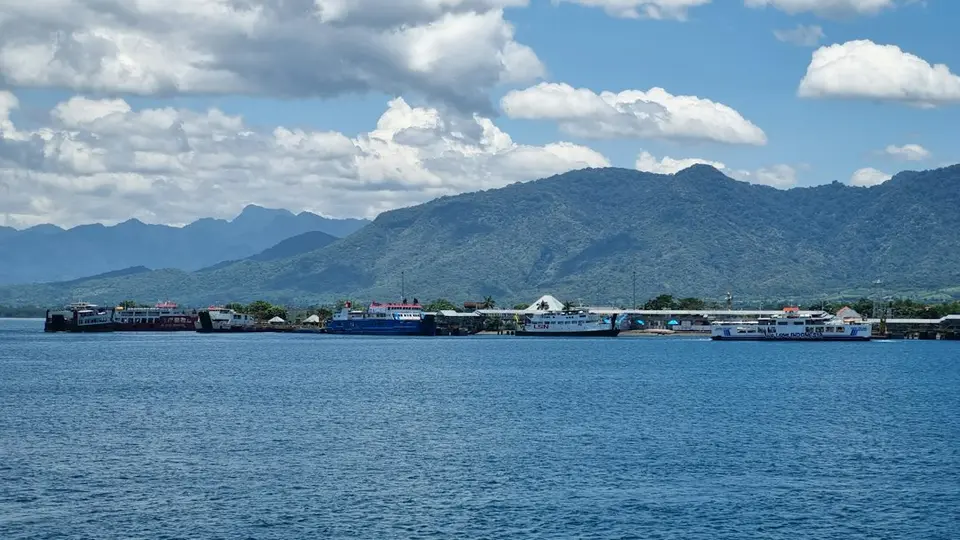
Boat transport deserves particular attention. Shipwrecks regularly claim victims, with old vessels and companies that take on more passengers than the recommended capacity[3]. Onboard safety equipment is often deficient, for example due to a lack of lifeboats or life jackets in sufficient numbers[3]. It is recommended to avoid this mode of transport if possible, especially during the rainy season and tropical storms (January to March)[3]. Any maritime activity in Indonesian territorial waters must first obtain the approval of local authorities[3]: ask your organizer what they have obtained and what is included in the contract.
Traps, Scams, and Points of Vigilance
- Drinks offered by strangers: several cases of loss of consciousness have been reported; drugged people are robbed of their belongings and wake up with no memory of their attackers[7].
- Bank card: scams have been reported; never let your card out of your sight[7].
- Petty crime: bag snatching is on the rise in tourist areas, including Bali, with a sharp increase ahead of major holidays (New Year's Day, Idul Fitri)[7].
- Overstaying: a fine of one million rupiah (about 50 euros) per day during the first 60 days; beyond that, deportation at the traveler's expense and an entry ban, without exception[4]. A foreigner who has overstayed will not be allowed to leave the country until the fine is paid[4].
- Damaged passport: many French travelers are refused entry because of torn pages or a worn cover, and are sent back to France[4].
- Drugs: possession, regardless of quantity (from 0.2 g), is punishable by prison for several months to several years, along with a very heavy fine[3]. Trafficking can carry the death penalty[3].
- Medication: psychotropic drugs (anxiolytics) are considered narcotics in Indonesia; carry your prescription and a supply matching the dosage, plus a few extra tablets in case your stay is unintentionally extended[6]. Medications must remain in their original packaging[6].
- Hospitals: they provide no care without approval of insurance coverage or, failing that, a credit card number to be charged[6].
- Remote work on a tourist visa: being physically in Bali to do professional work, even for a foreign client, counts as work, and according to a private guide the usual penalty is deportation, a heavy fine and an entry ban of six months to two years, at the person's own expense[8].
Natural and Road Risks
The risk of earthquakes is high in Indonesia[7]. The coastline, including Bali's tourist areas, is exposed to tsunami risk, and most of the coastline has no warning sirens[7]. Follow the instructions and evacuation routes issued by local authorities[7]. The Indonesian institute BMKG offers a mobile app that provides live earthquake and tsunami alerts[7].
About twenty active volcanoes are under specific monitoring: check before any hike near them and strictly follow local instructions[7]. During the rainy season, floods and landslides are frequent; extreme caution is advised, especially in rural areas[7].
Steps, in Order
- Before departure: passport in good condition and valid for more than 6 months, health insurance with repatriation coverage, international driving permit, prescriptions and medications in their original packaging.
- Identify in advance an English-speaking therapist and a private hospital to go to in an emergency.
- Before arrival: complete the All Indonesia form, which can be done within the 72 hours before arrival[4], and pay the Bali tourist levy.
- First week: try a few day passes at coworking spaces and local groups before committing to a long-term membership or a travel companion.
- Before booking a group trip: have the terms, insurance and permits for any sea activity confirmed in writing.
- What this article does not cover in detail: choosing a long-term visa, step-by-step visa procedures and vetting a group agency require further research before you truly settle in.
Sources
- 1.^ abbalistartupandtech.com — Moving to Bali Checklist 2026: Your First Week as a Remote Entrepreneur | BSTC: “Your first week in Bali comes down to five tasks: arrive with the right visa, get through the airport with the arrival card and tourist levy settled, have a phone that works and a legal way to get around, organize your money without unnecessary fees, and step into a room with people building the same thing you are.”; “Buy a few day passes before committing for a month, since Bali's spaces often open and close.” https://www.balistartupandtech.com/blog/new-to-bali-first-week-checklist (accessed November 22, 2026)
- 2.^ abcdefghijklmbalizero.com — Mental Health in Bali 2026: Therapists & Support Guide: “Several informal and semi-formal support groups operate in Bali, often organized via Facebook or WhatsApp.”; “Bali has an enormous social scene, yet many expats say they feel lonely despite a constant social life.”; “Surface-level exchanges at coworking spaces and beach clubs don't replace real friendships, and because the community is transient, the people you connect with often leave within a few weeks or months.” https://balizero.com/living/mental-health-bali (accessed November 22, 2026)
- 3.^ abcdefghijdiplomatie.gouv.fr — Indonesia - Useful Information | France Diplomatie: “To drive, travelers must hold a valid French driver's license, along with an International Driving Permit, to be requested in France before departure.”; “Motorized two-wheelers on Indonesian roads are generally 150 cc vehicles, for which an International Driving Permit is mandatory.”; “Before traveling, it is essential to verify that you are properly insured.” https://www.diplomatie.gouv.fr/fr/information-par-pays/indonesie/conseils-aux-voyageurs-informations-utiles (accessed November 22, 2026)
Show 5 more sourcesShow less
- 4.^ abcdefghijkdiplomatie.gouv.fr — Indonesia - Entry / Stay | France Diplomatie: “Travelers must have a passport valid for more than 6 months beyond the date of entry into Indonesia, with enough blank pages for the visa and entry and exit stamps.”; “To enter Indonesia, you must complete the online All Indonesia form, which combines the customs declaration and the health declaration in a single procedure.”; “The online All Indonesia form can be completed during the 72 hours before arrival in Indonesia.” https://www.diplomatie.gouv.fr/fr/information-par-pays/indonesie/conseils-aux-voyageurs-entree-sejour (accessed November 22, 2026)
- 5.^ abcdefgexpatfocus.com — Indonesia - Mental Health - Expat Focus: “Public mental health care goes through BPJS Kesehatan: you start at a community health center (Puskesmas) before being referred to specialists.”; “Direct access to a specialist is not how the public system is designed; patients must enter through the Puskesmas.”; “Private therapy options exist, especially in Jakarta and Bali, and English-speaking practitioners can be found.” https://www.expatfocus.com/indonesia/guide/indonesia-mental-health (accessed November 22, 2026)
- 6.^ abcdefdiplomatie.gouv.fr — Indonesia - Health | France Diplomatie: “Private hospitals are preferable to public hospitals.” ; “These indications do not exempt the traveler from a consultation with their treating physician and/or at an international vaccination center, sufficiently long before the departure date to allow for booster vaccines if necessary.” ; “It is imperative to hold an assistance contract or insurance covering all medical expenses (including surgery and hospitalization) and medical repatriation, at the risk of being denied access to care, including in cases of life-threatening emergencies.” https://www.diplomatie.gouv.fr/fr/information-par-pays/indonesie/conseils-aux-voyageurs-sante (accessed November 22, 2026)
- 7.^ abcdefghidiplomatie.gouv.fr — Indonesia - Security | France Diplomatie: “Several cases of loss of consciousness have been reported after ingesting drinks offered by strangers. Once drugged, people are robbed of their belongings and wake up with no memory of their attackers.” ; “Cases of credit card fraud have been reported. Great caution is advised when using this payment method (never let your card out of your sight).” ; “There is an upsurge in petty crime (bag snatching) in tourist areas (Bali, Lombok, Jakarta, etc.), with a sharp increase in offenses as major holidays approach (New Year’s Day, Idul Fitri).” https://www.diplomatie.gouv.fr/fr/information-par-pays/indonesie/conseils-aux-voyageurs-securite (accessed November 22, 2026)
- 8.^thehoneycombers.com — Digital Nomads in Bali: Your Complete 2026 Guide: “Indonesian immigration cares about where your body is, not where your money comes from: if you are physically in Bali for professional work, even for a foreign client, it counts as work.” ; “If you are caught working on the wrong visa, the usual penalty is deportation, a heavy fine and a ban of six months to two years, at your own expense.” https://thehoneycombers.com/bali/digital-nomads-in-bali-guide/ (accessed November 22, 2026)