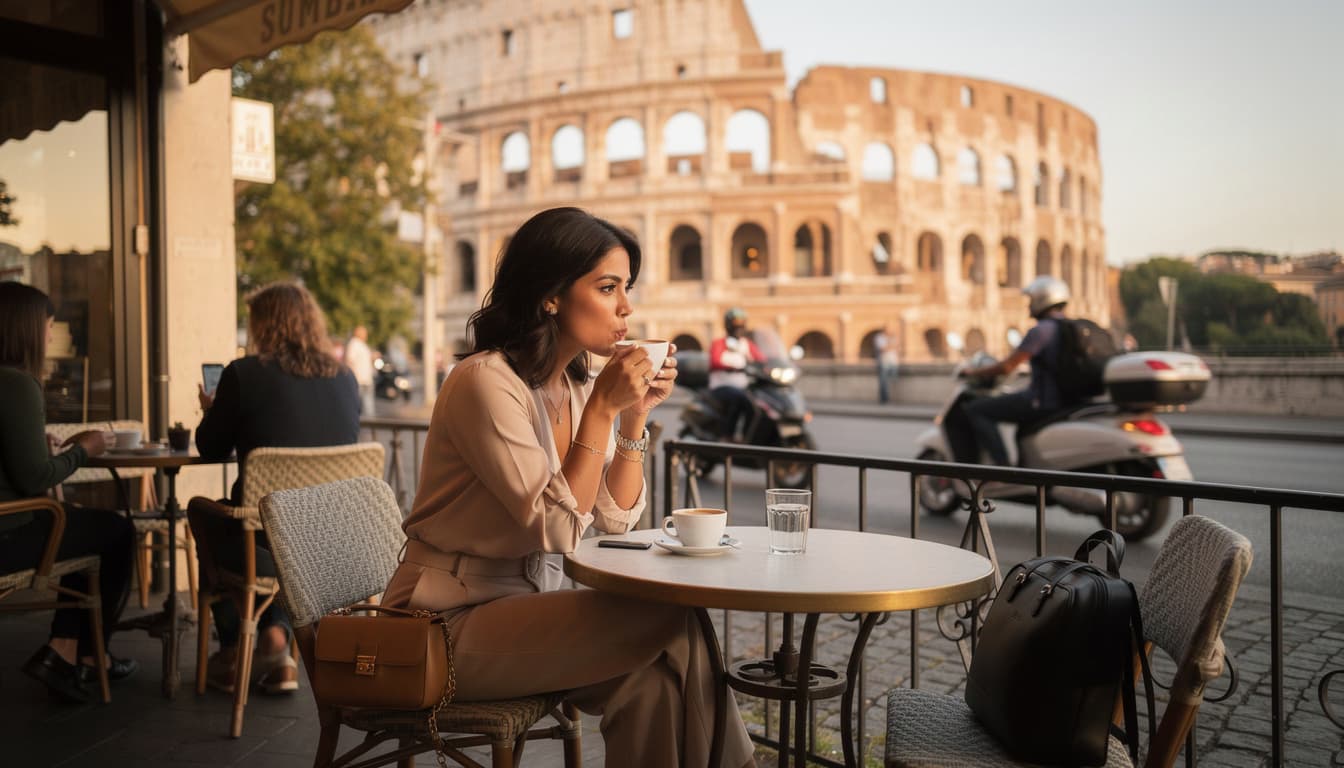
Rome reveals itself layer by layer: Antiquity, the Vatican and its museums, then the Baroque center and the neighborhoods made for wandering. This article helps you pick the essentials, string your visits together in a sensible order, and spot the practical details that matter: booking the Colosseum, the Pantheon's rates and hours, and the best season to visit.
Rome, a city of layers: what makes its identity
Rome is both magnificent and overwhelming. As you explore it, you pass ancient marble ruins, a maze of medieval streets, early Christian churches, large Renaissance buildings and statues, Baroque fountains and facades, 19th-century apartment blocks, and 21st-century traffic[1].
To find your way, you can think of the city in three sets: ancient Rome, the Vatican and its museums, and the Baroque center. The Pantheon sums up this continuity well: completed around 125 under the emperor Hadrian, the temple was turned into a Christian church in 609, which largely explains why it survived while the rest of ancient Rome was used as a source of building materials[2].
Ancient Rome: the Colosseum, the Forum and the Palatine
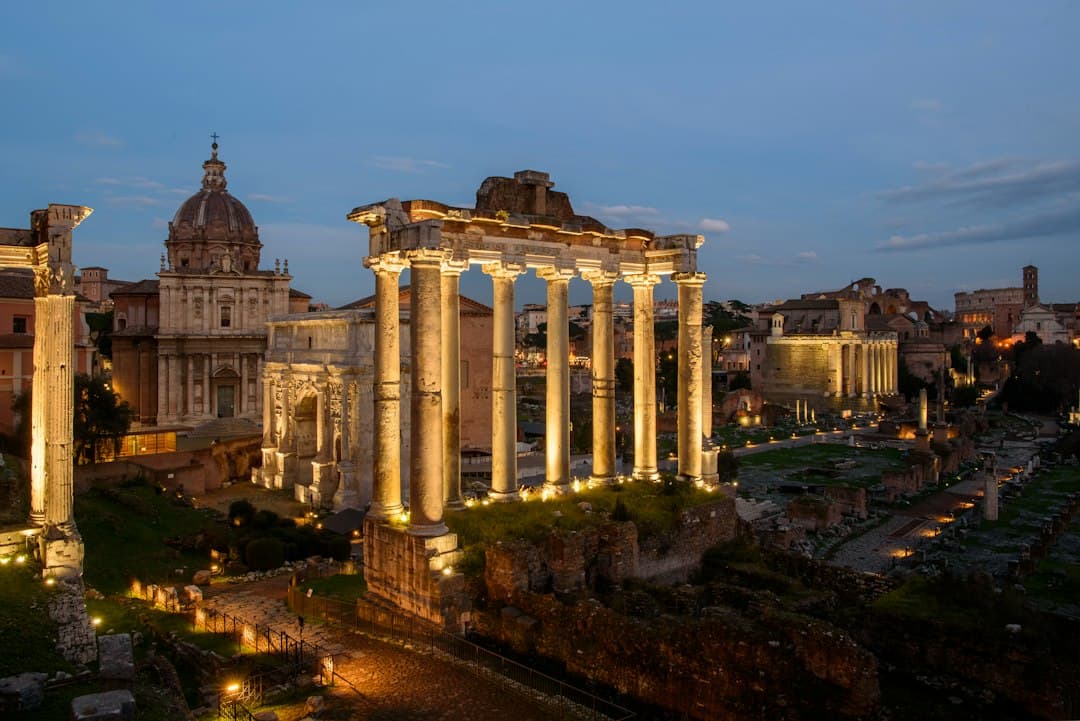
Start with the Forum, which was the beating heart of political and civic life in ancient Rome[3]. It was the city's administrative center, a complex of buildings, monuments, streets and squares where public life unfolded. Remains of the Temple of Vespasian and Titus, the Arch of Septimius Severus and the Basilica of Maxentius still stand amid the modern city[3].
The Colosseum, the Forum and the Palatine are best visited together: the combined ticket is valid for 24 hours and gives single entry to the Colosseum (first and second levels, excluding the arena) and single entry to the archaeological areas of the Roman Forum and the Palatine[4].
From Piazza Venezia, the famous Cordonata, a broad staircase, leads up to the Capitoline Hill and Piazza del Campidoglio, largely designed by Michelangelo[3]. The two palaces lining the square house the Capitoline Museums, the first public museum in the world[3].
Highlights include the bronze Capitoline Wolf, the central figure in the legend of Romulus and Remus, the original statue of Marcus Aurelius, Bernini's Head of Medusa, and paintings by Caravaggio, Guercino, Tintoretto, Veronese and Titian[3].
To get your bearings, then head up to the Monument to Victor Emmanuel II, a gigantic building celebrating Italian unification, whose "Rome from the Sky" elevator offers a 360° view over the city[1].
The Vatican: museums, the Sistine Chapel and St. Peter's
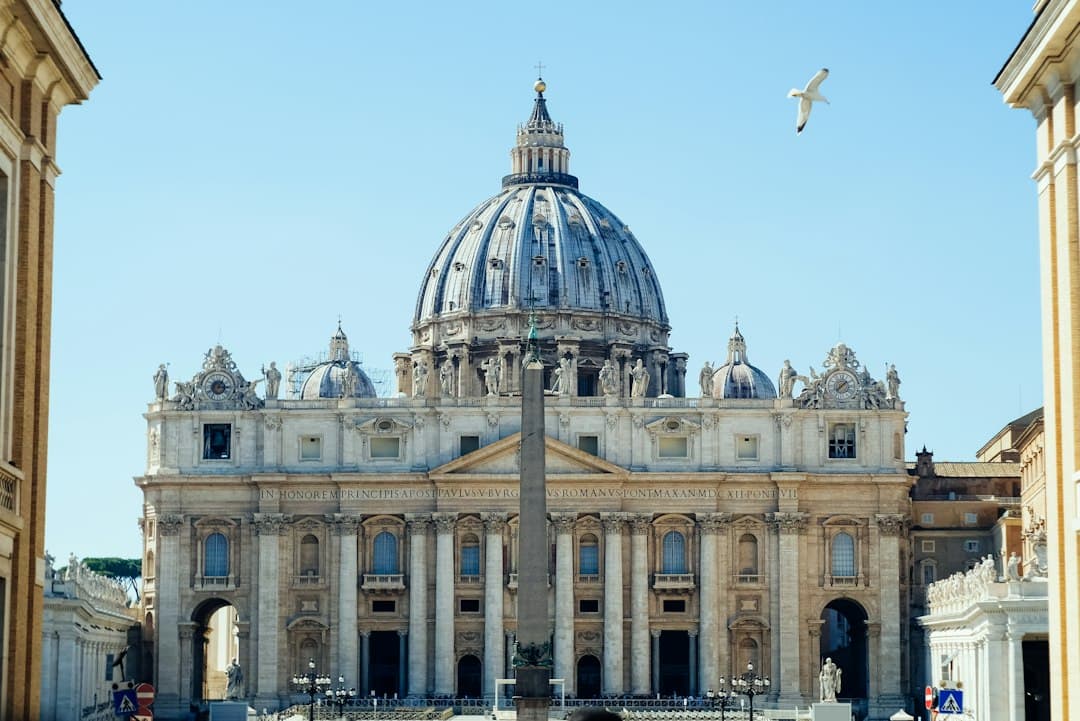
The Vatican Museums hold more than four miles (over six kilometers) of the finest Western art, leading to Michelangelo's Sistine Chapel[1]. The complex is immense, so it's wiser to choose a selection than to try to see everything. The Vatican is one of the sites you should book online for a specific time slot, even outside peak season[5].
St. Peter's Basilica houses Michelangelo's Pietà in the first chapel on the right side of the nave, the only work bearing his signature: it appears on the band crossing the Virgin's chest[3].
The Baroque center: the Pantheon, Trevi, Navona and Campo de' Fiori
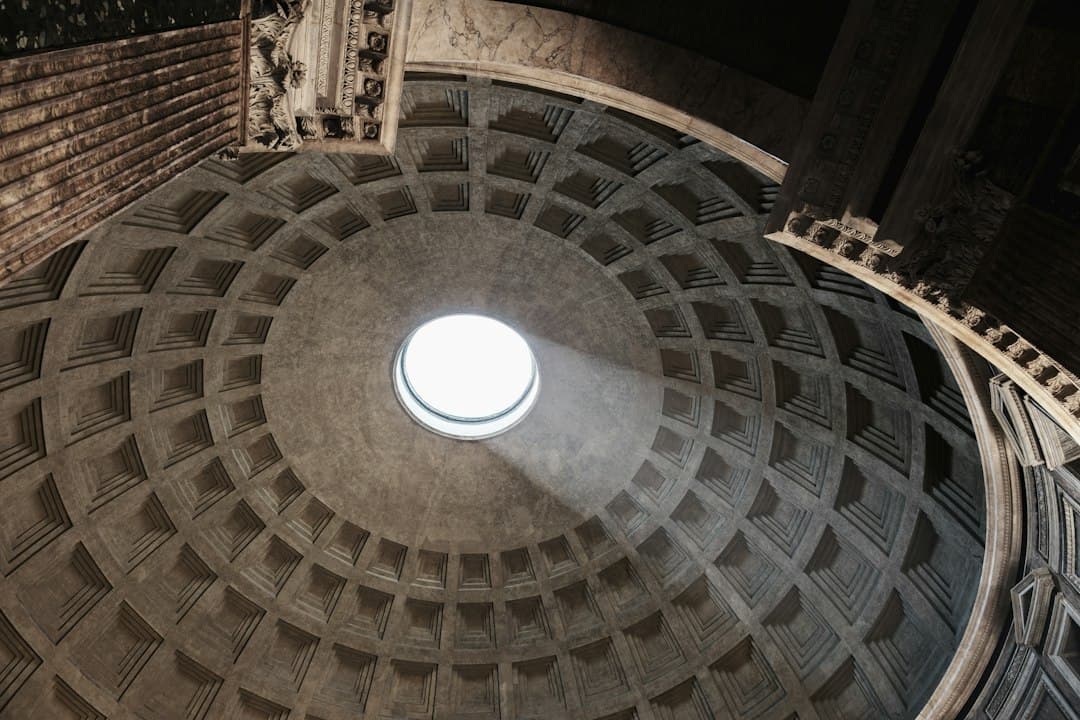
The Pantheon is the best-preserved building of ancient Rome, with its original dome intact[2]. Its oculus, a nine-meter opening to the sky, floods the interior with a shaft of light that slowly moves across the day[2]. Its unreinforced concrete dome remains the largest ever built[2].
The Trevi Fountain is famous for a well-known scene from Fellini's "La Dolce Vita"[3]. Standing with your back to the fountain, tradition says you toss a coin over your shoulder to vow that you will return to Rome[3]. On the right side of the square, the small Fontanella degli Innamorati: according to legend, couples who drink from it stay together forever[3].
Piazza Navona, a symbol of the Baroque era, is built on the former track of Domitian's stadium and is just steps from Campo de' Fiori[3]. Here you can admire Bernini's Fountain of the Four Rivers and Borromini's church of Sant'Agnese in Agone[3]. Whether it's a morning coffee or an evening aperitif, the square remains a favorite meeting point[3].
Museums and Art Collections
The Borghese Gallery, in the heart of the Villa Borghese park, houses one of the city's most important art collections[6]: you'll find works by Caravaggio, Raphael, Titian, Correggio, Bernini, and Canova[3].
The Doria Pamphilj Gallery holds one of the richest private collections in the capital, with works by Raphael, Caravaggio, Titian, Tintoretto, Brueghel, Bernini, and Velázquez[7]. Rome's palaces are full of collections like this, from Palazzo Colonna to many others[6].
For modern and contemporary art, the Galleria Nazionale and the MAXXI offer collections of contemporary artists that are well worth the trip[6]. The Capitoline Museums, already mentioned, complete the picture on the ancient side[3].
Neighborhoods to Explore: Trastevere, San Lorenzo, Pigneto
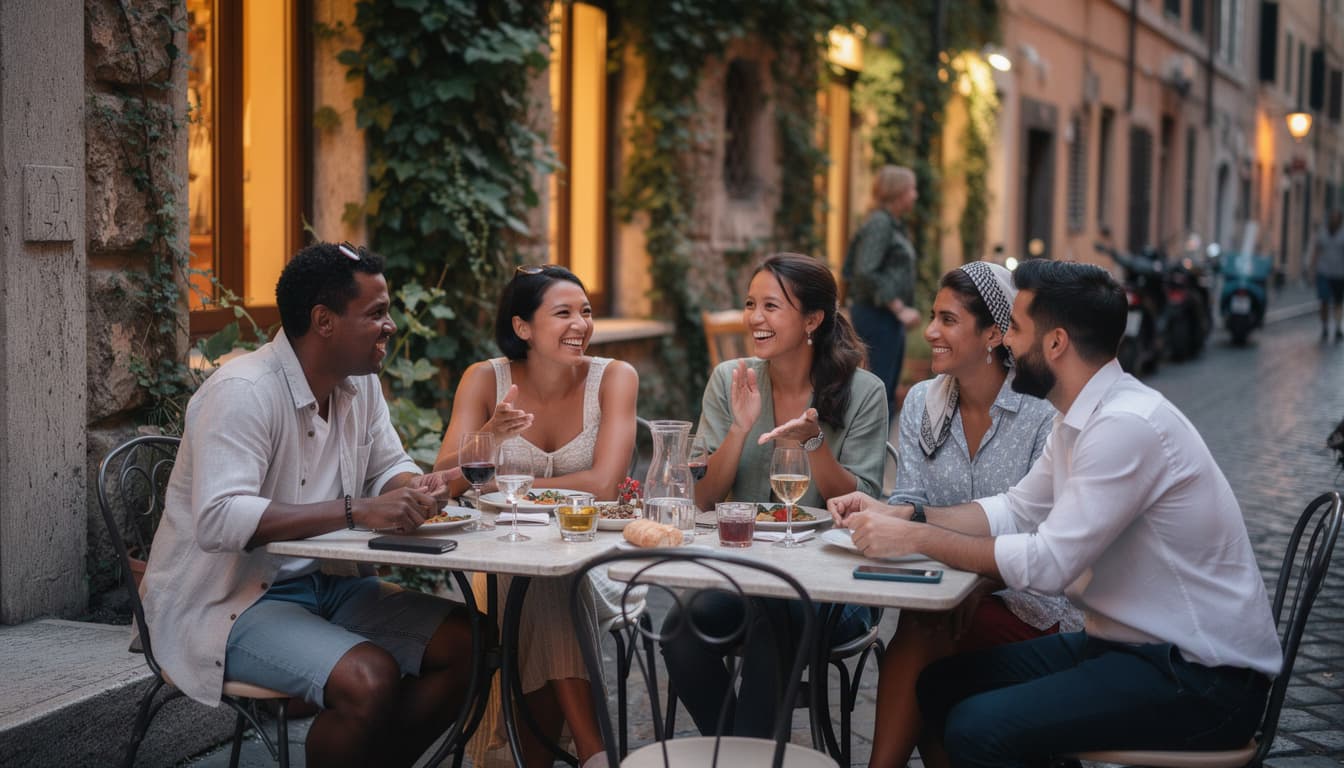
Trastevere charms with its labyrinthine lanes, old-fashioned trattorias, and lively squares[7]. Foreigners love the neighborhood and come to live out their Roman fantasy[7]. It's also one of the most appealing areas for food lovers, with its cobblestone streets, family-run trattorias, pizzerias, and wine bars[5].
San Lorenzo, which began as a shantytown in the 19th century and is known for its anti-fascist history, is today a gathering spot for bohemians, avant-garde artists, and students from the nearby La Sapienza university[7]. To the east, Il Pigneto has become one of the city's most in-demand neighborhoods, a mix of community spots for Africa's diaspora, counterculture, and new bars and boutiques. Go in the evening, when the local bohemians fill the bars[7].
Parks, Villas, and Green Escapes
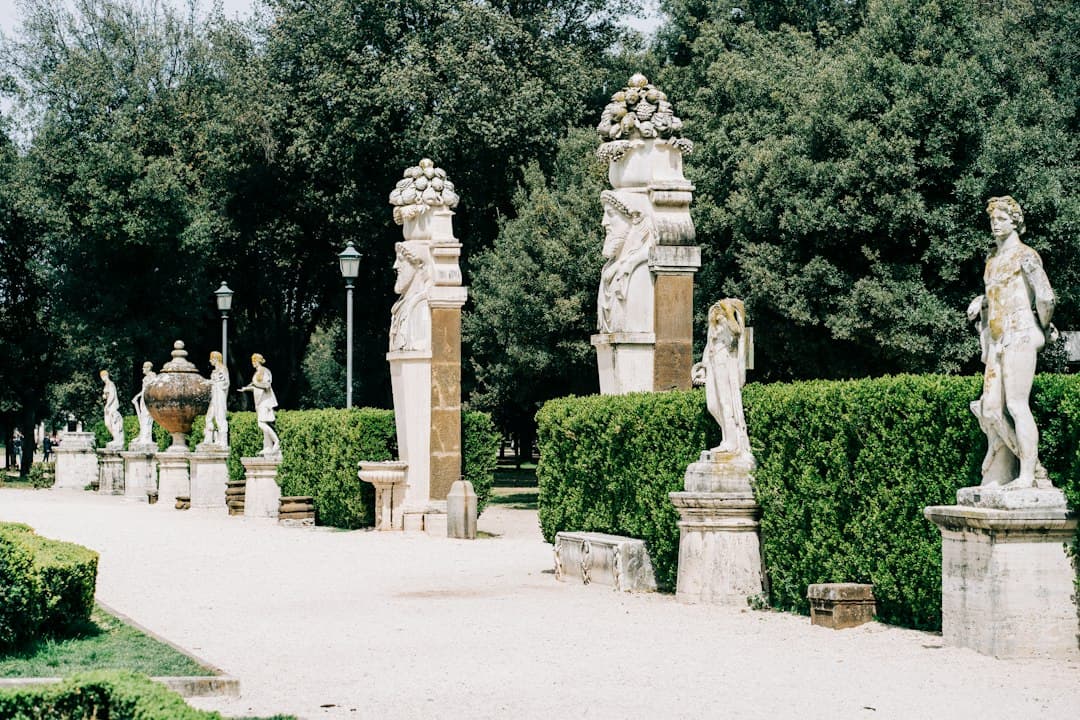
Villa Borghese is Rome's most famous park: 80 hectares in the Pinciano district, right in the center, with a lake where you can go boating, beautiful gardens, many walking paths, cinemas and stages, and the Borghese Gallery[6].
Another green break: the Colle Oppio park, one of Rome's most beloved historic gardens, has regained its historic appearance and original character[8]. Rome is said to have more hectares of greenery than any other city in Europe[6].
Roman Flavors and Evening Life
Rome is one of the best cities in Italy for sampling all kinds of aperitivi, since every bar does things a little differently[6]. For a luxury terrace, Terrazza Borromini overlooks Piazza Navona; for cocktails, try Freni e Frizioni in Trastevere[6].
To taste local products on a budget, you're better off spending time at the city's food markets than booking one fancy restaurant after another[6]. Trastevere is still a great choice for dinner[5].
When to Go, How Long to Stay, and How to Plan Your Visits
The low tourist season runs from November to February, excluding the Christmas and New Year holidays: fewer crowds, temperatures between 4 and 13 °C, and cheaper hotels and flights[9]. Spring is ideal for gardens like those at Villa Borghese; summer, with temperatures of 30 to 35 °C in July and August, brings lively evenings and cultural events, with mornings and evenings more pleasant for sightseeing[9].
Plan on three days to discover the major ancient sites, explore Vatican City, admire the Baroque fountains, and enjoy Italian cuisine[5].
- Colosseum: booking a timed entry slot is mandatory, and tickets go on sale 30 days before your visit date[4].
- Pantheon: €7 full price since July 1, 2026[2]; open daily from 9:00 am to 7:00 pm[2]; free on the first Sunday of each month, without online booking[2].
- Pantheon: opening hours may vary during religious celebrations, and ticket sales stop one hour before services[2].
Where to Buy Tickets for the Colosseum, the Forum, and the Palatine
For the Colosseum, the Forum, and the Palatine, the archaeological park's website is the source for tickets and time slots[4].
Steps, in Order
- Choose your period: low season for quiet, spring for the gardens, summer for the evenings.
- Book your Colosseum time slot in advance (combined ticket with the Forum and the Palatine) and a time slot for the Vatican.
- Day 1: Forum, Palatine, and Colosseum, then the Capitoline Hill and its view over the Forum.
- Day 2: Vatican, with a selection of the museums, the Sistine Chapel, and Saint Peter's Basilica.
- Day 3: Pantheon, Piazza Navona, Trevi, then an evening in Trastevere.
- With more time: Galleria Borghese and Villa Borghese, Galleria Doria Pamphilj, San Lorenzo, and Pigneto.
- What this article does not cover in detail: transportation, the exact opening hours of each museum, and restaurant addresses, which are worth researching more thoroughly to really settle in.
Sources
- 1.^ abcricksteves.com — Rome Travel Guide by Rick Steves: “By peeling back its fascinating, tangled layers, you find marble ruins from antiquity, the winding streets of the medieval world, early Christian churches, great Renaissance buildings and statues, Baroque fountains and facades, 19th-century buildings, 21st-century traffic, and nearly three million residents.”; “Monument to Victor Emmanuel: a gigantic building celebrating Italian unity, with the Rome from the Sky elevator ride up to a 360° view of the city.”; “Vatican Museums: four miles of the best of Western civilization's art, culminating in Michelangelo's glorious Sistine Chapel.” https://www.ricksteves.com/europe/italy/rome (accessed November 23, 2026)
- 2.^ abcdefghmusa.guide — Pantheon: visiting guide | Musa: “Completed around 125 AD under Emperor Hadrian, the temple was converted into a Christian church in 609, which largely explains why it survived while the rest of ancient Rome was quarried as a source of building materials.”; “Nearly two thousand years old and still standing, with its original dome intact, it is the best-preserved building of ancient Rome and arguably the most influential architectural work in Western history.”; “At its center, the oculus, a nine-meter opening to the sky, floods the interior with a shaft of light that slowly moves over the course of the day.” https://www.musa.guide/fr/discover/rome/pantheon (accessed November 23, 2026)
- 3.^ abcdefghijklmnitalia.it — Rome: Attractions to see & Things to do - Italia.it: “The Forum was the beating heart of political and civic life in ancient Rome. It was the city's administrative center, a complex of buildings, monuments, streets, and squares where Rome's public life unfolded.”; “From Piazza Venezia, climbing the famous Cordonata, a wide staircase leading to the Capitoline Hill, you reach Piazza del Campidoglio, largely created by the artist Michelangelo.”; “The Palazzo dei Conservatori and, on the left, the Palazzo Nuovo, the two buildings that house the Capitoline Museums, the world's first public museum, where you can discover the true history of ancient Rome.” https://www.italia.it/en/lazio/rome (accessed November 23, 2026)
Show 6 more sourcesShow less
- 4.^ abccolosseo.it — Opening Times and Tickets - Parco archeologico del Colosseo: “Valid for 24 hours, for single access to the Colosseum (first and second levels) without the arena, and single access to the archaeological areas of the Roman Forum-Palatine, including current exhibitions.”; “Ticket sales, with mandatory reservation of the Colosseum entry time slot, open 30 days before the date of the visit.” https://colosseo.it/en/opening-times-and-tickets/ (accessed November 23, 2026)
- 5.^ abcdtraveliciousbites.com — Rome Travel Guide 2026 — Best Things to Do in Rome: “TraveliciousBites recommends booking Colosseum and Vatican Museum tickets online for a specific time slot, whatever the season, since both sites sell out even during quieter months.”; “Trastevere is one of Rome's most appealing neighborhoods for food lovers, with its cobblestone lanes, lively squares, family-run trattorias, pizzerias, and cozy wine bars.”; “Trastevere is one of Rome's most appealing neighborhoods for food lovers, with its cobblestone lanes, family-run trattorias, pizzerias, and cozy wine bars.” https://traveliciousbites.com/destinations/rome (accessed November 23, 2026)
- 6.^ abcdefghlonelyplanet.com — 10 best things to do in Rome (with planning tips) - Lonely Planet: “The park offers boating on the lake, lovely gardens, a maze of paths, cinemas and stages, and, of course, the wonderful Museo e Galleria Borghese, which houses one of the city's most important art collections.”; “From the Museo e Galleria Borghese to the sumptuous Palazzo Colonna, grand palaces hold majestic collections on almost every street corner in Rome.”; “The Galleria Nazionale and the MAXXI hold incredible collections of contemporary artists that are really worth the detour.” https://www.lonelyplanet.com/articles/best-things-to-do-in-rome (accessed November 23, 2026)
- 7.^ abcdebbc.com — Lonely Planet's top 10 sights in Rome: “The sumptuous Galleria Doria Pamphilj houses one of the richest private art collections in the capital, with works by Raphael, Caravaggio, Titian, Tintoretto, Brueghel, Bernini and Velázquez.”; “Trastevere is a visual charmer, packed with labyrinthine alleyways, old-school trattorias and lively, laid-back squares.”; “Indeed, the neighborhood is a hit with foreigners, who flock there to live out their Roman fantasy.” https://www.bbc.com/travel/article/20100803-lonely-planets-top-10-sights-in-rome (accessed November 23, 2026)
- 8.^turismoroma.it — Turismo Roma | Official Tourism Site: “The Colle Oppio park, one of Rome's most beloved historic gardens, has regained its historic appearance and original character.” https://www.turismoroma.it/en (accessed November 23, 2026)
- 9.^ abrome-tourism.org — Rome Tourism - When to Visit Rome? - Practical Information: “Rome's low tourist season runs from November to February, except for the Christmas and New Year holidays. During this period, the city is less crowded, which lets you visit iconic sites without the usual long lines. Temperatures are cooler, between 4 and 13 °C.”; “Hotel and flight prices are also lower, which makes this period ideal for discovering Rome at a more relaxed and more affordable pace.”; “Spring in Rome means renewal. With pleasant temperatures, it's the perfect time to explore enchanting green spaces like the gardens of the Villa Borghese.” https://rome-tourism.org/en/practical-information/when-to-visit-rome/ (accessed November 23, 2026)