
Heat waves return to Romania every summer, and it's better to plan around them than to be caught off guard. This article helps you understand the alerts issued by the National Meteorological Administration, read the thermal comfort index, adapt your home, work hours and travel, and know where to follow official information.
A Seasonal Phenomenon to Know Before You Settle In
Summer heat is a practical part of life in Romania, just like the winter cold. A satellite analysis of the summers from 2000 to 2025 finds that southern Romania and the Bucharest area are the main heat-risk hotspots[1]. If you are considering settling in the southern plains or in Bucharest, take this into account when choosing your home and your arrival season.
The trend points the same way in the medium term: a climate study concludes that the number and duration of heat waves in Romania will increase in the near future (2021-2050) compared with 1971-2000[2]. One more reason to plan ahead rather than improvise when the first alert arrives.
Understanding Alerts: Color Codes and the Thermal Comfort Index
The National Meteorological Administration issues warnings using color codes. A typical episode looks like this: two yellow-code alerts for exceptionally high temperatures on a Saturday and a Sunday, along with a heat wave in the west of the country[3]. An information message may be added, for example about the extension and intensification of the hot air mass until Monday[3].
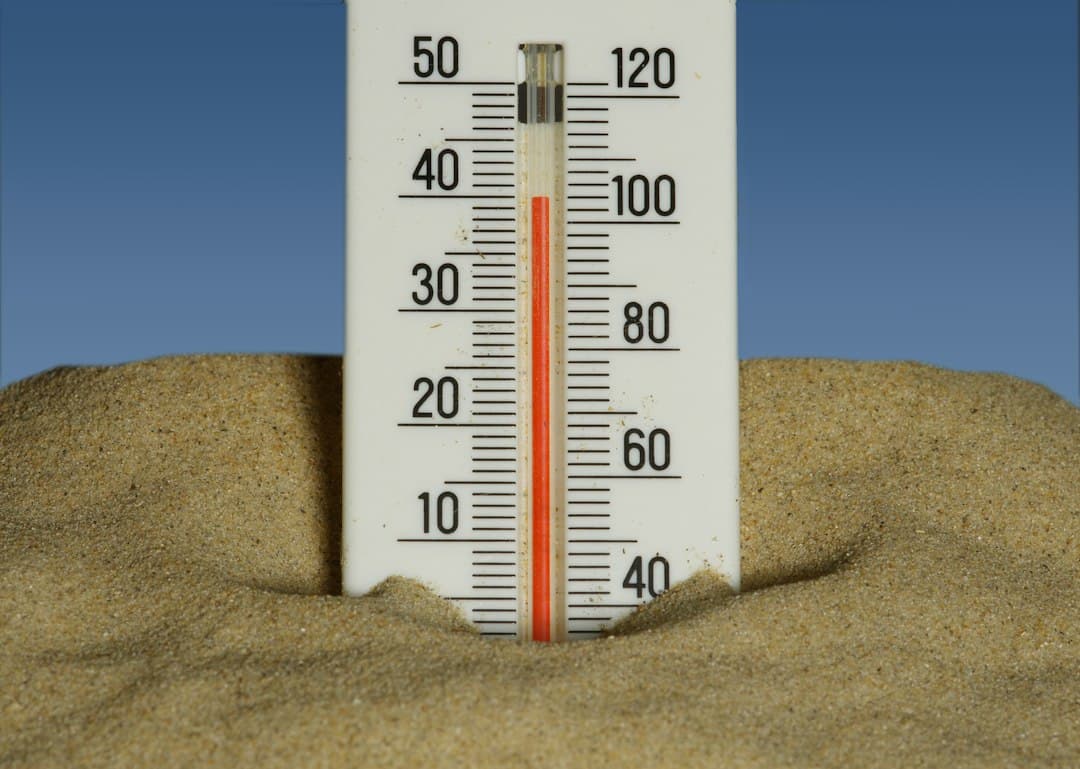
The messages also mention the temperature-humidity index (THI), which measures thermal discomfort by combining heat and humidity. Its critical threshold is set at 80 units[4]. During a past yellow-code alert, temperatures of 37 to 39 degrees were expected in Crișana, the Banat, Oltenia, Muntenia and southwestern Transylvania, with a THI exceeding this 80-unit threshold[4].
Housing to Stay Cool Through the Summer
The official recommendations for indoor spaces, at home and at the office, are precise. Keep them as a user guide for your home:
- close the windows when the outside temperature is higher than the indoor temperature[4];
- set the air conditioning no more than 5 degrees below the room temperature[4];
- do not use a fan when the temperature exceeds 32 degrees[4];
- limit household appliances, artificial lighting and other sources of heat[4].
These rules should factor into your choice of rental: before signing, check that the home has working air conditioning and shutters or solar protection.
Organizing Your Work Days and Travel
Authorities advise avoiding crowds, sun exposure and intense physical effort between 11 am and 6 pm[4]. For remote workers, this means scheduling tasks that require going out or traveling early in the morning or late in the day, and keeping the middle of the day for indoor work.
For your trips, the recommendation is to leave early in the morning or in the evening, walk through shaded areas as much as possible, and alternate walking with breaks in air-conditioned places such as shops or public buildings[4]. For clothing, choose loose, light, light-colored garments, preferably in natural fabrics[4].
Hydration and Health: The Official Recommendations
The National Institute of Public Health recommends drinking between 1.5 and 2 liters of fluids a day, without waiting until you feel thirsty. During a heat wave, it advises a glass of water, or the equivalent, every 15 to 20 minutes[5].
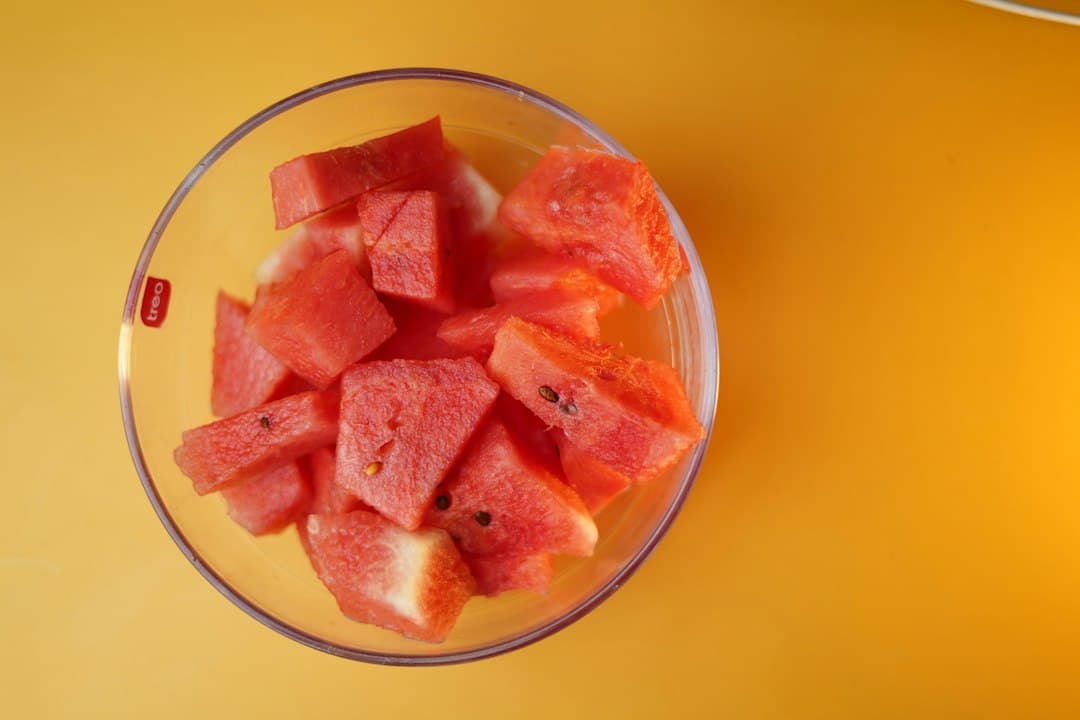
These recommendations apply to the general population as well as to vulnerable people, that is, those living with chronic illnesses, older adults, infants, and young children[5]. They also advise eating fresh fruits and vegetables with high water content, such as melon, watermelon, plums, cucumbers, and tomatoes[5]. The « Caniculă » guide from the government platform Fiipregătit ("Be Prepared") complements this advice[2].
Pitfalls and Points of Caution
- A yellow code does not mean a minor episode: during an alert at this level, the ITU exceeded the critical threshold of 80 units, with 37 to 39 degrees expected[4]. How hot it feels depends on humidity as much as on the thermometer.
- Do not let your guard down after a milder day: the mass of hot air can remain active for nearly a whole week, with variations from one day to the next[3].
- Above 32 degrees, fans are not recommended: do not count on one to sleep or work during intense heat[5].
- During heatwaves and prolonged drought, burning stubble, dry vegetation, and plant residue is prohibited[4].
- In forests, it is prohibited to use an open fire outside designated areas and to throw cigarettes or lit matches; parking cars, pitching tents, and using picnic areas must also be kept to the designated places[4].
Stay Informed and Know Whom to Call
Two official channels structure the information: the warnings issued by the National Meteorological Administration for extreme temperatures and heatwaves, and the recommendations published by the Ministry of Internal Affairs through the Department for Emergency Situations on the « Fiipregătit » platform, whose dedicated heatwave guide is available at fiipregatit.ro/ghid/canicula[2]. The National Meteorological Administration also publishes information messages during an episode, beyond the initial alert[3].
In an emergency, dial 112, the general emergency number, reachable 24 hours a day[6].
Key Takeaways Before Summer
- Choose accommodation where you can control the cool air: air conditioning, windows that close, and sun protection.
- Plan your outings and physical tasks before 11 am or after 6 pm.
- Keep a water bottle within reach and drink regularly.
- Follow the warnings from the National Meteorological Administration and the « Caniculă » guide from Fiipregătit.
- Save 112 in your phone.
This article covers the essentials for facing summer heat. To truly settle in, it's worth looking more closely at choosing the city and neighborhood, the budget for an air-conditioned home, and, if you have a medical condition, health advice tailored to your situation.
Sources
- 1.^egusphere.copernicus.org — EGUsphere - Long-Term Satellite Analysis of Summer Heatwaves and Heat Vulnerability in Romania (2000–2025): « The southern plains and the Bucharest metropolitan area emerged as the main national hotspots of heat-related risk. » https://egusphere.copernicus.org/preprints/2026/egusphere-2026-4415/ (accessed November 7, 2026)
- 2.^ abclink.springer.com — Future changes in heatwaves characteristics in Romania | Theoretical and Applied Climatology | Springer Nature Link: « The results obtained in this article show that the number and duration of heatwaves will increase in Romania in the near future (2021–2050) compared with the historical period (1971–2000). » ; « Current actions include warnings issued by the Romanian National Meteorological Administration for extreme temperatures and heatwaves, and recommendations from the Ministry of Internal Affairs, through the Department for Emergency Situations, via the Be Prepared platform (https://fiipregatit.ro/ghid/canicula/). » https://link.springer.com/article/10.1007/s00704-023-04412-5 (accessed November 7, 2026)
- 3.^ abcdromania-actualitati.ro — The heatwave will gradually expand and persist into the first part of next week | News in English | Radio România Actualitați: « We issued two yellow-code alert messages for exceptionally high temperatures on Saturday and Sunday, in addition to a heatwave in the west of the country. » ; « We also have an information message in effect until Monday, concerning the extension and intensification of this hot air mass. » ; « The hot air mass should remain active over Romania for nearly the whole following week, with variations from one day to the next. » https://www.romania-actualitati.ro/news-in-english/the-heatwave-will-gradually-expand-and-persist-into-the-first-part-of-next-week-id230204.html (accessed November 7, 2026)
Show 3 more sourcesShow less
- 4.^ abcdefghijklmai.gov.ro — Heat Wave Mitigation Measures – MINISTRY OF INTERNAL AFFAIRS: "According to the yellow-code weather warning issued by the National Meteorological Administration, from August 21 to 23, in Crișana, the Banat, Oltenia, Muntenia and southwestern Transylvania, thermal values will generally range from 37 to 39 degrees, and the temperature-humidity index (THI) will exceed the critical threshold of 80 units of thermal discomfort." ; "In enclosed spaces (at home or at the office), it is recommended to limit the use of household appliances, artificial lighting and heat sources; to close windows when the outside temperature is higher than that of the enclosed space; to avoid fans if the temperature has exceeded 32 degrees, and to set air conditioning to no more than 5 degrees below the room temperature." https://www.mai.gov.ro/masuri-de-limitare-a-efectelor-caniculei/ (accessed November 7, 2026)
- 5.^ abcddm.mai.gov.ro — Recommendations from the National Institute of Public Health on Heat Wave Protection – Medical Directorate: "Drink between 1.5 and 2 liters of fluids every day, without waiting until you feel thirsty. During a heat wave, it is recommended to drink a glass of water (or the equivalent) every 15 to 20 minutes." ; "The recommendations of the National Institute of Public Health on heat wave protection, both for people in vulnerable groups (people with chronic illnesses, older adults, infants and young children) and for the general population, are as follows:" ; "Eat fresh fruits and vegetables with a high water content, such as melon, watermelon, plums, cucumbers and tomatoes." https://dm.mai.gov.ro/blog/2022/07/01/recomandarile-institutului-national-de-sanatate-publica-privind-protectia-in-caz-de-canicula/ (accessed November 7, 2026)
- 6.^Mira Knowledge — In Romania, the emergency number is 112 (general emergency, 24 hours a day). Verified on July 2, 2026: official source gov.uk. https://www.gov.uk/foreign-travel-advice/romania/health (accessed July 2, 2026)



