Rabat, Morocco's capital, attracts far fewer visitors than Marrakech. This article helps you choose the sights worth the detour (the kasbah, Hassan Tower, Chellah, the medina), understand their history, and plan a one- or two-day stop. You'll also find the essentials on getting there, getting around, and avoiding common pitfalls.
Why Rabat: a capital on a human scale
Rabat attracts considerably fewer visitors than Marrakech, which makes it a good alternative for travelers who want to explore Morocco beyond its best-known sites[1]. Along the Atlantic coast, the city combines heritage sites, green spaces, beaches, cinemas, galleries, restaurants, and festivals[2].
Its medina is more laid-back than those of Marrakech and Fez, with fewer insistent vendors[1]. Most neighborhoods are walkable, including the medina, the Kasbah of the Udayas, and the Hassan quarter[2]. To see the essentials, plan on about 2 days[3].
History and culture: a UNESCO-listed capital
UNESCO recognizes Rabat as “modern capital and historic city: a shared heritage”[4]. The site includes the “new city,” designed and built under the French Protectorate from 1912 to the 1930s, as well as older sections that sometimes date back to the 12th century[4].
These older sections include the Hassan Mosque, whose construction began in 1184, along with the Almohad ramparts and gates, the only remains of a major project to build a capital city for the Almohad caliphate[4]. Together they reveal a heritage shared by several great cultures: ancient, Islamic, Hispano-Maghrebi, and European[4].
Kasbah of the Udayas and Andalusian gardens
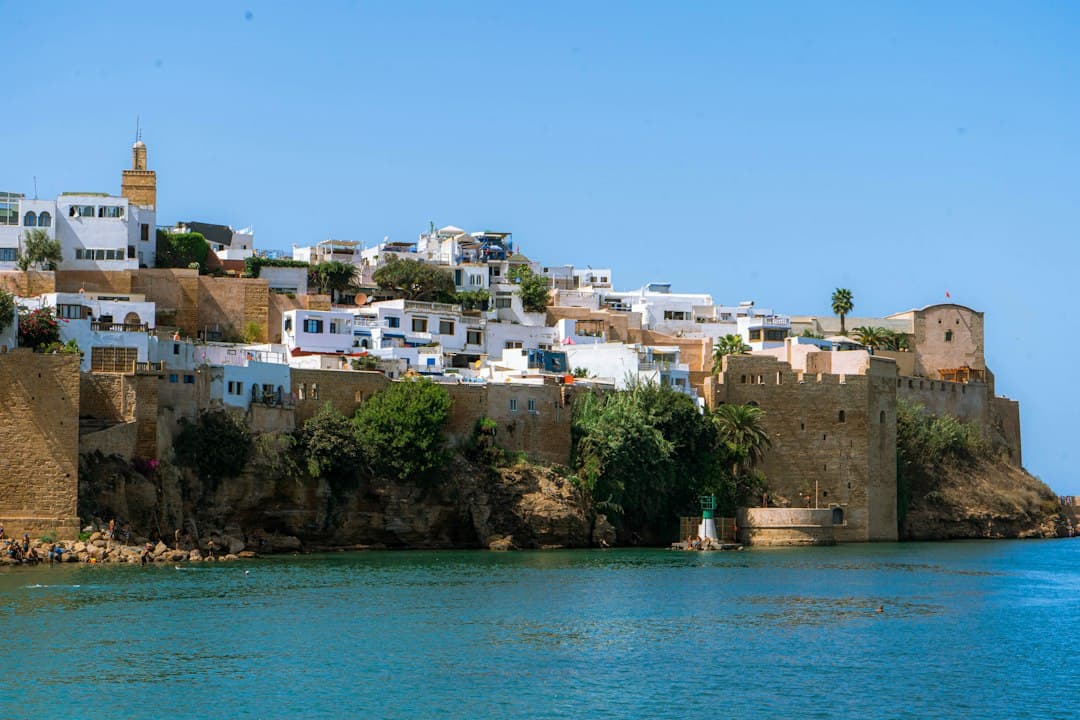
Built by the Almohads in the 12th century on a cliff above the Bouregreg estuary, the Kasbah of the Udayas is one of the finest examples of Almohad military architecture in Morocco. Inside you'll find whitewashed lanes, the Bab Oudaia gate, and a terraced Andalusian garden[5].
The whitewashed lanes are made for wandering[5]. The view over the Atlantic and the Bouregreg is especially beautiful in the late-afternoon light[1].
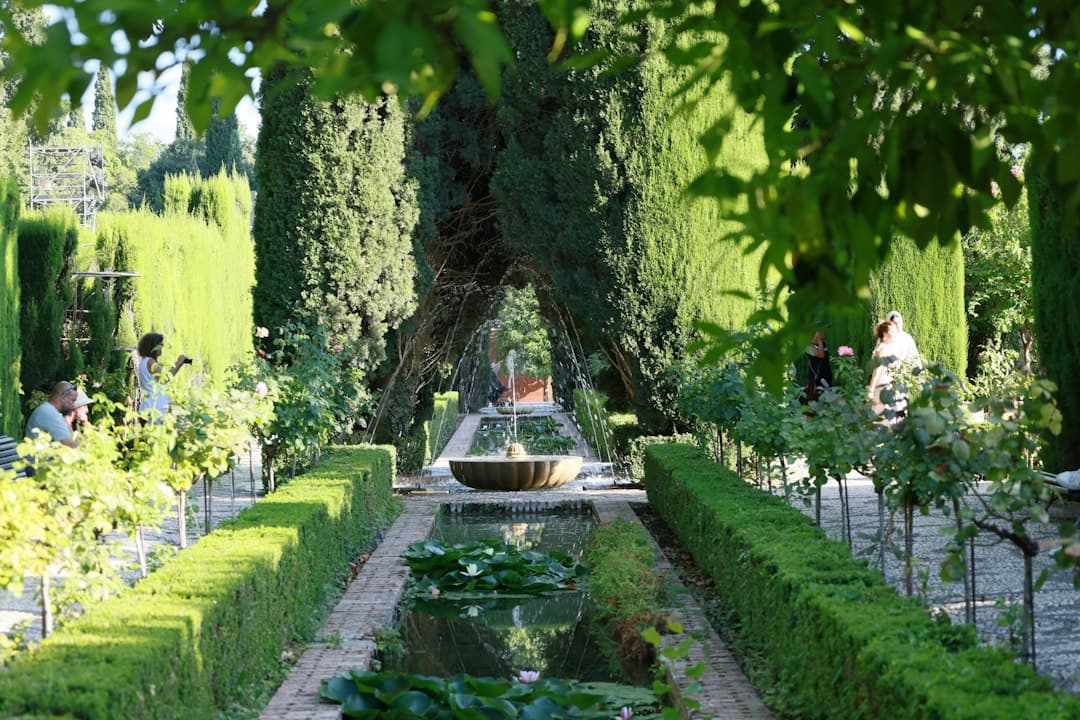
Next to the kasbah, the Andalusian gardens were created during the French Protectorate[1]. The free-entry garden leads to the Café Maure, an iconic spot for a mint tea[6]. A nearby museum displays traditional Moroccan jewelry and clothing[1].
Hassan Tower and the Mohammed V Mausoleum
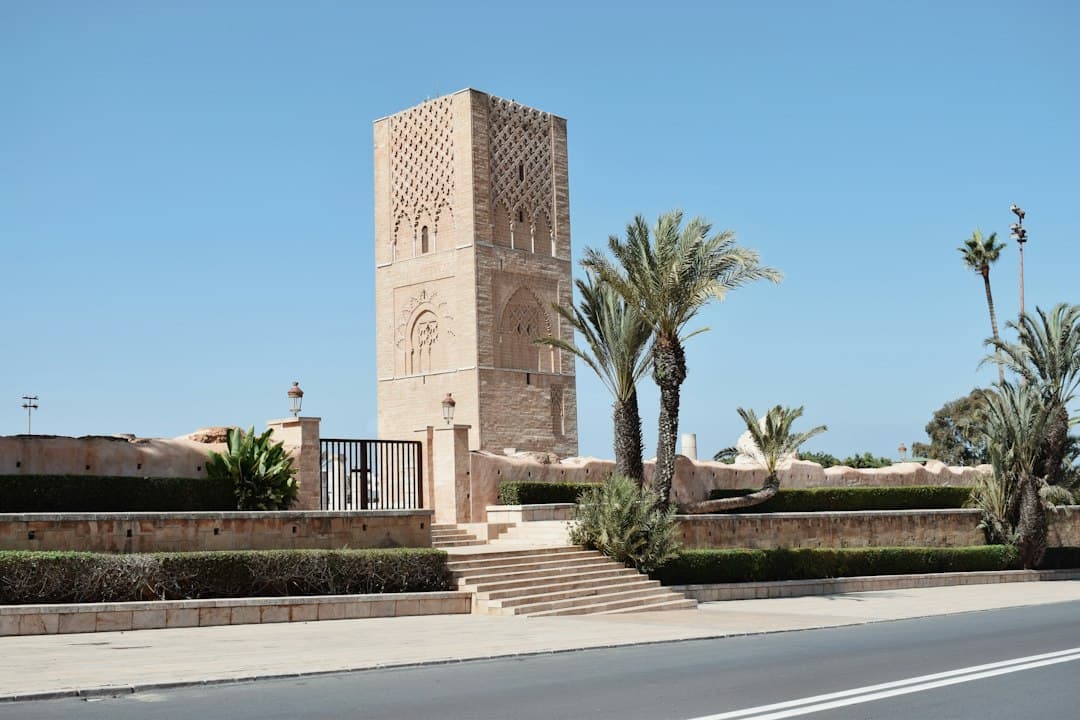
Begun in 1195 according to some sources, under the caliph Yaqub al-Mansur, the Hassan Tower, the minaret of the mosque of the same name, would have been the tallest minaret in the world at 86 meters had it been completed. It stands at 44 meters today, in the middle of a plaza of columns, next to the Mohammed V Mausoleum[5].
Royal guards in ceremonial dress keep watch over these two landmarks[6]. The mausoleum is a tribute to Arab-Islamic art: it is carved from white onyx and decorated with marble, plaster, and finely carved wood[7].
From the balcony you can see the monumental marble tomb of the late King Mohammed V, beneath a gilded, carved cedar ceiling[6]. The gilded ceiling and the zellige tilework offer a glimpse of Moroccan craftsmanship[8].
The two monuments face each other, so you can visit them one after the other[1].
Chellah: a Marinid necropolis on a Roman city
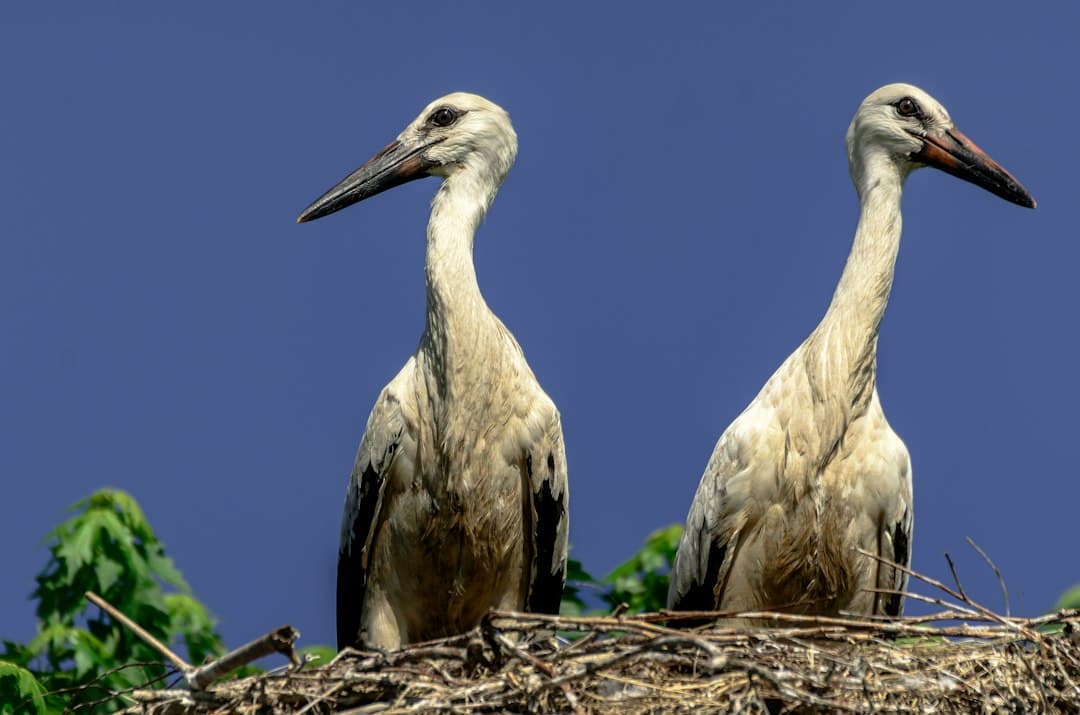
On the southern edge of the city, Chellah layers a Roman city, Sala Colonia, with a Marinid necropolis; storks nest on the minarets every spring[5]. The site was originally founded by the Phoenicians and became the Roman colony of Sala Colonia around the year 40[1]. The Marinid rulers made it a royal burial ground and a spiritual center in the 13th and 14th centuries[1].
Hidden behind ramparts several kilometers long, this archaeological site spans seven hectares. You walk among the Roman ruins (baths, temples, forum), then through the better-preserved Marinid necropolis, with its shrines, mosque, hammam, and prayer hall. A path leads to the gardens, an oasis of giant bamboo and flowering trees[6]. Plan for about 2 hours of visiting time[2].
Medina, Crafts, and Neighborhoods to Explore
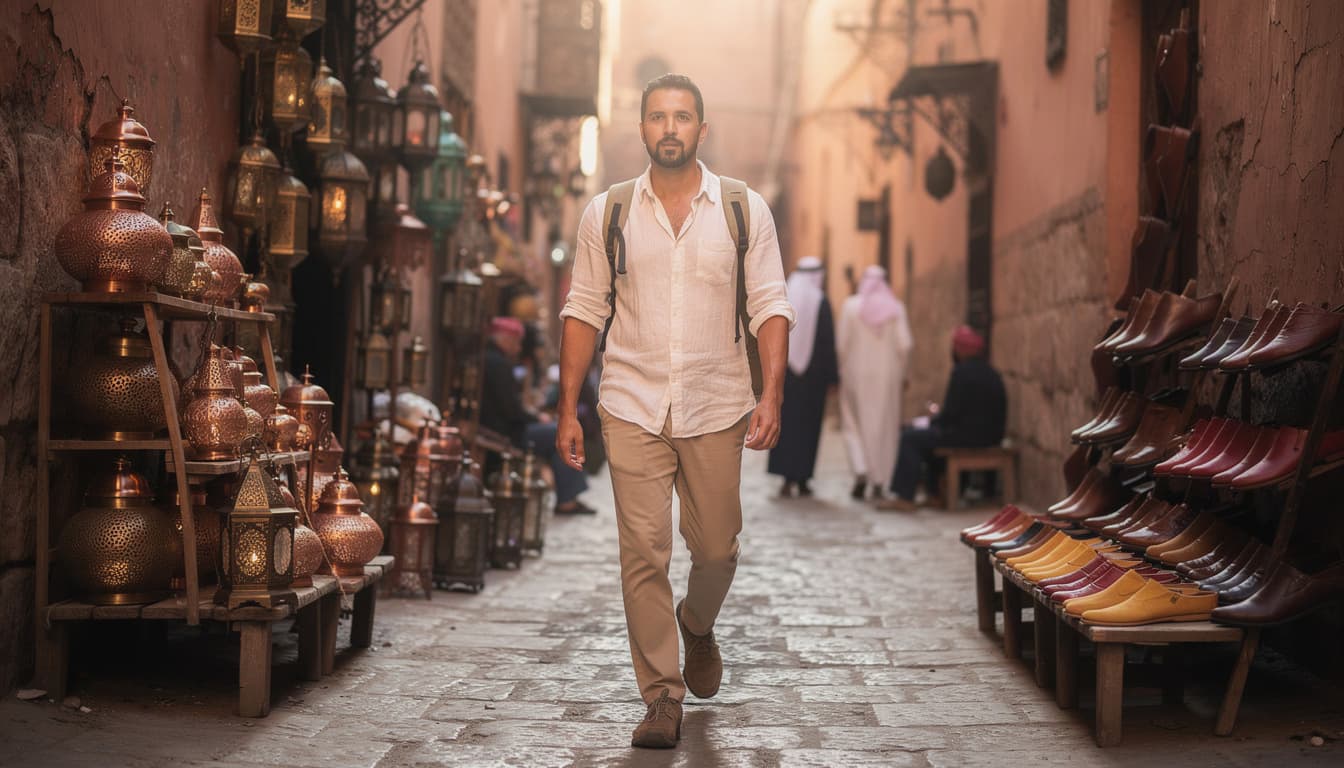
Rabat's whitewashed medina is less intense than those of Marrakech and Fes[6]. This 17th-century old town is smaller and more relaxed, yet still winding enough to get lost in[8]. After a first day, most travelers find their way around without difficulty[9].
Rue des Consuls is the main artery and a good landmark[6]. Once the residence of foreign diplomats, it is known for its rugs and traditional crafts[1]. You can also look for antiques, cushions, copperware, and secondhand books[2].
Rbati craftsmanship is the city's reputation: from father to son, artisans work fabrics, leather, and gold and silver jewelry, along with the famous rbati rug[7]. Red rbati rugs are highly sought after[8].
Museums, Contemporary Architecture, and Gardens
The Mohammed VI Museum of Modern and Contemporary Art, opened in 2014, will delight art lovers[1]. Its permanent collection features the work of more than 200 modern Moroccan artists[8].
For contemporary architecture, the Royal Theater of Rabat, designed by Zaha Hadid, showcases futuristic lines; across the river, in Salé, the Mohammed VI Tower, the tallest skyscraper in Rabat-Salé, reaches 250 m[2].
For green spaces, the botanical trial garden and the exotic gardens of Bouknadel, a few kilometers from the city, await you[3].
Festivals, Seaside, and Crossing the Bouregreg
Rabat comes alive with music festivals, from Mawazine to Jazz at Chellah[3]. Mawazine offers free concerts with major national and international stars in front of tens of thousands of spectators[7].
The city has a remarkable coastline: on the Atlantic, kilometers of well-equipped beaches stretch all the way to Casablanca[3]. To switch banks, a water taxi, a short crossing in a wooden boat, connects to Salé[6].
Planning Your Visit: Season, Duration, Access
- Duration: 1 to 2 days is enough for the Oudayas Kasbah, the Hassan Tower, the Mohammed V Mausoleum, Chellah, and the medina[10]. If Rabat is part of a longer itinerary in Morocco, 2 nights with a guide to cover the highlights is doable[2].
- Season: March to June and September to November are the best periods, with mild days, cool nights, and the least rain[9]. July and August are hot and busy on the coast[9]; August is the busiest month for domestic tourism, with crowded beaches and festivals[2].
- Getting here: Rabat-Salé airport is 10 km away[10]. The Al Boraq high-speed train and ONCF trains connect to Casablanca in 50 min and to Tangier in 1 h 30[10]. For the Al Boraq, choose Rabat Agdal station: Rabat Ville is a different station[11].
- Getting around: most neighborhoods are reachable on foot, and a tram connects them[2]. Small blue taxis run on the meter and take up to three passengers[2].
- Day trips: Salé, about 10 minutes away, and Casablanca, about 1 h[3]. The trip to the Hassan II Mosque in Casablanca takes 50 min on the Al Boraq train[9].
Traps, Scams, and Points of Caution
In some very touristy areas, commercial companies use aggressive sales and pressure tactics. Sometimes under the pretext of exceptional benefits (gifts, prize draws), they get travelers to sign contracts for timeshare apartments or membership in discounted travel or holiday offers, in exchange for an immediate payment of a large sum of money[12].
- Fake agencies: they demand an upfront payment or a card authorization to "verify the creditworthiness" of clients, then make fraudulent transfers from their accounts[12].
- Urgent money requests: people who have built close online ties with contacts using false identities have received requests for emergency financial help (accident, imprisonment, theft of papers and money). It is strongly recommended not to act on these without first verifying the identity of the person asking[12].
Checklist Before You Go
- Before visiting a museum or monument, check its opening day, last admission time, ticket conditions, and whether you need a reservation[11].
- Group your visits by neighborhood: the medina and the Oudayas can form a single route[11].
- Keep some cash for small expenses: card acceptance varies from one shop to another[11].
This article covers the essentials for choosing your visits. To go further, explore our selection “Morocco: The Highlights, Region by Region.”
Sources
- 1.^ abcdefghijcorkbeo.ie — Gorgeous city three hours from Ireland with £12 flights is one of 2027's must-visit places | Cork Beo: “It attracts considerably fewer visitors than Marrakech, which makes it an alternative for travelers who want to explore Morocco beyond its best-known tourist sites.” ; “For shopping and street food, the medina offers a more relaxed atmosphere than its equivalents in Marrakech and Fes, with fewer pushy vendors.” ; “Overlooking the Atlantic and the Bouregreg, it is particularly striking in the light of late afternoon, reports the Irish Mirror.” https://www.corkbeo.ie/culture/whats-on-news/gorgeous-city-three-hours-ireland-34934357 (accessed November 22, 2026)
- 2.^ abcdefghilonelyplanet.com — A Guide to Rabat, Morocco - Lonely Planet: “Alongside beautifully preserved archaeological sites, you'll find an easy-to-explore medina and a dynamic coastal culture, with sandy beaches, cinemas, galleries, restaurants, festivals and shopping.” ; “Most neighborhoods are walkable, including the medina, the Oudayas kasbah and the Hassan quarter.” ; “Plan for 2 hours for your visit.” https://www.lonelyplanet.com/articles/guide-to-rabat-morocco (accessed November 22, 2026)
- 3.^ abcdevisitmorocco.com — Rabat holidays: things to do & best time | Visit Morocco: “Plan for 2 days for your stay.” ; “Lovely parks await you, such as the Botanical Jardin d'Essais or the exotic gardens of Bouknadel, a few kilometers from the city.” ; “Enjoy the musical buzz that Rabat celebrates like no other city: from Mawazine to Jazz at Chellah and many more, filling the air with sounds and rhythms from around the world.” https://www.visitmorocco.com/en/travel/rabat (accessed November 22, 2026)
Show 9 more sourcesShow less
- 4.^ abcdunescotracker.net — Rabat, modern capital and historic city: a shared heritage – UNESCO Heritage Tracker: “The site as a whole reveals a heritage shared among several great cultures of human history: ancient, Islamic, Hispano-Maghrebi and European.” ; “The site includes the new town, designed and built under the French Protectorate from 1912 to the 1930s, including the royal residence, colonial administrations, residential and commercial complexes, and the Jardin d'Essais – botanical and ornamental garden..” ; “The older parts house the Hassan Mosque (construction began in 1184) as well as the Almohad ramparts and gates, the only remaining vestiges of a great project for a capital city of the Almohad caliphate.” https://www.unescotracker.net/fr/sites/757/rabat-modern-capital-and-historic-city-a-shared-heritage (accessed November 22, 2026)
- 5.^ abcdexplore-rabat.com — Explore Rabat — UNESCO Capital, Kasbah of the Udayas & Chellah Day Trips: “The Kasbah of the Udayas, built by the Almohads in the 12th century on a cliff above the Bouregreg estuary, is one of the finest examples of Almohad military architecture in Morocco, with its whitewashed lanes, the Bab Oudaia gate and a terraced Andalusian garden.” ; “The Hassan Tower, begun in 1195 under the caliph Yaqub al-Mansur, would have been the tallest minaret in the world at 86 meters had it been completed; it measures 44 today, surrounded by an esplanade of columns, next to the Mausoleum of Mohammed V.” ; “Chellah, on the southern edge of the city, layers a Roman city (Sala Colonia) and a Marinid necropolis, with storks nesting on the minarets every spring.” https://explore-rabat.com/en/place/rabat (accessed November 22, 2026)
- 6.^ abcdefgtimeout.com — A local's guide to the best things to do in Rabat: “This 12th-century fortress occupies a privileged position, with views over the Atlantic and the river that separates Rabat from Salé. The Andalusian gardens (free entry), a fragrant oasis, lead to the Café Maure, an iconic spot for mint tea.” ; “Two emblematic sites guarded by royal guards in ceremonial dress.” ; “In the neighboring Mausoleum of Mohammed V, you can look down from a balcony at the monumental marble tomb of the former king, with its carved cedar ceiling gilded with gold leaf.” https://www.timeout.com/africa/best-things-to-do-in-rabat-morocco (accessed November 22, 2026)
- 7.^ abcvisitmorocco.com — Medina in Rabat | Visit Morocco: “This monument is more than a burial site: it is a tribute to Arab-Islamic art that showcases all the charms of this heritage. It is carved from white onyx and adorned with marble, plaster and finely carved wood.” ; “From father to son, artisans work with fabrics, leather, gold and silver jewelry, not to mention the famous rbati rug, a masterpiece of finesse and harmony.” ; “A festival of worldwide renown, Mawazine offers free concerts that invite the greatest national and international stars to share memorable moments with tens of thousands of spectators.” https://www.visitmorocco.com/en/travel/rabat/medina (accessed November 22, 2026)
- 8.^ abcdnationalgeographic.com — Rabat 2026: When to visit, where to stay, and what to do | National Geographic: “Inside, it’s a lesson in Moroccan craftsmanship, from the dazzling zellige tilework to the gleaming gilded ceiling.” ; “The Rabat medina: the 17th-century old town is smaller and more relaxed than those of Marrakech and Fes, but winding enough to get lost in.” ; “Look for the highly sought-after red rbati rugs.” https://www.nationalgeographic.com/travel/best-of-the-world-2026/article/rabat-morocco (accessed November 22, 2026)
- 9.^ abcdexplore-rabat.com — Explore Rabat — UNESCO Capital, Kasbah of the Udayas & Chellah Day Trips: “Rabat’s medina is smaller and more relaxed than Fes’s: after the first day, most travelers find their way around on their own without difficulty.” ; “March to June and September to November are the best times: mild days on the Atlantic, cool nights and the lowest rainfall.” ; “July and August are hot and busy on the coast; December to February is cool, green and the least expensive period.” https://explore-rabat.com/en/faq (accessed November 22, 2026)
- 10.^ abcmoroccotravelbase.com — Rabat, Morocco: Travel Guide, Hotels & Things to Do: “1 to 2 days is enough: Kasbah of the Udayas, Hassan Tower, Mausoleum of Mohammed V, Chellah and the medina.” ; “Rabat-Salé Airport is 10 km away.” ; “High-speed Al Boraq trains and ONCF trains (Casablanca 50 min, Tangier 1 hr 30 min).” https://moroccotravelbase.com/en/destinations/maroc/rabat (accessed November 22, 2026)
- 11.^ abcdrabat.africa — Plan your visit to Rabat | Rabat.Africa: “For the Al Boraq, select Rabat Agdal; Rabat Ville is a different station.” ; “Before visiting a museum or monument, check the opening day, the last admission time, ticket conditions and whether booking is required.” ; “Group visits by neighborhood: the medina and the Oudayas can form a single sequence, while Agdal or the coast require a chosen transport route.” https://rabat.africa/en/preparer/ (accessed November 22, 2026)
- 12.^ abcdiplomatie.gouv.fr — Maroc - Informations utiles | France Diplomatie: “In some high-traffic tourist areas, commercial companies use aggressive sales and pressure tactics to get travelers to sign contracts for services such as timeshare apartments or membership in discounted travel or holiday offers, sometimes under the pretext of exceptional benefits (gifts or prize draws), requiring the immediate payment of a significant sum of money from the beneficiaries.” ; “These fake agencies demand an upfront payment or a card authorization to verify customers’ creditworthiness, then carry out fraudulent transfers from customers’ accounts.” https://www.diplomatie.gouv.fr/fr/information-par-pays/maroc/conseils-aux-voyageurs-informations-utiles (accessed November 22, 2026)