When you change countries and currencies, your financial life follows, with its fees, blockages and risks. This article helps you spot the bank charges that catch people off guard, understand what having no fixed address and irregular income can change, know when to call in a professional, and react to banking scams.
Tracking your accounts and fees when you change countries
Moving between several countries means juggling several currencies. This is where the bank bill climbs: one nomad recalls being “often surprised” by high fees on currency conversions and international withdrawals[1].
His workaround: he chose an online bank offering fee-free international transactions, which cut those costs[1]. This is one person's experience, not a general rule: offers vary by bank and by country, so it's up to you to compare conversion and withdrawal fees before choosing where to bank.
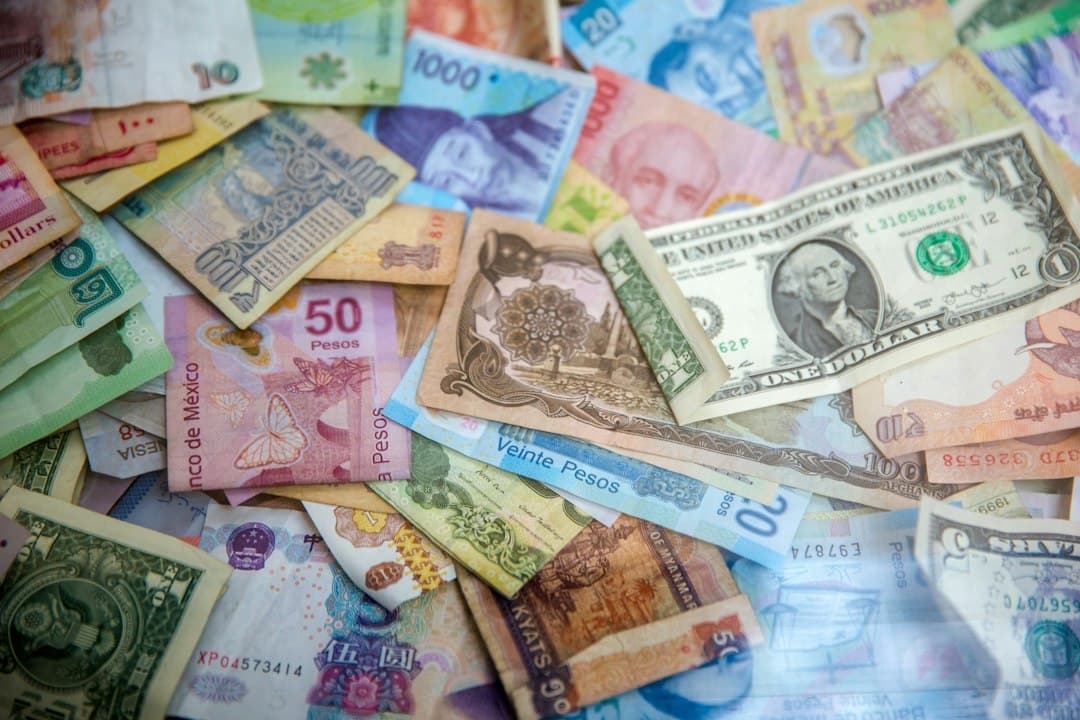
Before switching banks or cards, review these points:
- the fee charged on each currency conversion;
- the fee charged on each withdrawal abroad;
- what you actually pay over a typical month of spending in your current currency.
Irregular income, no fixed address: what changes
Without a fixed address and with sometimes irregular income, it can be hard to get a loan or a credit card[1]. It's better to plan for this before you leave than to discover it when you need one.
Insurance is the other headache. The same nomad spent a long time looking for global health insurance covering both emergency and routine care across several countries[1]. If you move often, check that your coverage follows your travels, for emergencies as well as everyday care.
When to call in a professional
Every country has its own rules for non-residents. This nomad had to clarify his tax situation with his home country, and he describes turning to a tax expert specializing in international mobility as “a real relief” that spared him many problems[1].
That's his experience, but it illustrates the right instinct: mobility taxation depends on your home country and on the countries where you stay, and a specialist is better placed than an article to settle your case.
Rules also change every year. In France, for example, the 2026 Finance Act, published on February 19, 2026, raises the income tax scale by 0.9% and sets new micro-BIC and micro-BNC thresholds for 2026-2028[2]. If you fall under the French tax system, a regular check-in with an adviser keeps you from deciding on outdated rules.
For a gift of shares to a relative, or any asset decision with tax implications, speak with a professional before acting.
Traps, scams and points of vigilance
Phishing and fraudulent texts
Fraudulent letters, emails and text messages (phishing) are among the scams listed by the French tax administration[3]. Never share your details or codes in response to a message or phone call: contact your bank or the organization concerned yourself, through its usual channels.
Banking fraud that varies by country
The risk is not the same everywhere. South Africa, for example, has one of the highest banking fraud rates in Africa: phishing and SMShing, SIM swap fraud, CEO fraud (business email compromise) and card-not-present fraud are all common[4]. Find out about the frequent scams in the country where you're settling.
What to Do in Case of Fraud
In France, a service offered by the National Police, the National Gendarmerie and Cybermalveillance.gouv.fr guides you according to your situation so you can take the steps needed to protect yourself[3]. A free green number, 0 805 805 817, provides information and advice[3]. To file a complaint for an internet scam, the THÉSÉE system lets you do so online[3].
In all cases, keep every piece of evidence you have: text messages, emails, screenshots[3]. If you live outside France, contact the authorities and the consumer protection body in your country of residence.
Fees That Pile Up Without Warning
Currency conversion and international withdrawal fees can come as a surprise, as the digital nomad mentioned above experienced[1]. Compare them before choosing your bank, not after the first statement.
Checklist Before You Leave
- Compare the conversion and withdrawal fees of your current bank with those of an online bank.
- Plan ahead for the difficulty of getting a loan or credit card without a fixed address: look into your options before you leave, without committing to credit you don't need.
- Choose health insurance that covers emergencies and routine care in all the countries where you will stay.
- Book an appointment with a tax expert who specializes in international mobility, and see them again every year.
- Learn the common scams in the country where you are settling, and never share codes or personal data in response to unsolicited requests.
- Keep fraud reporting numbers and websites within easy reach.
This article gives you the questions to ask yourself, not answers specific to your situation: mobility-related taxation, wealth and inheritance require going further with a professional.
Sources
- 1.^ abcdefjuneluc.com — 4 questions about the financial life of the digital nomad: “I was often surprised by high bank fees for currency conversions or international withdrawals.”; “Since then, I have opted for an online bank offering fee-free international transactions, which allowed me to reduce these costs.”; “Without a fixed address and with sometimes irregular income, it can be difficult to obtain a loan or credit card.” https://juneluc.com/4-questions-sur-la-vie-financiere-du-nomade-digital/ (accessed November 3, 2026)
- 2.^advyse.fr — 2026 Finance Law: Tax Impacts to Know and Anticipate: “The 2026 Finance Law, published on February 19, 2026, raises the income tax scale by 0.9%, sets the new micro-BIC and micro-BNC thresholds for 2026–2028, maintains the gradual abolition of the CVAE through 2030, and adjusts several rules for company directors.” https://www.advyse.fr/loi-finances-2026 (accessed November 3, 2026)
- 3.^ abcdeimpots.gouv.fr — How to React to a Scam or Fraudulent Use of Your Personal Data? | impots.gouv.fr: “Fraudulent letters, emails and text messages (phishing)”; “This service, offered by the National Police, the National Gendarmerie and Cybermalveillance.gouv.fr, guides you according to your situation so you can take the steps needed to protect yourself.”; “You can obtain information and advice by calling the free green number set up by the government: 0 805 805 817.” https://www.impots.gouv.fr/comment-reagir-en-cas-darnaque-ou-dutilisation-frauduleuse-de-vos-donnees-personnelles (accessed November 3, 2026)
- 4.^Mira Knowledge — South Africa has one of the highest rates of bank fraud in Africa, including phishing, SIM swapping, CEO fraud and card-not-present fraud. Verified on 06/11/2026: official source resbank.co.za. https://www.resbank.co.za/en/home/what-we-do/Financial-crime (accessed June 11, 2026)