You can arrive in a new European city with a fresh notebook, a brave little plan, and the belief that this time you’ll be the kind of person who “shops local.”
Then day one happens.
Your kitchen contains exactly one fork, a cutting board that looks like it’s seen things, and a single mug that’s somehow both tiny and stained. You’re hungry, slightly disoriented, and suddenly very open to routine.
This is how many of us end up at Lidl: not because it’s glamorous, but because it’s steady. And when everything else is new, steady is a love language.
The “Lidl Index”: a tiny basket that keeps you honest
Let’s define it simply: the Lidl Index is a fun, standardized comparison of what a basic weekly shop costs across cities - using the same 10-item basket.
Not a lifestyle. Not a fantasy version of you who meal-preps in matching glass containers. Just the staples you reach for when you’re trying to be a functioning human with deadlines and a fridge that may or may not cool evenly.
The standard 10 items:
- oats
- milk
- pasta
- yogurt
- bananas
- chicken
- bread
- olive oil
- coffee
- water
Why this works: it’s boring on purpose. These foods are widely available, easy to swap for close equivalents, and less likely to get distorted by “specialty” markups.
And it also quietly solves a common budgeting trap: tourist-trap pricing in online cost-of-living comparisons. Sites like Numbeo can be useful for a general pulse, but they’re often a messy mix of self-reported data, expat neighborhoods, and “I paid €7 for a coffee because it came with a view of the cathedral” energy.
The Lidl Index doesn’t care about vibes. It cares about receipts.
The Mediterranean wildcard: olive oil volatility
One note before we get smug about our spreadsheets: olive oil is the Mediterranean wildcard.
In some places it’s a humble staple. In others, it suddenly behaves like a luxury item, because harvest shifts, supply swings, and pricing changes can ripple fast. If your basket total feels mysteriously “off,” olive oil is often the plot twist.
Five cities, one basket: the weekly reality check
This isn’t a permanent verdict on any city. Prices move. Store locations vary. Neighborhoods matter. Your personal diet matters.
But as a quick anchor, especially when you’re choosing between “coastal romance” and “inland practicality,” it’s oddly clarifying.
Here’s the exact five-city Lidl Index breakdown:
- Bansko & Sofia - €16.25 (the “why does my budget suddenly breathe?” option)
- Krakow - €17.28 (quietly strong value, very livable basket)
- Valencia - €18.49 (sunny, balanced, and still fairly kind to your cart)
- Lisbon - €19.98 (gorgeous, popular, and priced accordingly)
- Split - €22.08 (the coastal “sun tax” hits: seaside demand nudges everyday basics up)
Split is the one that makes you stare at the receipt like it personally insulted you. That’s the coastal sun tax: tourism gravity, seasonal demand, and “everyone’s here to treat themselves” momentum.
If you’re deciding between coast and inland, this basket asks a blunt question:
How much am I paying each week just to live in the postcard?
Supermarket autopilot: the underrated comfort of familiar aisles
Nomad life is a constant stream of small decisions: new streets, new packaging, new payment quirks, new trash rules, new everything.
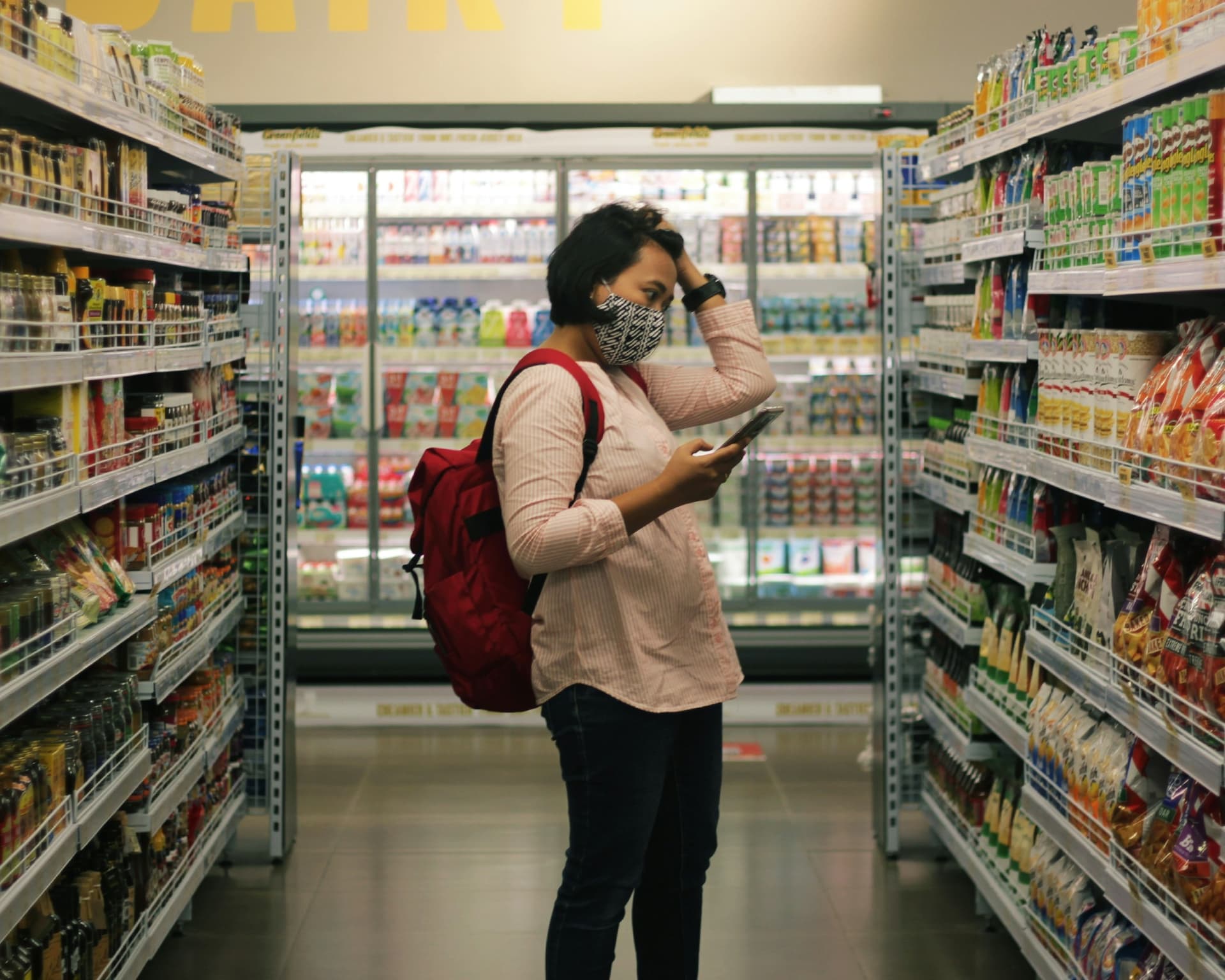
Walking into Lidl can feel like switching on supermarket autopilot.
- The layout is familiar enough that you don’t need to decode the whole store.
- The categories tend to live in the same places.
- The choices are curated, so you’re not auditioning 42 nearly identical yogurts.
This isn’t about being unadventurous. It’s about saving your curiosity for the moments that deserve it.
Go explore the market on Saturday when you have time to chat and wander. Use the weekday grocery run to keep your life smooth and your brain quiet.
The Middle Aisle and the art of not overpaying for basics
The Middle Aisle: your cheap utility depot
Nomads speak about the Middle Aisle the way hikers speak about a good multitool. It’s not elegant. It’s not predictable. It’s often exactly what you needed.
Think of it as a cheap utility depot, where you can patch the small practical holes in your life:
- adapters (because yours has vanished into the suitcase void)
- pans (because the kitchen has one pot and a dream)
- desk gear (a lamp, a mouse, a basic stand, whatever makes your setup feel less cursed)
It’s chaotic, yes. But it’s also the kind of chaos that can save you from buying the same item at a boutique homeware shop for triple the price.
Checkout tip: do this and you’ll look like you belong
Lidl checkout is fast. Not rude-fast, efficient-fast. The cashier scans like they have places to be (because they do), and the line behind you is silently cheering for speed.
Here’s the move:
- Reload everything back into your cart at the register.
- Then roll over and pack properly at the window counters.
You’ll protect your bananas, your bread, and your nervous system. And you’ll stop trying to play grocery Tetris while someone behind you sighs in six languages.
Three practical nomad grocery hacks that pay off all month
You don’t need a perfect new routine. You need a few small defaults you can repeat in any city.
- Day-1 minimalist pantry: olive oil, soy sauce, garlic, lemons + a 6-spice kit.
That’s the base for “I can turn almost anything into dinner.” Pasta becomes a plan. Vegetables stop feeling like a punishment. Chicken stretches into multiple meals without tasting like day three regret.
- EU allergen label trick: look for allergens in bold or ALL CAPS on ingredient lists (the standard highlights the 14 major allergens).
Even if you don’t speak the language well, this speeds up scanning. If you have serious allergies, stay extra cautious, formats can vary by product, and it’s always worth double-checking when something feels unclear.
- Delivery apps Glovo/Wolt as workaround.
Some days you don’t want to wrestle with unfamiliar address formats, basket rules, or a full shop when you’re depleted. A simple delivery order can bridge you into a new city, then you switch to in-person runs once you’re settled.
The real point of the Lidl Index (hint: it’s not the oats)
The Lidl Index isn’t about worshipping a supermarket. It’s about building a life that doesn’t leak money and energy through a thousand tiny cracks.
When you can predict your weekly basics, roughly, imperfectly, but well enough, you get something better than savings:
mental room.
Room for a long lunch you actually enjoy. Room for a spontaneous day trip. Room to say yes to the fun thing without doing budget gymnastics afterward.
Automate the routine. Keep the basket honest. And spend your attention on the parts of Europe that don’t fit on a receipt.