Booking a helicopter flight in the Everest region is largely decided before you pay. This article helps you compare the options, knows which questions to ask the operator in writing, anticipate the effect of altitude, and check what your insurance really covers.
Which Everest region helicopter flights are available?
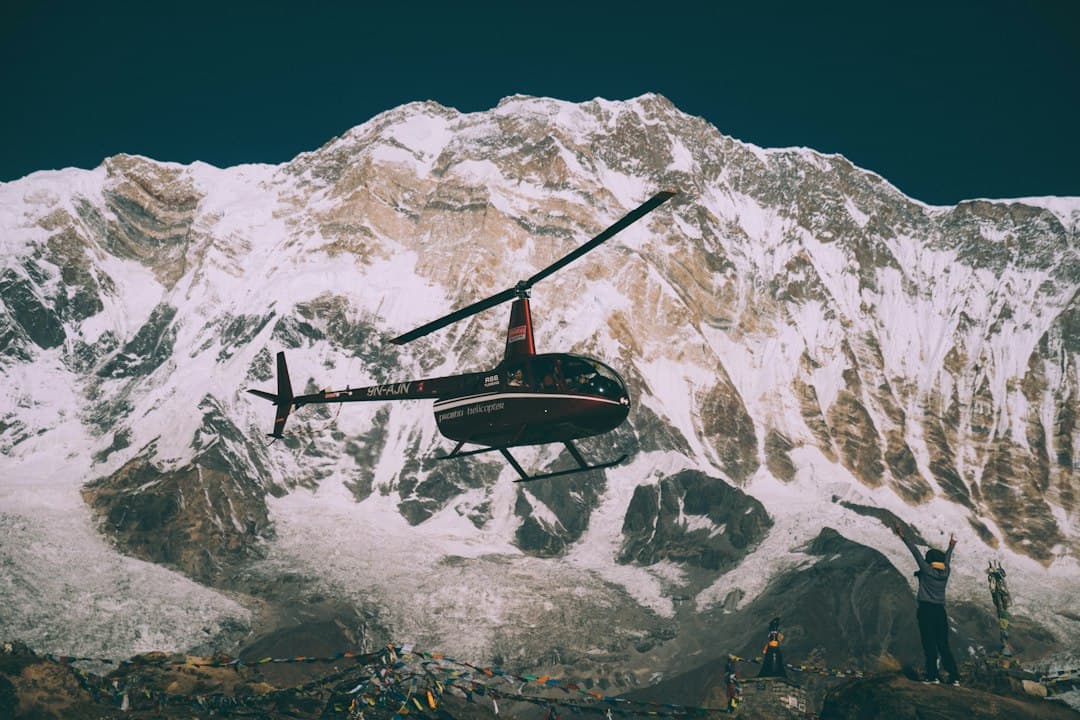
There are three main formats: the shared flight (one seat per person), the flight with landing, and the private charter. Operators publish prices from about US$300 to US$2,200 per person for a shared seat, depending on the route, with Everest at the top of that range, around US$1,200 to US$2,200 per seat[1].
A private charter for Everest is advertised at between US$4,500 and US$7,000 for a group of up to five people[1]. These amounts are operator indications: only a written quote for your dates and itinerary is binding.
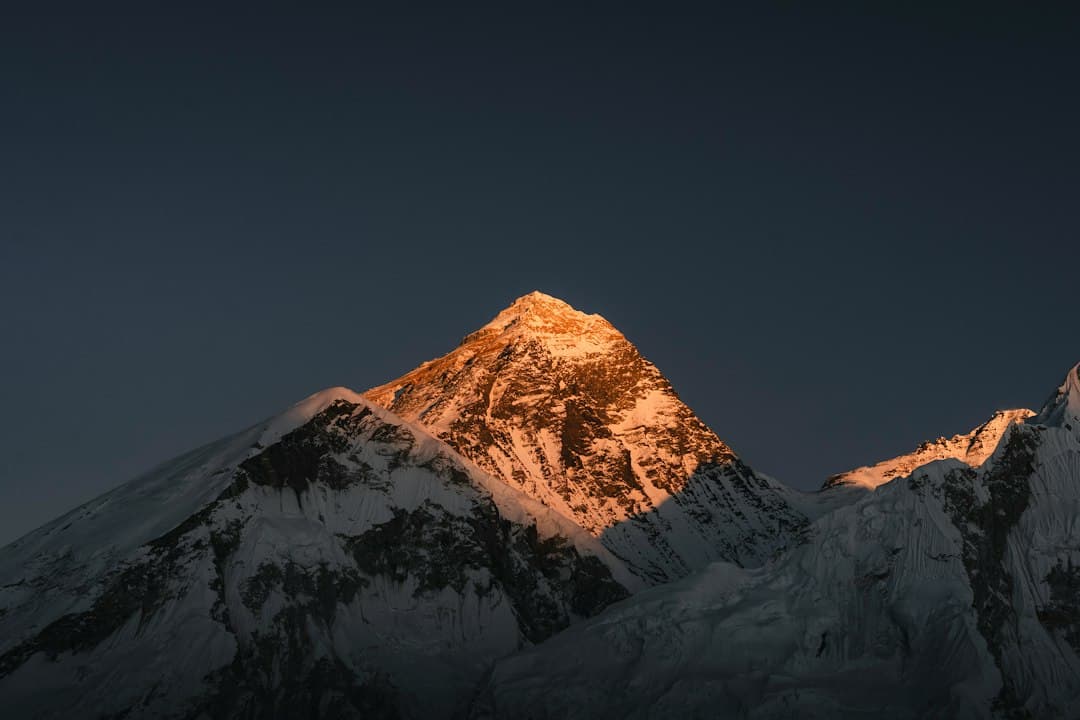
On the ground, the usual high point is Kala Patthar, the viewpoint of the trek. The helicopter flies over the Everest Base Camp but does not land there[2]. Itineraries often add a breakfast at the Hotel Everest View, in Syangboche, on the return route[2].
Checking the operator and permits
Helicopter operations in Nepal are regulated by the country's civil aviation authority, the CAAN[3]. That is the starting point for checking that a company is recognized. Also ask for the legal name, in writing, of the agency selling you the flight and of the company that actually operates it.
On permits, one operator states that the trek to Base Camp requires only two permits, whereas a helicopter tour requires four: the TIMS card, the Khumbu Rural Municipality permit, the Sagarmatha National Park entry fee and an aviation permit[4]. Ask your operator to specify which ones it covers.
The final flight configuration also depends on passenger weight, luggage, weather and the performance of the aircraft[3]: state your actual weight and your luggage weight when you book.
Entry fees and what the price includes
Two questions to ask in writing: are the national park entry fee and the Khumbu Trek-Card included? Operators charge these to passengers who land inside the park[2]. This is an operator practice, not a rule published by an authority, so the content of your quote is decisive[2].
The final cost also depends on the landing at Kala Patthar, the breakfast at the Hotel Everest View, airport transfers, park entry taxes and other services[3]. Some operators charge a supplement for a landing at Kala Patthar on group formats[1]. Compare offers based on a complete quote for your dates and itinerary[3].
Landing rules, weather and cancellations
Since January 1, 2025, the Khumbu Pasang Lhamu Rural Municipality has banned commercial and tourist helicopter flights over Lukla; an agreement later amended these rules, but the sources consulted do not specify its terms. A landing at Kala Patthar is therefore not guaranteed and must be confirmed in writing with the operator[1]. Landing rules have changed since then: confirm the site with your operator before you pay[1]. Even a landing at Kala Patthar depends on the weather and local authorization on the day; the pilot will choose another stop if it is impossible[2].
Ask what happens to your money if the weather prevents the flight[2]. Conditions matter: in winter, visibility is reduced and flights can be interrupted by snowstorms; in summer, the monsoon season and clouds make flying riskier and can delay or cancel it[1].
Spring and autumn are the recommended seasons, preferably in the morning, for visibility[1], and they are also the most in-demand periods for mountain travel[3].
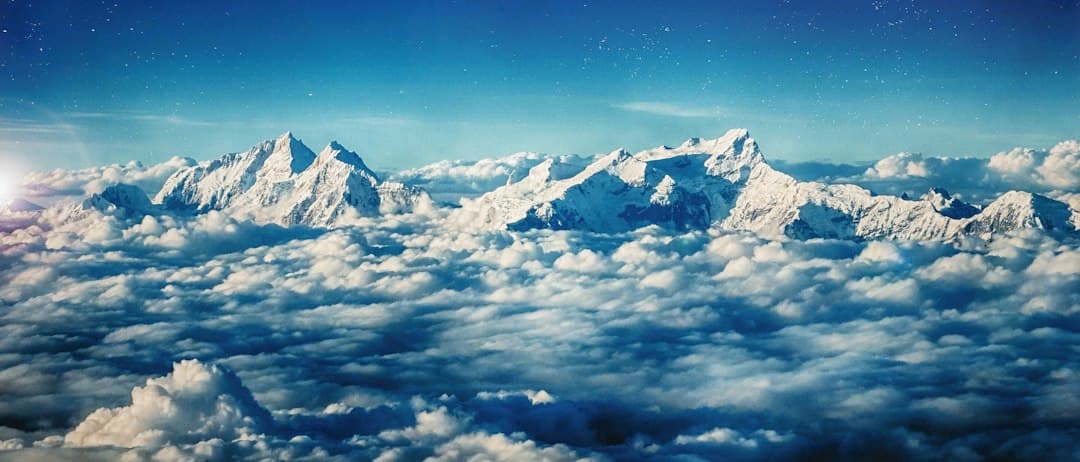
Altitude: Plan a Short Stop at High Elevation
Even without a long hike, the flight involves a landing at high altitude: one operator advises consulting a doctor before departure if you have any health concerns[4]. Excursions at altitude require specialized medical advice before departure; pregnancy and a history of heart, lung, neurological, or kidney conditions are contraindications according to France Diplomatie[5].
Acute mountain sickness can occur above 2,500 meters, when the body has not had time to acclimatize[5]. Its symptoms are sometimes hard to recognize: keep talking about how you feel physically with the person traveling with you[5]. If symptoms appear, it is recommended to descend as quickly as possible, to below 4,000 meters at minimum, with a companion, and to see a doctor[5].
Insurance: What to Check Before You Book
In Nepal, all mountain rescues are paid for, and helicopters only take off if they are guaranteed payment[5]. France Diplomatie considers assistance insurance covering search and evacuation costs in the mountains essential; otherwise, you or your family risk not being rescued or having to pay for the searches and repatriation yourselves[5]. Purchase insurance before booking and carefully check which costs are covered[4].
- Read the contract clauses, especially those tied to a bank card: the Visa "snow and mountain" coverage does not advance mountain rescue costs[5].
- Check whether illness is covered: sometimes only accidents are, not mountain sickness[5].
- For a stay longer than three months, confirm the conditions with the insurer before departure[5].
Traps, Scams, and Points of Vigilance
- The advertised price may be incomplete: get written confirmation of whether the park fee and the Khumbu Trek-Card are included, and what happens to your money if weather cancels the flight[2].
- Landing rules have changed since January 2025: have the site confirmed in writing, as some operators only land at Kala Patthar on private flights or charge a group supplement[1].
- Helicopter evacuation to Kathmandu is reserved for extreme emergencies. In cases of misuse (simple fatigue, mild mountain sickness, minor injury that could be evacuated by ground), the insurer may turn against you and demand high compensation[5].
- Many insurers treat a stay longer than 90 days as expatriation, which makes repatriation and medical care contracts void once that period is exceeded[5].
Checklist Before You Pay
- Get a written quote specifying the landing site and duration, whether the Hotel Everest View is included, and transfers.
- Ask for the legal name of the agency and the operating company, then check them against the Civil Aviation Authority of Nepal (CAAN) list.
- Have the permits and fees covered confirmed in writing.
- Clarify the refund or rescheduling conditions in case of weather cancellation.
- Declare the actual weight of passengers and luggage.
- Get medical advice if you have a health concern, then re-read the insurance contract: mountain evacuation, illness coverage, length of stay.
- This article covers the essentials for booking: choosing a specific operator, a detailed budget, and the trekking alternative require going further.
Sources
- 1.^ abcdefghswotahtravel.com — Helicopter Tour Cost in Nepal 2026: Prices by Route: "A helicopter tour in Nepal costs roughly US$300 to US$2,200 per person for a shared seat in 2026, depending on the route." ; "A private charter for up to five people costs roughly US$4,500 to US$7,000." ; "Some operators only land at Kala Patthar on private flights, and some charge a supplement for group tours." https://www.swotahtravel.com/blogs/Helicopter-Tour-Costs-in-Nepal (accessed November 12, 2026)
- 2.^ abcdefguncovernepal.com — Everest Helicopter Tour Cost: Shared vs Private Prices : “The helicopter flies over the Everest Base Camp and does not land there.” ; “Operators’ itineraries then add a breakfast stop at the Hotel Everest View, in Syangboche, on the return.” ; “Operators charge passengers who land the Sagarmatha National Park entrance fee and the Khumbu Rural Municipality Trek-Card: check that your quote includes them.” https://uncovernepal.com/insights/everest-helicopter-tour-cost/ (accessed November 12, 2026)
- 3.^ abcdelifehimalayatrekking.com — Quanto costa noleggiare un elicottero in Nepal? Guida ai prezzi 2026 - Life Himalaya : “Helicopter operations in Nepal are regulated by the Civil Aviation Authority of Nepal (CAAN).” ; “The final flight configuration may depend on passenger weight, luggage, weather conditions and the performance of the aircraft.” ; “The final cost may depend on whether the itinerary includes landing at Kala Patthar, breakfast at the Hotel Everest View, airport transfers, national park entrance fees and other services.” https://lifehimalayatrekking.com/it/blog/hire-a-helicopter-in-nepal/ (accessed November 12, 2026)
Show 2 more sourcesShow less
- 4.^ abcabovethehimalaya.com — Meilleure période pour un survol en hélicoptère du camp de base de l'Everest | Automne : “While trekking to Everest Base Camp requires only two permits, a helicopter tour to Everest requires four permits: TIMS (Trekkers Information Management System), the Khumbu Rural Municipality permit, the Sagarmatha National Park entry permit and the aviation permit.” ; “It is therefore advisable to consult a doctor beforehand in case of any health concerns.” ; “It is essential to take out insurance before booking the helicopter excursion to Everest Base Camp.” https://abovethehimalaya.com/fr/Meilleure-p%C3%A9riode-pour-un-tour-en-h%C3%A9licopt%C3%A8re-au-camp-de-base-de-l'Everest/ (accessed November 12, 2026)
- 5.^ abcdefghijkdiplomatie.gouv.fr — Népal - Santé | France Diplomatie : “High-altitude excursions and treks must be the subject of specialized medical advice before departure.” ; “Pregnancy, as well as a history of heart, lung, neurological or kidney conditions, is a contraindication.” ; “Acute mountain sickness is an illness occurring at high altitude (above 2,500 meters) when the body has not had time to acclimatize to the lack of oxygen.” https://www.diplomatie.gouv.fr/fr/information-par-pays/nepal/conseils-aux-voyageurs-sante (accessed November 12, 2026)