Minibuses, dolmuş and coaches are, along with the metro and tram, the everyday reality of anyone getting around Turkey. This article helps you understand how they fit together, choose a coach company and buy your ticket, pay in the city, and compare them with other ways to travel. It also shows where to find official alerts before you leave.
Minibuses, Dolmuş and Coaches: How It Works
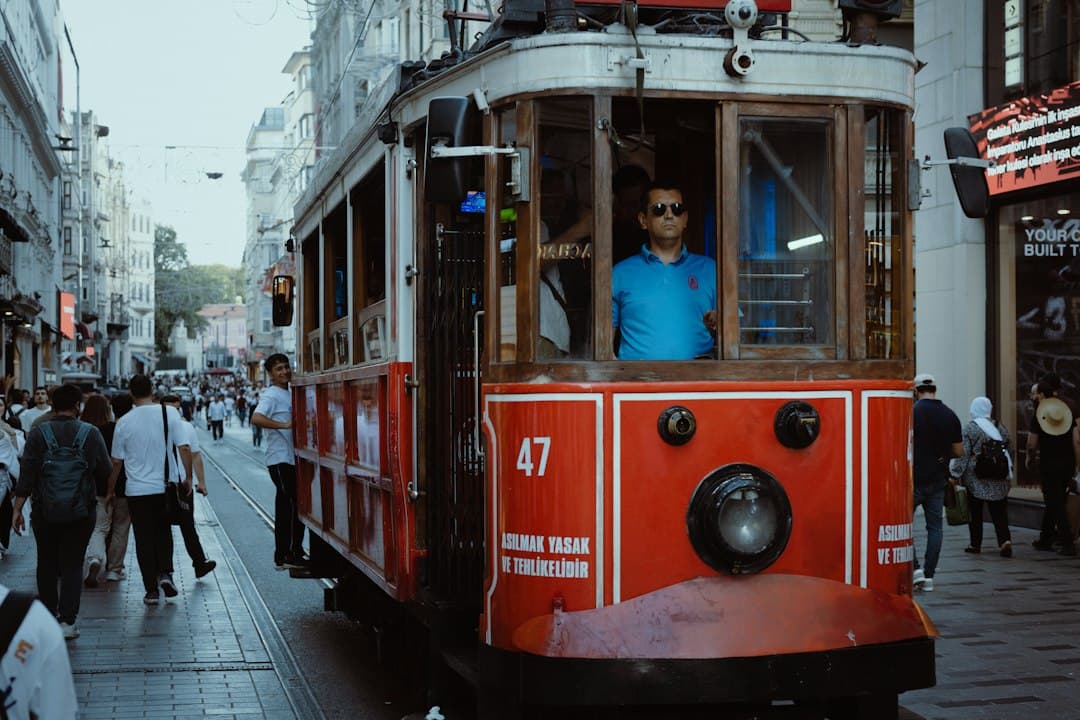
In cities, transport options combine. In places like Istanbul, Ankara or Izmir, the metro and tram form the backbone of the network, and transfers are made to city buses, dolmuş (shared taxis) or ferries[1].
The bus network complements the rail system: it covers areas that rails don't reach[1]. There are several kinds, from municipal buses to private minibuses, each with different fare structures and boarding procedures[1]. The yellow dolmuş minibuses are among the country's most iconic modes of transport[1].
Between cities, the coach is one of the most common ways to travel. The network reaches almost every city and village, which makes it a good option for getting to smaller destinations[2]. Coaches are described as comfortable, with air conditioning, Wi-Fi and snacks on board[2].
Choosing a Coach Company and Buying Your Ticket
Companies such as Kamil Koç and Metro Turizm run regular services across the country. Tickets can be bought online or at bus terminals[2].
On a budget, a coach ticket from Istanbul to Ankara costs around 100 to 150 TRY (about $7 to $10), with prices varying by season and company[2]. So compare several companies and several dates before booking.
Finding Your Way and Paying in the City
You can plan your trips with apps such as « IBB Ceptrafik » for Istanbul, which provide real-time departures, line works and delays[1]. « Trafi » is another digital companion for finding the fastest routes[1].
On buses, payment is generally made with the smart card used for the metro and tram, such as the Istanbulkart in Istanbul, and you don't need exact change[1]. Istanbul and Ankara have an integrated ticketing system: a single card is enough to switch from bus to metro and then to ferry[1]. Smaller towns may instead ask for cash or their own tokens[1].
On-board signs and announcements, along with apps that track routes, help you spot your stop. If in doubt, stay alert and ask the driver or another passenger, who can often offer useful local advice[1].

Alternatives Depending on Your Route
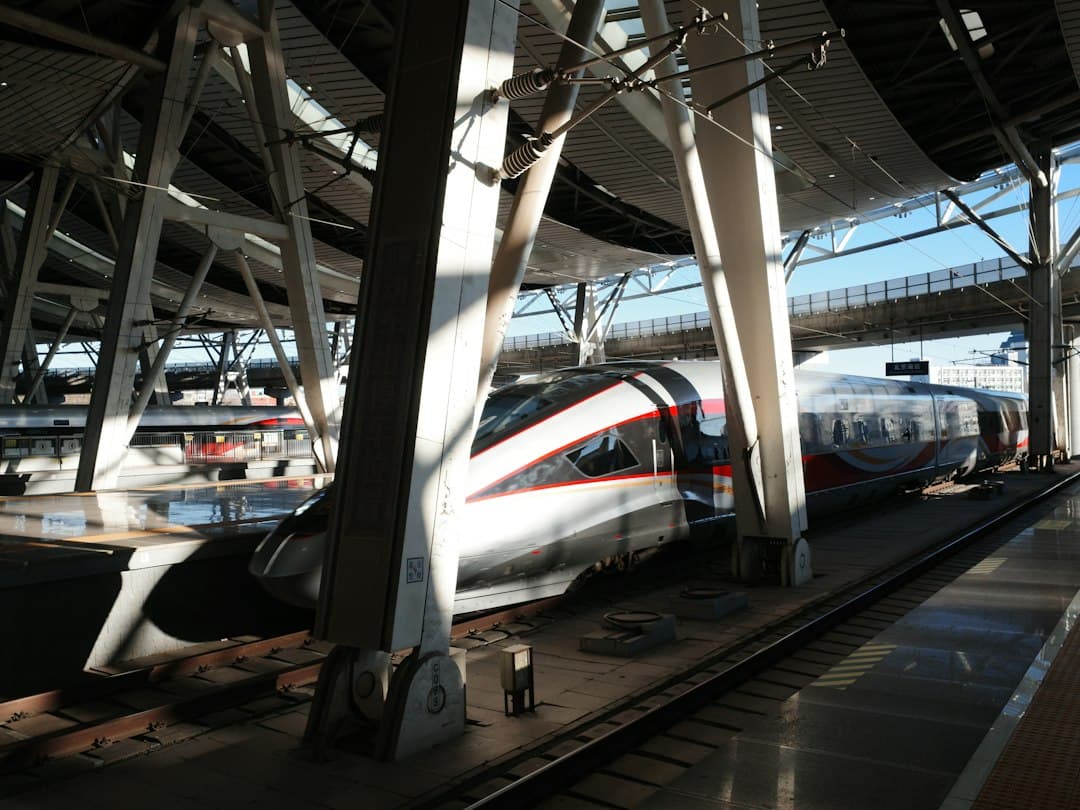
- Train: the network links Istanbul, Ankara and Izmir without covering the whole country. High-speed trains (YHT) cost around 70 to 100 TRY (about $5 to $7) depending on the route and class[2]. Regional trains are affordable and scenic, but slower and with limited timetables; routes and bookings can be checked on the Turkish State Railways website[2].
- Flight: a domestic flight is the fastest way to reach distant regions. Istanbul to Antalya takes just over an hour, compared with an 8-hour bus journey, for roughly 300 to 600 TRY (about $20 to $40) one way[2].
- Taxi: taxis are equipped with a meter. In tourist areas, some drivers may charge more: make sure the meter is running or agree on the fare in advance[2]. Save them for short distances or places with poor transport links[2].
- Taxi app: BiTaksi lets you book and track fares in real time[2].
- Istanbul: the metro and tram are very easy to use, and water taxis are another option[3].
Travel Insurance and Official Alerts
Before every trip, check the travel advice for your country. For a French traveler, the "Latest news and alerts" page on France Diplomatie lists current disruptions. For example, it notes that the COP31 summit will be held in Antalya from November 9 to 20, 2026, and could bring major security measures and affect travel to and around the city[4]. Hello Mira alerts complement this information.
On insurance: if you apply for a residence permit in Türkiye, you must prove that you hold private health insurance covering the full duration of the permit requested[5]. For bus or minibus journeys, review the coverage of your travel contract for local travel before you leave.
Pre-departure checklist
- Compare several bus companies and several dates, then buy your ticket online or at the terminal.
- Download a transport app and, in cities, get the local smart card; carry cash for smaller towns.
- For long distances, compare the bus with the train or flight depending on how much time you have.
- Check your country's official alerts and Hello Mira's alerts before each journey.
- Review your travel insurance coverage for local travel.
- This article covers the essentials: to settle in, go further, for example on exact line schedules and choosing a neighborhood based on transport.
Sources
- 1.^ abcdefghijinvestment.com.tr — The Complete Guide to Turkish Public Transport: A User's Manual: “This integration makes seamless transfers easier between the different modes of transport, such as the metro, city buses, Dolmuş (shared taxis), or ferries.”; “Navigating Turkish public transport also involves taking advantage of the extensive bus network, which complements the rail systems by covering areas they cannot reach.”; “Various types of buses, ranging from municipal buses to private minibuses, operate with different pricing structures and boarding procedures.” https://www.investment.com.tr/fr/le-guide-complet-des-transports-publics-turcs-manuel-dun-utilisateur/ (accessed November 1, 2026)
- 2.^ abcdefghijoffvisa.com — Getting Around Turkey: A Transport Guide - Offvisa.com: “Buses are one of the most common and reliable ways to travel in Turkey. The extensive bus network covers nearly every city and village, making it an excellent option for trips between smaller destinations.”; “Buses are comfortable and well equipped with amenities such as air conditioning, Wi-Fi, and snacks on board.”; “Companies such as Kamil Koç and Metro Turizm offer regular services across the country, and tickets can be bought online or at bus terminals.” https://offvisa.com/fr/news/getting-around-turkey-transportation-guide (accessed November 1, 2026)
- 3.^voyageursdumonde.ca — Turkey Travel Guide, What to Know Before You Go – Voyageurs du Monde: “In Istanbul, if you choose to get around independently, it is very simple by metro or tram. You will also have the option of using water taxis.” https://www.voyageursdumonde.ca/voyage-sur-mesure/voyages/guide-voyage/turquie/a-savoir-avant-de-partir (accessed November 1, 2026)
Show 2 more sourcesShow less
- 4.^diplomatie.gouv.fr — Türkiye - Travel Advice - Latest News and Alerts - Page 1 of 1 - France Diplomatie: “The city of Antalya will host the COP31 summit from November 9 to 20, 2026. Many delegations from around the world will be present during this period, which could lead to the introduction of significant security measures, affect travel to and around Antalya, and limit hotel availability.” https://www.diplomatie.gouv.fr/fr/information-par-pays/turquie/dernieres-minutes-et-alertes (accessed November 1, 2026)
- 5.^voyage.gc.ca — Travel advice for Türkiye: “Foreigners applying for a residence permit in Türkiye must provide proof that they hold private health insurance covering the duration requested for the residence permit.” https://voyage.gc.ca/destinations/turkiye (accessed November 1, 2026)