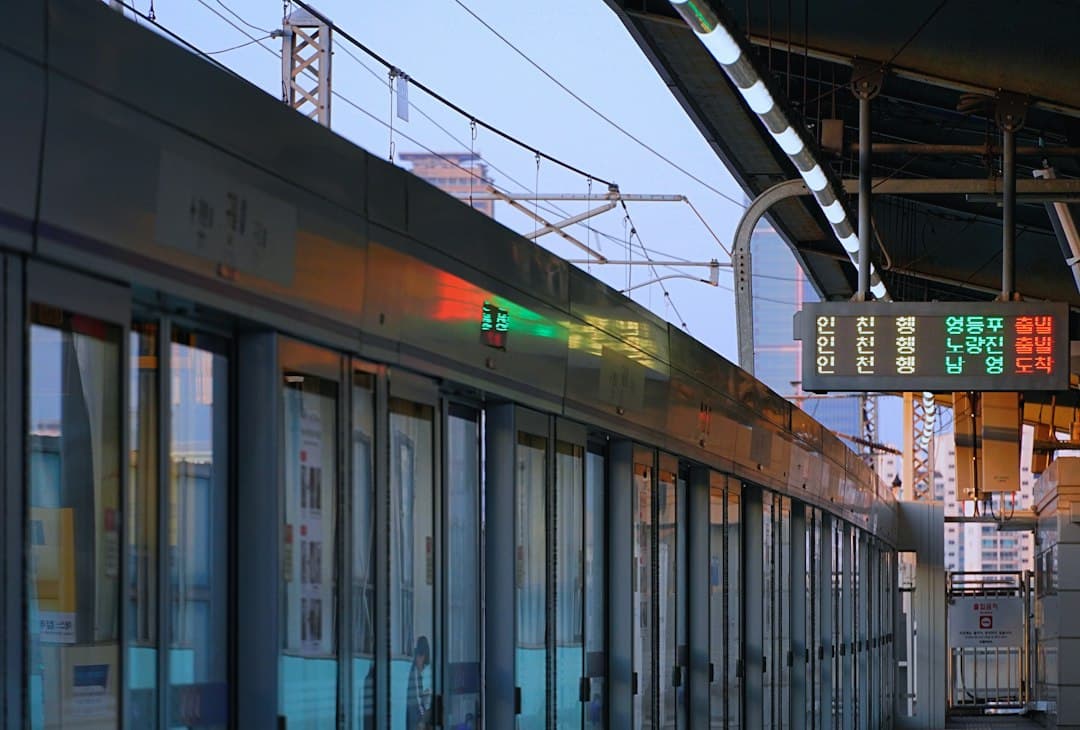
South Korea's network is dense, but rail and subway strikes have been announced for November 2026. You'll learn which card to choose, how to get around the cities and between them, and what alternatives to plan for if trains or the AREX are disrupted. You'll also learn where to check information before you leave.
A dense network, but one that can be disrupted
In South Korea, the public transport network is very well developed, and many French travelers find it more efficient than the one in France[1]. In the Seoul area, nearly 7.2 million people use it every day, and more than 60% of adults say the subway is their main way of getting around[2].
In large cities like Seoul or Busan, daily life comes down to three things: bus, subway, and walking. Buses cover neighborhoods finely, the subway handles quick trips, and walking connects stations to places of daily life[2].
Rail and subway strikes have been announced for November 2026[3]. It's best to know your alternatives before you need them: they are detailed below.
The transport card: T-money and the others
Traveling without a transport card is possible, but not practical. Paying in cash is becoming a minority choice, and is even impossible on some bus lines, particularly in Seoul and Daejeon, where lines have switched to cashless payment[2].
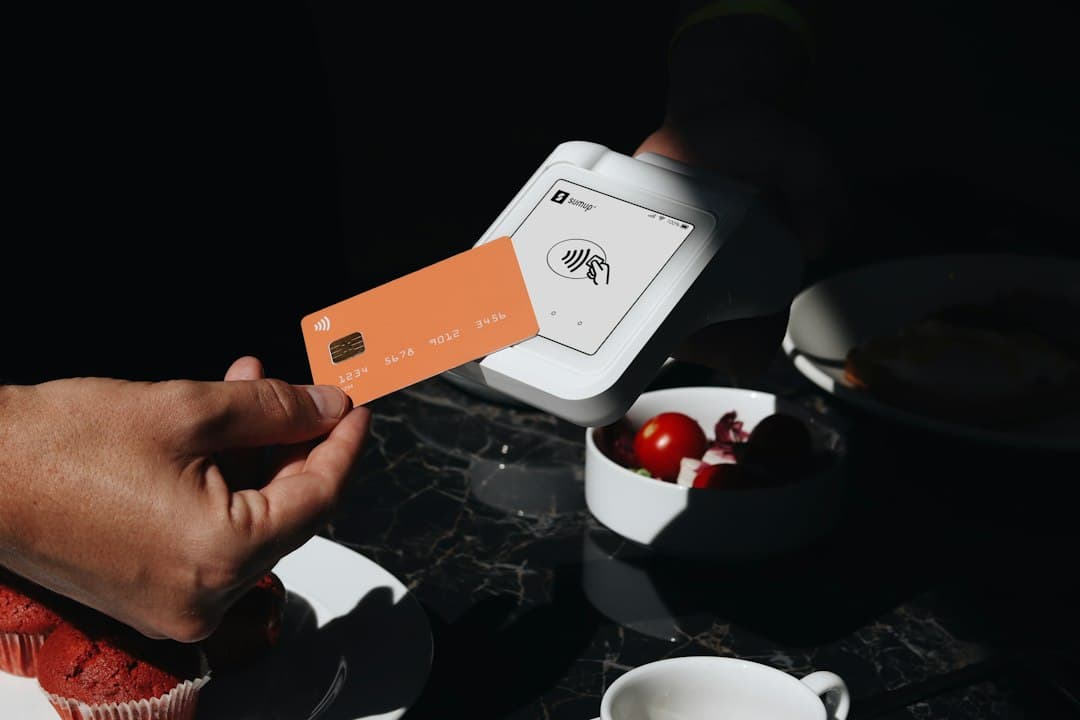
T-money works across the entire country. It lets you pay for the subway and bus, and in most cities for taxis. Some vending machines and shops accept it as well[1].
Other cards also exist: EZL (the new name for Cashbee), WOWPASS, Namane Card and, for Seoul, the Climate Card[2].
Carry cash for top-ups: many machines accept mostly cash. Some take bank cards, but not always, and foreign cards (Visa or Mastercard) don't always work for top-ups[1].
The Mpass, reserved for foreigners, comes in plans lasting 1 to 7 days. It is often considered not worth it for most travelers, unless you make a very large number of daily trips[2].
Subway and bus in Seoul and beyond
In Seoul, a single transport card works successively for the subway, the bus, sometimes taxis, and even public bikes, with discounts on transfers[2].
This system is complemented by the national train network run by the public company Korail, which connects the major cities, and by a dense web of intercity buses that serve mid-sized towns and areas not covered by rail[2].
Intercity trains: KTX, SRT, and express buses
- KTX: operated by Korail, it resembles the TGV and runs at very high speed between the major cities[1].
- SRT: a high-speed train that connects several major cities from Suseo station in Seoul. The SR company operates it and offers an alternative to the KTX, often at more attractive fares[1].
- Mugunghwa: a classic train, slower than the KTX or SRT, which serves many stations, including small towns that fast trains don't reach[1].
- Express bus (gosok): slower, but comfortable, it serves most of the country's cities from Seoul and suits a limited budget[1].
Express bus companies offer several bus types (economy, excellent, premium) depending on the level of comfort you want[1].
To book a bus, Klook is often the simplest solution for tourists, while Kobus works mainly with a Korean account and local payment. Without online booking, you can buy your ticket at the counter or at the kiosks in the departure station[1].
Taxi and ride-hailing
KakaoTaxi is the dominant ride-hailing app in South Korea, with standard metered fares (check the current base fare). Uber has operated through KakaoTaxi since 2018, as part of an alliance[4].
Kakao T works with a KakaoTalk account, the messaging app widely used in Korea. Knowing a few words of Korean can help when hailing a taxi on the street[1].
Renting a Car: When to Consider It
Renting a compact car costs roughly 60,000 to 100,000 KRW per day. It requires an International Driving Permit (IDP) and a passport[5].
Things to Watch Out For: Strikes, Payment and Weather
Strikes Announced for November 2026
- The airport railway branch AREX is maintaining its one-day warning strike on Friday, November 13. Further action may follow, so allow extra time for airport transfers and consider the airport bus[3].
- The Korean Rail and Subway Unions Council is preparing a joint strike after November 20, 2026. No specific start date has been announced, and six unions, including those at Korail and Seoul Metro, have voted in favor of striking[3].
- Essential service rules require part of the service to be maintained: earlier reports set AREX's minimum at 69.2% of weekday trains. Service will therefore be reduced, not suspended[3].
Payment and Booking
- Foreign bank cards don't always work for topping up a T-money card, and many machines mainly accept cash, so keep some change on hand[1].
- The Mpass can be bought and topped up with cash or a Korean bank card. Without a local account, you may sometimes have to go through Tmoney's head office to get a refund[2].
- Kobus works mainly with a Korean account and local payment: for an express bus, Klook is often simpler[1].
Severe Weather
France Diplomatie recommends limiting travel during severe weather and following the instructions of local authorities[6].
Plan B in Case of Strikes and Sources to Follow
- Before any trip after November 20, recheck the notices from Korail and Seoul Metro[3].
- To get to the airport, if AREX is on strike, consider the airport bus[3].
- For intercity travel, compare the train (KTX, SRT), the express bus, a taxi, or a rental car[1].
- For official guidance, check France Diplomatie's "Latest News and Alerts" page and, for weather alerts, the website of the Korea Meteorological Administration (KMA)[6].
Checklist Before You Go
- A T-money card in your pocket, topped up with cash.
- A KakaoTalk account if you plan to use Kakao T[1].
- An international permit and your passport if you're considering renting a car[5].
- Strike notices from Korail and Seoul Metro checked before each departure[3].
- A backup route planned: airport bus, express bus, or taxi.
This article covers the essentials for getting around. It does not detail exact subway and train fares, transfer rules, or step-by-step booking: check the operators' websites before you travel for these points.
Sources
- 1.^ abcdefghijklmnmujigaetravel.com — Transportation in South Korea - Mujigae Travel: “South Korea's public transportation network is very well developed. Many French travelers find it more efficient than the one in France.”; “You can use it throughout the country. You can easily pay for the subway and bus. In most cities, you can also use it for taxis. Some vending machines and shops accept this payment.”; “Plan for some change. Many machines mainly accept cash. Some accept bank cards, but not always. Foreign cards (Visa or Mastercard) don't always work for top-ups.” https://mujigaetravel.com/2026/04/19/comment-se-deplacer-en-coree-du-sud (accessed November 11, 2026)
- 2.^ abcdefghcyriljarnias.com — South Korea public transport: complete guide to subway, bus, trains, and cards: “In the Seoul area, nearly 7.2 million people use public transport every day, and more than 60% of adults say the subway is their main way of getting around.” ; “In big cities like Seoul or Busan, the Bus – Subway – Walking trio sums up daily life well: buses to weave through neighborhoods finely, the subway for fast trips, and lots of walking between stations and places of life.” ; “Traveling without a transport card is possible, but frankly not very practical. Paying in cash is becoming a minority choice, and even impossible on some bus routes, especially in Seoul and Daejeon where some lines have switched to cashless.” https://www.cyriljarnias.com/expatriation/installer-coree-du-sud-expatrie-guide-complet/transports-communs-coree-sud-guide-pratique/ (accessed November 11, 2026)
- 3.^ abcdefgtripover.app — South Korean rail and subway unions are preparing a joint strike after November 20; the AREX strike on November 13 is still on | Tripover: “The Council of South Korean Rail and Subway Unions, a member of the KCTU’s public services union, is preparing a joint strike after November 20, 2026, Herald Economy reported on November 9.” ; “The airport rail branch AREX, which voted separately, is keeping its one-day warning strike on Friday, November 13.” ; “Plan extra time for airport transfers on November 13 and consider the airport bus.” https://tripover.app/fr/news/korea-rail-subway-joint-strike-from-20-november (accessed November 11, 2026)
Show 3 more sourcesShow less
- 4.^Mira Knowledge — KakaoTaxi is the dominant ride-hailing app in South Korea, with standard metered fares (base fare of 3,800 KRW). Uber has operated through KakaoTaxi since 2018 under a partnership. Verified on 06/11/2026: official source english.seoul.go.kr. https://english.seoul.go.kr/policy/transportation/modes-of-transport (accessed June 11, 2026)
- 5.^ abMira Knowledge — Car rental in South Korea costs roughly 60,000 to 100,000 KRW per day for a compact car, and requires an International Driving Permit (IDP) and a passport. Verified on 06/11/2026: official source english.seoul.go.kr. https://english.seoul.go.kr/policy/transportation/modes-of-transport (accessed June 11, 2026)
- 6.^ abdiplomatie.gouv.fr — South Korea - Travel advice - Latest news and alerts - Page 1 of 1 - France Diplomatie | France Diplomatie: “It is recommended to limit travel during bad weather, drink water regularly, limit physical activity to the hottest hours, and follow the instructions of local authorities.” ; “Weather alerts and official recommendations are available on the website of the Korea Meteorological Administration (KMA).” https://www.diplomatie.gouv.fr/fr/information-par-pays/coree-du-sud/dernieres-minutes-et-alertes (accessed November 11, 2026)



