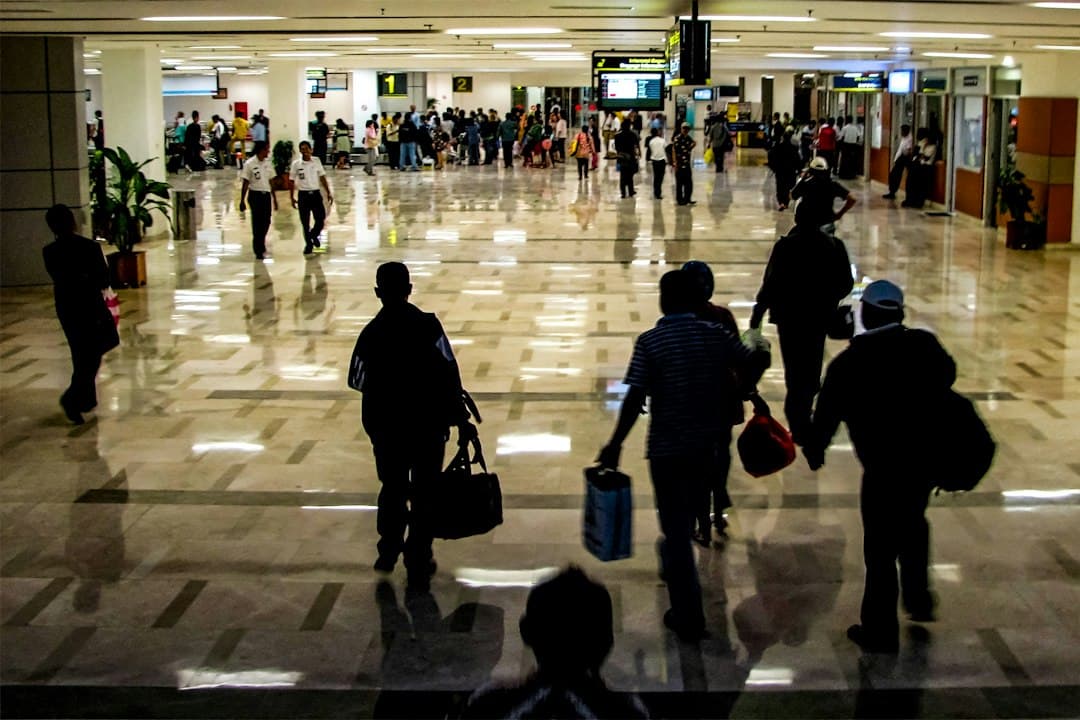
When a flight is cancelled or rescheduled in Malaysia, you often arrive tired, rushed, and with a plan to rebuild. This article helps you spot the traps that take advantage of this moment, remember your travel insurance, and keep some margin in your trips when you're hopping between countries.
First Reflexes When Your Flight Changes
A flight change is a moment of confusion: travel fatigue, jet lag, and the language barrier can dull your vigilance[1]. That is exactly when mistakes get expensive, whether financially or administratively.
The first reflex is to slow down. Take the time to understand what is being offered before you decide to pay, sign, or buy anything. Learning to slow down, observe, and step back already eliminates a large share of the risks[1].
Traps, Scams, and Points to Watch
Tourist scams don't rely on naivety but on haste, confusion, and stress[1]. A traveler whose flight just changed often ticks all three boxes. High-traffic areas such as train stations, historic centers, beaches, and airports attract most attempts[1].
Transport: Scams from the Moment You Arrive
Transport scams are among the most common, because they target travelers right on arrival, often tired and in a hurry. Fake taxis, unlicensed drivers, rigged meters, and unnecessary detours all inflate the amount you're charged[1]. Some drivers also claim that the hotel you chose is closed, in order to steer you toward a partner establishment[1].
Favor official taxis, recognized apps, or public transport[1]. Find out the average price of a trip between the airport and the city center: this lets you spot an anomaly immediately[1]. In Kuala Lumpur, for example, one guide for digital nomads indicates roughly MYR 75 (€15) by Grab from KLIA airport to Bukit Bintang, and roughly MYR 12 by bus for a trip of about 1 hour 30 minutes[2].
Currency Exchange and Card Payments
Some exchange offices display attractive rates, then apply high commissions hidden in the fine print[1]. Bank ATMs generally remain the safest way to get local currency[1].
At the card terminal, refuse automatic conversion: accepting it almost always means an extra charge, whereas paying in local currency avoids that conversion surcharge, subject to any fees your bank may apply[1]. Keep receipts for any later verification[1].
Fake Officers and Pressure
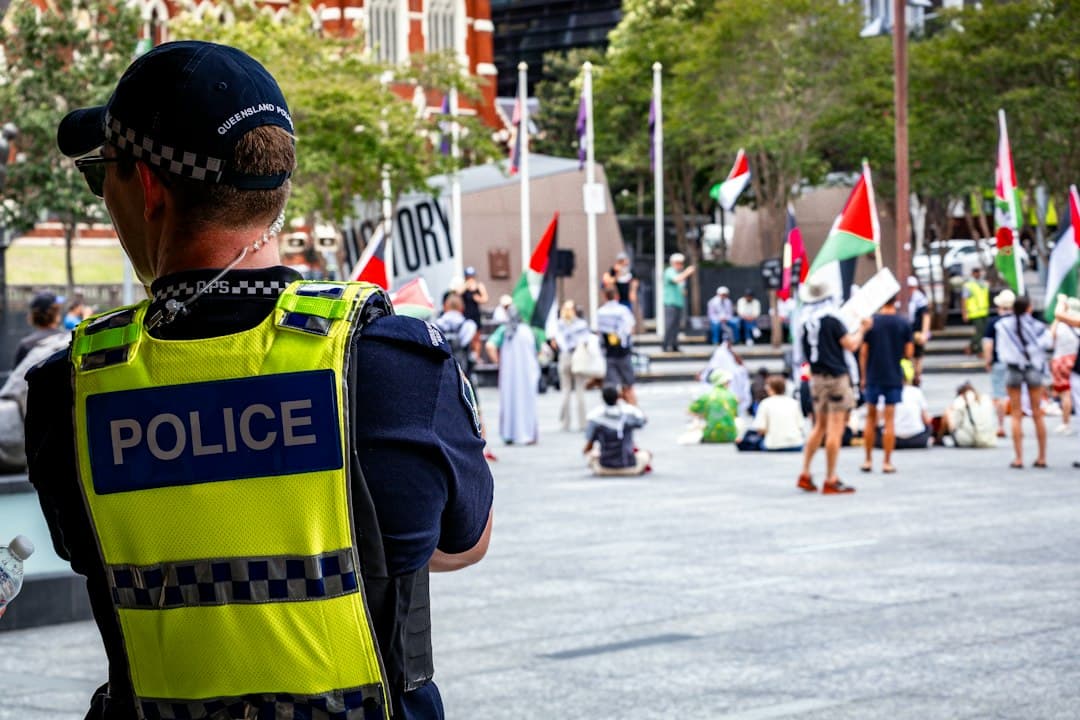
Impersonating police officers or administrative agents relies on the effect of authority: the person claims a document is missing or that a fine must be paid immediately[1]. A genuine officer can clearly prove their identity and never demands immediate cash payment on the street[1]. If in doubt, calmly offer to go to an official police station[1].
The most effective rule remains never to let yourself be pressured into a decision involving money or documents[1].
Travel Insurance: What to Check
Read your policy terms before departure: this is where coverage is spelled out. One online insurer indicates that its terms can be consulted on its website, in the section on policy registration[3].
If the flight is cancelled, notify your insurer without delay and tell them the reason for the cancellation: one online insurer asks that its hotline be informed of the reasons for the flight cancellation[3]. Procedures vary by policy. Before buying a new ticket or booking a hotel night, call your insurer to find out what they agree to cover.
Keeping Flexibility in Your Itinerary
When you work remotely, the authorized length of stay is a first lever of flexibility. In October 2022, Malaysia created a digital nomad visa under the DE Rantau program, which allows you to stay in the country for 3 to 12 months[3]. According to a digital nomad blog, European citizens would get 90 days without a visa; however, the exemption and its duration depend on your nationality, so verify this with the Malaysian authorities before planning your stay[2].
If you plan to leave Malaysia and come back, for example by going through Thailand or Indonesia, check the re-entry rules before booking an alternative trip, to avoid any trouble[2].
Key Takeaways
- Slow down before making any money or document decisions.
- Use official taxis or recognized apps, and check the average price of the airport-to-city-center trip.
- Withdraw cash from an ATM and decline automatic currency conversion at the payment terminal.
- Ask for proof of identity from anyone claiming to be an agent, and never pay cash on the street.
- Notify your insurer as soon as you cancel, stating the reasons.
- Check the re-entry rules before booking an alternative trip.
Sources
- 1.^ abcdefghijklmnopleparisien.fr — How to Avoid Travel Scams? - Le Parisien Buying Guide: “Travel fatigue, jet lag, the euphoria of discovery and the language barrier can impair vigilance.” “Learning to slow down, observe and step back already eliminates a large part of the risks.” “They are not based on naivety but on haste, confusion and stress.” https://www.leparisien.fr/guide-shopping/loisirs-voyages/voyages/comment-eviter-les-arnaques-en-voyage-04-12-2025-7TPB6Z3LW5A4FKZKXU7CQ3DNME.php (accessed October 29, 2026)
- 2.^ abcnomadesdigitaux.com — Digital Nomad in Malaysia: My Practical Guide to Kuala Lumpur and the Islands - Digital Nomads: “Grab: the most convenient and often the cheapest. Expect about 75 MYR (€15) to reach Bukit Bintang.” “Bus: the most economical option (about 12 MYR), but it takes about 1 h 30.” “If you are a European citizen, you get 90 days without a visa in Malaysia.” https://nomadesdigitaux.com/nomade-digital-malaisie/ (accessed October 29, 2026)
- 3.^ abcvisitworld.today — Visit World - : “You can review the terms of the insurance contract on our website, in the section on registering the insurance policy.” “Please inform the portal hotline of the reasons for cancelling the flight.” “On October 1, 2022, the Malaysian authorities introduced their own digital nomad visa under the DE Rantau program, which will allow digital nomads to stay in the country for 3 to 12 months, with the possibility of a one-year extension.” https://visitworld.today/fr/malaysia/canada-citizenship/digital-nomads (accessed October 29, 2026)