You're arriving in Japan for a few weeks or a few months, without a local bank account or a resident card. This article follows the order in which problems tend to show up: staying connected, managing your money, paying day to day, and then getting around. You'll learn what works right from arrival, what requires a registered residence, and where newcomers most often get stuck.
Staying connected: eSIM, prepaid SIM, or monthly SIM
Several providers offer Japanese eSIMs that you can activate before you arrive[1]. Mobal, Sakura Mobile, and international providers such as Airalo or Holafly offer data eSIMs for Japan[1]. For a stay of one to three months, a monthly Japanese eSIM plan is often the most convenient option[1].
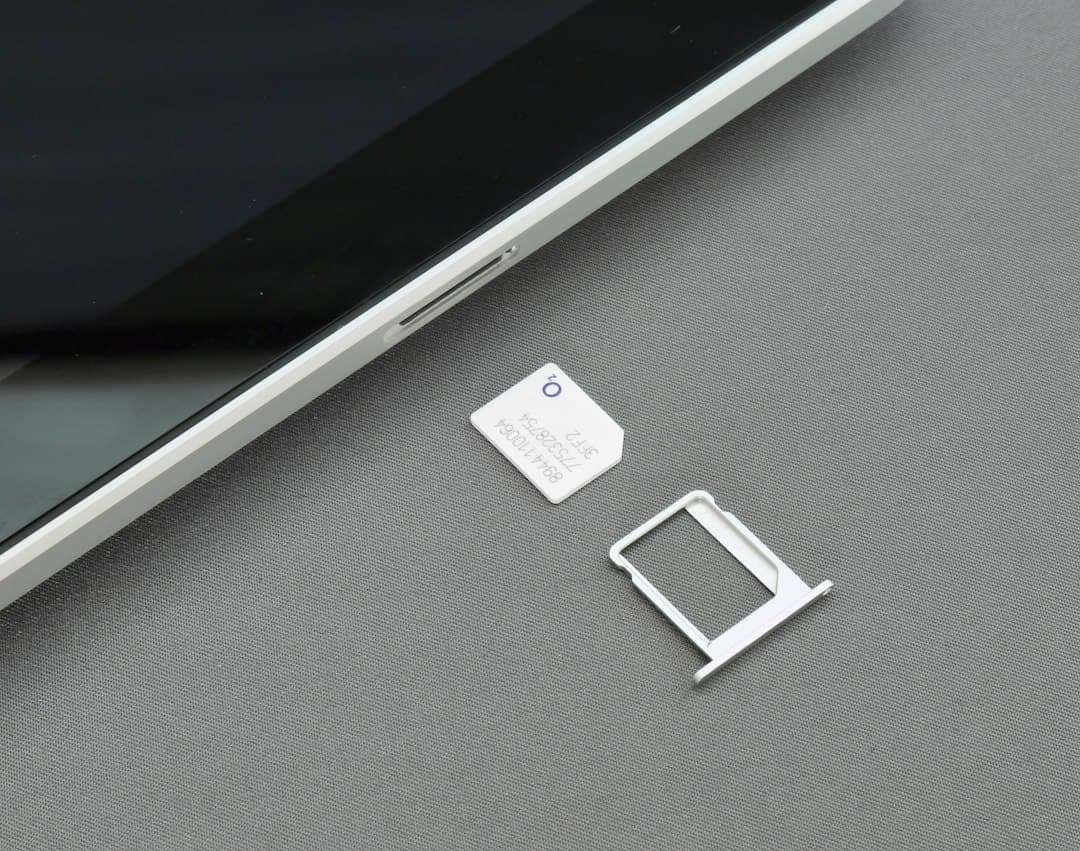
If you prefer a prepaid SIM card, operators such as IIJmio, Mineo, or Sakura Mobile offer them, and you don't need a Japanese bank account to get one[2]. This source is aimed at holders of a digital nomad visa[2].
Physical data SIMs on monthly contracts from IIJmio, OCN Mobile, and Mineo also exist: a monthly plan with 15 GB costs about 1,500 to 2,000 yen[1]. They require a Japanese address for delivery, such as that of a guesthouse or a rented apartment[1]. If you arrive without an address, an eSIM avoids this roadblock.
Network, coverage, and fiber: what to expect
The mobile market is dominated by NTT Docomo, KDDI (au), and SoftBank; Rakuten Mobile is the fourth operator[3]. 4G covers nearly the entire population (99%), and 5G covers the major metropolitan areas (Tokyo, Osaka, Nagoya) and the main train stations[3].
In terms of speed, the median mobile download speed is 123.19 Mbps (April 2026)[4]. The internet infrastructure is very reliable, with fiber penetration above 80% of eligible households[5].
If you rent an apartment for a month or more, fiber (hikari) is available in most of the country[1]. Installation takes one to two weeks and requires a Japanese phone number[1]. Plan for a mobile connection in the meantime.
Money: opening an account or doing without
Japanese bank accounts are hard to open without a residence certificate (juminhyo), which presupposes a registered residence[1]. For a short stay, it's best not to count on a local account.
For stays of less than six months, international debit and credit cards work at 7-Eleven and Japan Post ATMs[1]. Wise and Revolut accounts significantly reduce foreign-currency transaction fees[1].
Paying day to day: cash, IC cards, mobile payments
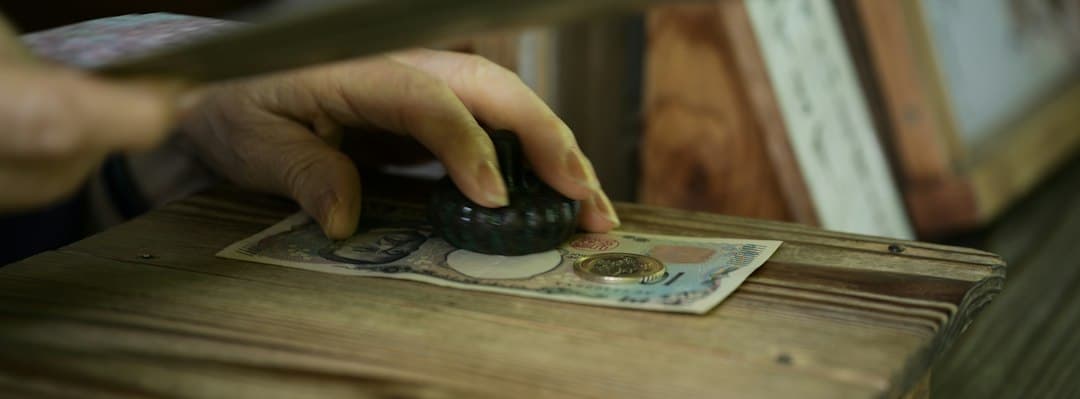
Keeping some yen in cash remains essential for many transactions[1].
For transport and some purchases, Suica and PASMO cards on your smartphone are now accepted on nearly all local lines, including in many rural areas that previously lacked them[6]. QR code payments (PayPay, Suica, etc.) are widespread[6].
JR East launched the Welcome Suica Mobile app on March 6, 2025: it lets you issue and top up your Suica card from your smartphone, without going to ticket counters or machines[6]. It is available in English and works with iPhone and Apple Watch[6].
Sales of unregistered physical Suica cards resumed on March 1, 2025, but the mobile option remains the most convenient for most travelers[6].
Getting around by train and subway
Trains are exceptionally punctual[7]. For beginners in Japanese, English announcements are helpful[7].
In big cities, the subway is a good way to get around, but learning to use it takes a bit of practice: it's normal to feel a little lost during your first few days[8]. Google Maps is very useful[8].
On the budget side, the average monthly cost of transport passes comes to 10,000–15,000 yen (roughly €65–100)[9]. Long-distance trips cost much more: a one-way Shinkansen from Fukui to Osaka runs about 7,000 yen[7].
Pitfalls and Things to Watch For
- A Japanese bank account is hard to open without a residence certificate (juminhyo), which means without a registered residence. Without one, plan on international cards and cash[1].
- Home fiber requires a Japanese phone number and one to two weeks for installation. Keep a mobile connection in the meantime[1].
- Physical monthly SIM cards require a Japanese address for delivery[1].
- With a mobile IC card, a charged smartphone becomes essential[6].
- Some rural areas may still have limitations for mobile cards. Check before staying in very remote places[6].
- The Shinkansen and long-distance trips can quickly weigh on your transport budget[7].
Steps, in Order
- Before departure: choose and install a Japanese eSIM, to be activated on arrival[1].
- Bring an international debit or credit card, and possibly a Wise or Revolut account[1].
- On arrival: withdraw yen at 7-Eleven or Japan Post ATMs[1].
- Install Welcome Suica Mobile if you have an iPhone or Apple Watch, and top up the card[6].
- For accommodation of one month or more: plan ahead for fiber and its installation delay[1].
- Choose a monthly transport pass if you travel a lot in the city, budgeting 10,000 to 15,000 yen[9].
- In Japanese cities, rely on Google Maps and allow a few days to adjust to the subway[8].
This article covers the essentials of your first few weeks. It does not detail the steps to open a bank account once you are a resident, nor regional or long-distance transport passes. To settle in for real, these points require going further.
Sources
- 1.^ abcdefghijklmnopqrjapan-atlas.com — Digital Nomad Guide to Japan: Visas | Japan Atlas: "Several providers offer Japanese eSIMs that can be activated before arrival." "Mobal, Sakura Mobile and various international eSIM providers (Airalo, Holafly) offer data eSIMs for Japan." "For stays of one to three months, a monthly Japanese eSIM plan is often the most practical." https://www.japan-atlas.com/fr/blog/nomade-numerique-japon (accessed November 6, 2026)
- 2.^ abfr.y-axis.com — Why apply for a digital nomad visa for Japan? "Foreign nationals holding a digital nomad visa can buy a prepaid SIM card from operators such as IIJmio, Mineo or Sakura Mobile, without needing a Japanese bank account." https://fr.y-axis.com/visa/work/japan/digital-nomad-visa (accessed November 6, 2026)
- 3.^ abMira Knowledge — The Japanese mobile market is dominated by NTT Docomo, KDDI (au) and SoftBank; Rakuten Mobile is the fourth operator. Verified 06/11/2026: reference source gsma.com. https://www.gsma.com (accessed June 11, 2026)
Show 6 more sourcesShow less
- 4.^Mira Knowledge — Japan's median mobile download speed is 123.19 Mbps, ranking the country 65th worldwide on the Speedtest Global Index (April 2026). Verified 06/11/2026: reference source speedtest.net. https://www.speedtest.net/global-index/japan#mobile (accessed June 11, 2026)
- 5.^Mira Knowledge — Japan has a highly reliable internet infrastructure. Fiber optic penetration is high (over 80% of eligible households). Verified 06/11/2026: official source soumu.go.jp. https://www.soumu.go.jp (accessed June 11, 2026)
- 6.^ abcdefghryukoch.com — Japan 2026: Essential Changes to Know Before You Travel: "Suica and PASMO cards on smartphones are now accepted on almost all local lines, even in many rural areas that previously lacked them." "QR code payments (PayPay, Suica, etc.) are everywhere, and mobile tickets with digital receipts are now the norm." "JR East launched the Welcome Suica Mobile app on March 6, 2025, which lets you issue and top up your Suica card directly from your smartphone, without going to ticket counters or machines." https://ryukoch.com/fr/blogs/japon-2026-changements-touristes (accessed November 6, 2026)
- 7.^ abcdstudyinjapan.go.jp — Daily Life of an International Student | Official Study in Japan Website: "Trains are exceptionally punctual." "For international passengers and beginners in Japanese, announcements in English are helpful." "Transport costs are relatively high, with the Shinkansen costing about 7,000 yen for a one-way trip from Fukui to Osaka." https://www.studyinjapan.go.jp/fr/why/student-stories/leangsin.html (accessed November 6, 2026)
- 8.^ abcfr.cabinzero.com — Digital Nomad Japan: Practical Guide & Costs + Free Budget Template | CABINZERO: "Learning to use it takes a bit of practice. It's normal to feel a little lost and to run into difficulties in the first few days." "Google Maps is also very useful." https://fr.cabinzero.com/blogs/digital-nomad/digital-nomad-japan (accessed November 6, 2026)
- 9.^ abdeel.com — Living in Japan: The Complete Guide to Settling In | Deel: "The average monthly cost of transport passes comes to 10,000–15,000 yen (roughly €65–100)." https://www.deel.com/fr/blog/vivre-au-japon (accessed November 6, 2026)