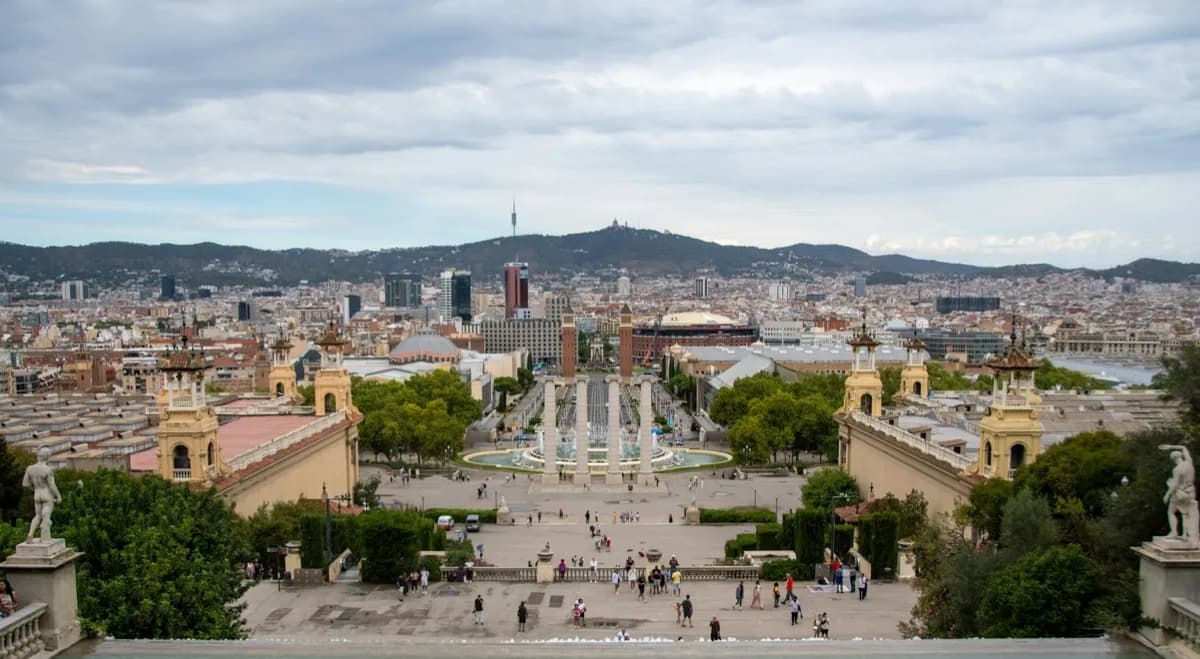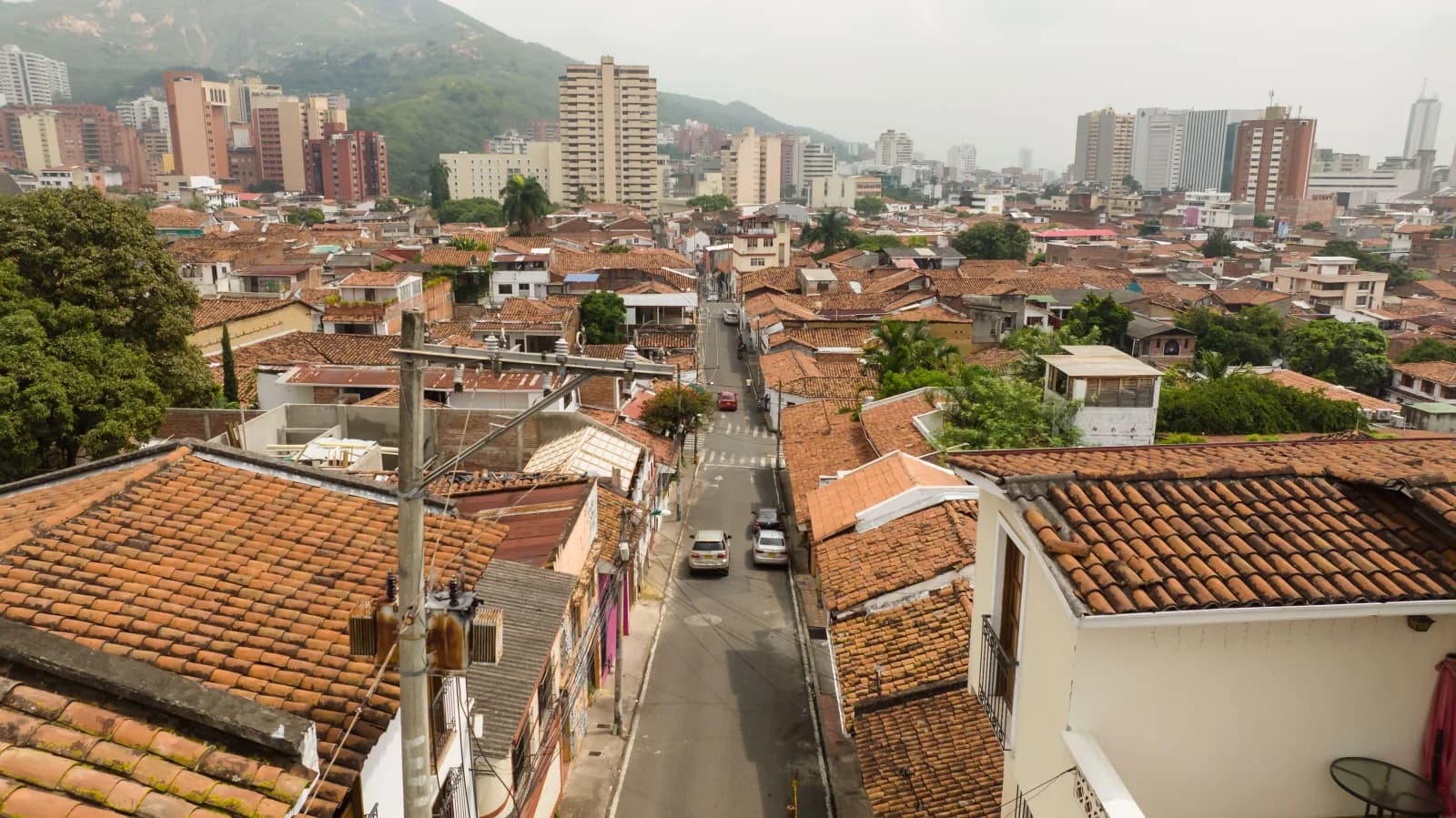
Medellín, tucked into a valley in the Andes and Colombia's second-largest city, has spent the last decade becoming one of Latin America's most popular bases for remote workers, known for its mild climate, growing coworking scene, and relatively easy pace of life. That popularity is also why the city, working with the National Police, spent the first half of 2026 stepping up inspections of residential buildings in El Poblado being used as short-term tourist lodging, logging dozens of technical reports and finding multiple properties operating without the required national tourism registration.[1] Nobody wrote those inspection reports to scare remote workers away. They wrote them because a genuinely great neighborhood was growing fast, and growth like that needs some care to stay great.
That is worth knowing before opening yet another "cost of living in Medellín" guide, especially since most of them were written when the euro bought far more pesos than it does now.
Why people have kept choosing Medellín
The interest in Medellín did not start this year, and it was never only about price. The city calls itself the "city of eternal spring," temperatures holding between 18 and 27°C year round, and pairs that climate with infrastructure that is unusually solid for the region: a functioning metro, reliable fiber internet, private healthcare people can actually use. A fast-growing international community and a setting that mixes dense urban life with mountains on every horizon made it a place built for staying a while, not passing through.
That durability shows up in the numbers too. Medellín placed twenty-third globally among more than 16,000 remote workers surveyed in 2026, the only Colombian city in the top thirty.[2] It is the reason "slowmad" stays, several months at a time instead of a quick visit, became common here in the first place, long before anyone was writing about exchange rates.
Why the numbers you have seen already look outdated
The Colombian peso has strengthened sharply against the euro over the past year. One euro traded for roughly 4,700 to 4,750 pesos in August 2025. By August 2026, that same euro traded for around 3,550 to 3,635 pesos, about 22 to 24 percent fewer pesos per euro.[3] Medellín has not gotten more expensive in any real sense. The money changing hands to get there has changed instead, and most guides still in circulation do not say when they were written.
What a month actually costs
A realistic 2026 monthly budget for a single remote worker falls somewhere between 900 and 3,000 USD, and where you land in that range has far more to do with lifestyle than with Medellín itself. A lean, budget-conscious setup lands closer to 900 to 1,200 USD. A comfortable month, decent apartment, regular coworking, a normal social life, sits around 1,200 to 1,800 USD.[4] A higher-comfort setup with a nicer apartment, frequent restaurants, and more nightlife can reach 2,000 to 3,000 USD or more.
Coworking runs about 221 USD a month on average, in line with most flexible-desk memberships in El Poblado and Laureles.[5] Food, transport, and phone or data plans round out a typical budget and have barely moved in peso terms. What moved is how far a euro stretches once it lands here.
Neighborhood does more to your budget than any other single choice
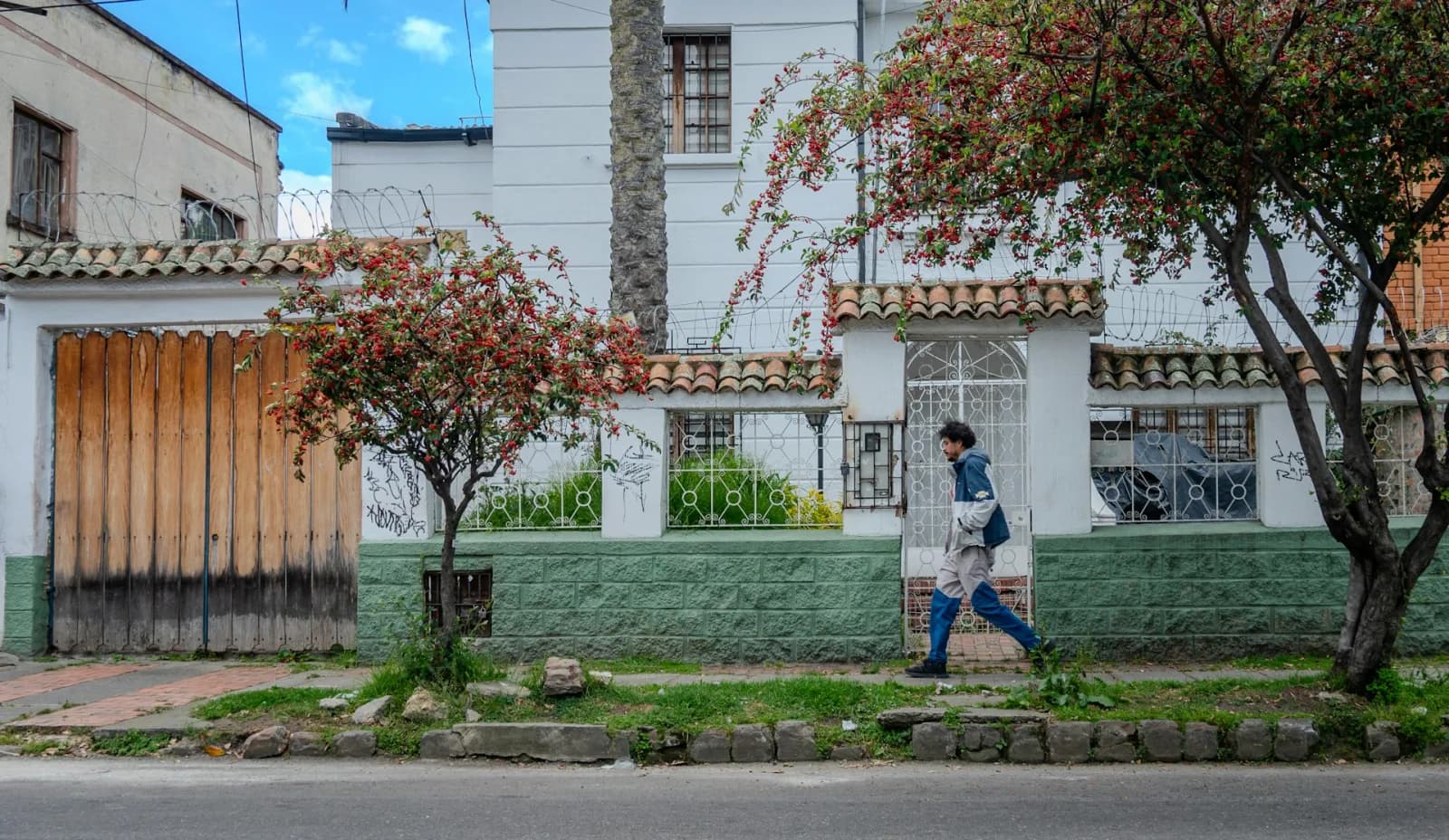
El Poblado, the most internationally oriented part of the city, runs 800 to 1,300 USD for a furnished one-bedroom.[6] Living the local Medellín experience often starts with noticing that this price reflects convenience and the concentration of foreign residents as much as the apartment itself.
Laureles costs roughly half that, 450 to 800 USD, and its reputation has shifted a lot in recent years, now seen as a solid, safe base for a longer stay rather than the fallback to El Poblado it used to be.[7] Envigado and Sabaneta go lower still, generally 300 to 700 USD, slower paced and more local, better suited to a stay measured in months than weeks.[6] Moving fifteen to thirty minutes outside the most concentrated expat zones tends to lower cost while improving quiet and space, a trade-off rarely mentioned in guides built around convenience for a first visit.
What that money is actually buying
Fiber in coworkings commonly reaches 100 to 500 megabits per second, and most laptop-friendly cafés offer 50 to 150, on par with what remote workers expect in Western Europe.[8] That infrastructure, not just square footage, is part of what someone is paying for.
There is also a pattern known locally as "gringo pricing," foreigners quoted above local market rates, especially on furnished apartments in El Poblado.[9] A price like 1,300 USD for a one-bedroom often gets called reasonable, and it can be, though better value is easy to find a few blocks over for anyone who takes a moment to compare. Understanding what it actually means to become a digital nomad includes learning to spot the difference between a fair local price and one set for someone who isn't expected to shop around.
Choosing Medellín is also choosing how you show up
Go back to those inspections in El Poblado. They exist because a neighborhood full of people with rents and routines had, building by building, been absorbing more short-term listings than its housing rules were built to handle. That is not a footnote to the budget conversation. It is the actual question underneath it: not just what does Medellín cost, but what does it cost Medellín.
A few honest questions do more work here than any amount of guilt. Where does the money go, toward neighborhood businesses and fairly paid local guides, or exclusively toward international platforms. Is a place being consumed or actually lived in, the difference between photographing a street and spending real time on it. What does someone know about Medellín beyond the handful of stories that travel internationally, since this city is not reducible to Pablo Escobar any more than Bogotá is reducible to conflict. How someone behaves in a shared building, at night, in someone else's neighborhood, matters exactly as much here as it would at home. And what gets left behind matters too, not only money, but relationships, respect, and support for local businesses that outlasts a single stay.
This is not a call to feel bad about coming. It is an invitation to come well. Medellín has room for people who want to build a real life there, even a temporary one, and staying curious about the place instead of just consuming it is what tends to make that life feel worth having.
Key takeaways
- Medellín's appeal predates the current cost conversation: climate, infrastructure, and community made it a slowmad destination well before affordability became the talking point.
- The city's cost of living has not shifted dramatically. The EUR/COP exchange rate has, by roughly 22 to 24 percent over the past year, which changes what a European income converts to.
- A realistic monthly budget for a single remote worker spans about 900 to 3,000 USD, driven mostly by lifestyle and neighborhood, not by Medellín itself.
- Neighborhood is the single biggest lever: El Poblado runs 800 to 1,300 USD for a one-bedroom, Laureles about half that, Envigado and Sabaneta lower still.
- "Gringo pricing" is real and worth budgeting around, especially in the most internationally concentrated pockets of El Poblado.
- The city is actively regulating short-term rentals in response to housing pressure. How someone arrives and behaves matters as much as how much they spend.
Conclusion
The old shorthand, "everything is cheap in Medellín," was never quite right, and it matters even less now that the exchange rate has moved. What matters is budgeting off numbers that reflect where things actually stand today. Medellín is still one of the best-value, most livable bases for remote work in Latin America, current numbers just make that case a lot better than outdated ones do.
Medellín is also where Hello Mira runs its own small-group masterclasses and trips, and that is exactly why we wanted this piece to give you something current rather than a rehash of what has been circulating for two years. If you want the fuller picture, budgets, neighborhoods, visas, safety, and how to settle in well, the Medellín guide walks through all of it in one place.
Join Hello Mira
Discover how to travel better, longer, with a positive impact on local communities.
Join Our CommunitySources
- 1.^Alcaldía de Medellín : Medellín refuerza controles para frenar el uso indebido de viviendas como alojamientos temporales (2026), corroborated by Rio Times Online, Medellín Tightens Crackdown on Airbnb-Style Short-Term Rentals Used by Foreigners (2026)
- 2.^Nomads.com : 2026 Digital Nomad City Rankings (2026)
- 3.^Wise : Euro to Colombian Pesos Historical Exchange Rates (accessed August 2026)
Show 7 more sourcesShow less
- 4.^RentRemote : Cost of Living Medellín, What You'll Actually Spend in 2026 (2026)
- 5.^Nomads.com : Cost of Living in Medellín (August 2026)
- 6.^ abMidlifeNomads : Cost of Living in Medellín, Colombia (2026)
- 7.^MyMedellinTrip : Laureles Guide and Safety Update (2026)
- 8.^Mama in Medellín : Medellín Coworking and Café Map Guide (2024, referenced with 2026 context)
- 9.^MedellinAdvisors : Gringo Pricing and Medellín Apartment Rentals (2026)
- 10.DigitalNomadLifestyle : Coworking and Remote Work in Medellín (2026)