
Settling in China for a few weeks or several months also means living in a country exposed to earthquakes. This article helps you identify where the risk is concentrated, which official sources to consult for what to do and how to follow the situation, and how to avoid the pitfalls of accessing sensitive areas or places hit by a disaster.
Earthquake Risk in China: What You Need to Know
China, including Hong Kong and Macao, is exposed to a significant risk of earthquakes[1]. Canadian authorities describe it more broadly as a country prone to natural hazards, including typhoons, floods, landslides and earthquakes[2].
The risk is therefore not limited to remote regions: among the main seismic zones are Hebei Province and the Beijing region[1]. Whether you are in a major city or in the provinces, earthquake risk is one of the factors to build in from the start.
This risk is also covered by law. The Chinese law on earthquake disaster prevention and mitigation organizes monitoring and protection, emergency measures, rescue and reconstruction after an earthquake[3].
Where the Risk Is Most Pronounced
The main seismic zones are Heilongjiang, Sichuan, western Yunnan, the Yangtze basins, Hebei Province and the Beijing region[1]. Western Yunnan and Sichuan are two provinces highly prized by long-term travelers; Hebei and Beijing remind us that the large northern metropolises are affected too.
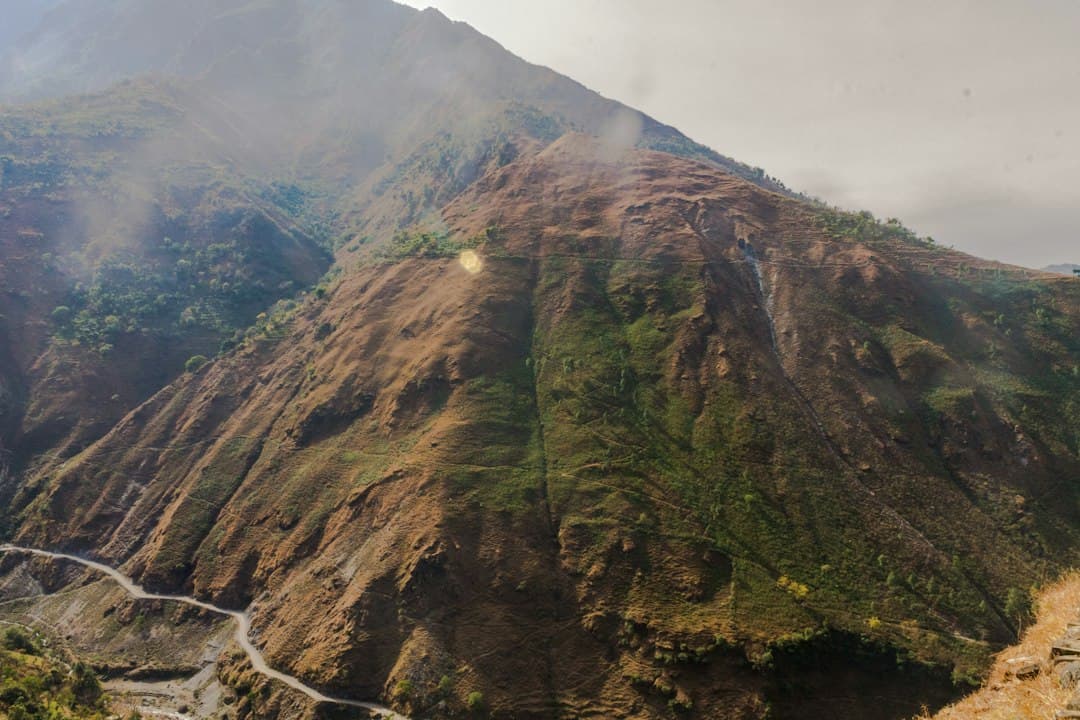
Mountainous areas combine several difficulties. Following the floods and landslides that struck Tibet, in Gyirong district, road networks, electricity and mobile phone service were severely disrupted. Persistent rainfall and unstable slopes kept the risk of secondary landslides and new flash floods high there[4].
This case, which involved floods rather than an earthquake, shows how quickly a natural event in the mountains can cut off roads and communications.
Preparing Your Accommodation and Settling In
French authorities recommend making sure your place of stay offers adequate protection against violent winds and heavy rain and, failing that, moving to a secure location rather than staying isolated[4]. For a stay of several months, this is a concrete criterion to weigh when choosing accommodation, just as much as its location.
If you are targeting coastal provinces, add the typhoon calendar: on average around ten a year hit the southern coast between May and November, especially the coasts of Zhejiang and the entire southern coast, including Guangzhou, Hong Kong and Macao[1].
The Right Reflexes During and After a Tremor
What to do in case of an earthquake is detailed in the authorities' reflex guides: France Diplomatie's, under its Practical Information section[1], and, on the Swiss side, the page of the Federal Department of Foreign Affairs on seismic risks and the recommended behavior during an earthquake[5]. Read them before you arrive rather than on the day of the tremor.
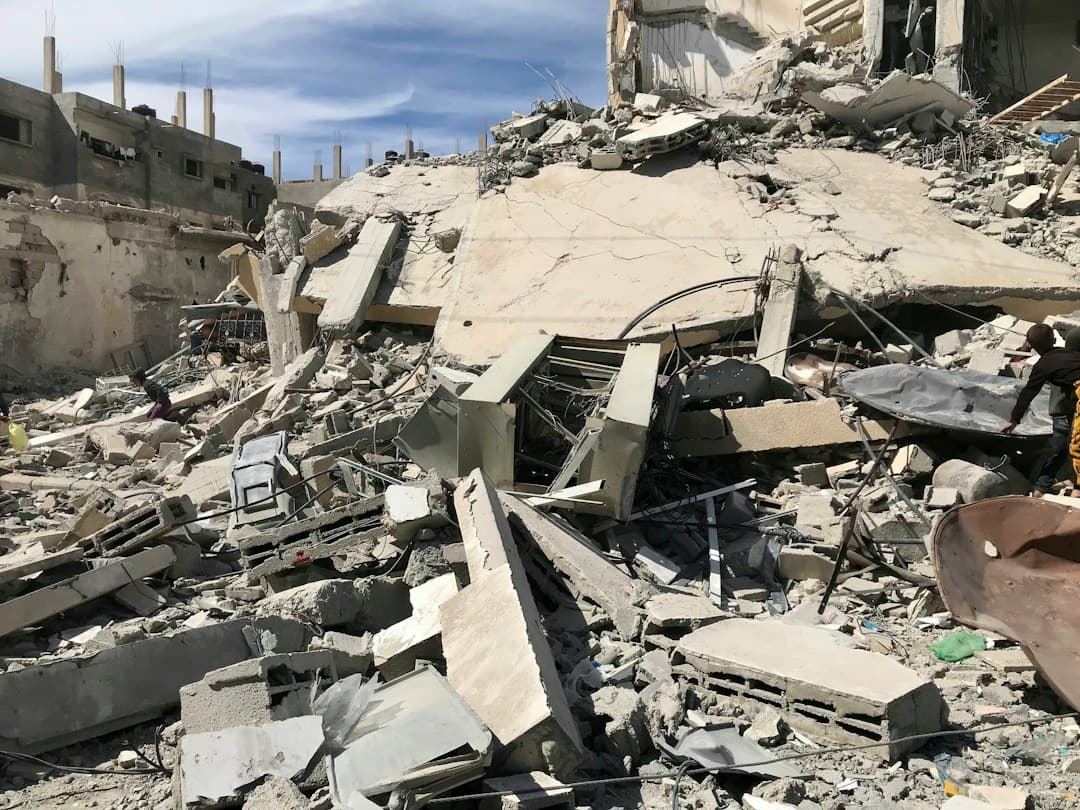
Caution remains necessary after the main shock. In mountainous areas, persistent rainfall and unstable slopes can keep the risk of secondary landslides and new flash floods high[4]. In the event of a disaster, follow local news and official alerts from the Chinese government[4].
Staying Informed and Getting Alerts
- For national and local weather, the China Meteorological Administration website is available in Chinese and English[1].
- The “Latest News and Alerts” page of France Diplomatie publishes current alerts for China[4].
- If you hold French nationality, Fil d'Ariane is a free service from the French Ministry of Foreign Affairs: you register and receive security alerts by SMS or email in case of a serious event, such as a disaster, in your country of stay[6]. If you hold another nationality, check with your own ministry of foreign affairs for an equivalent service.
Emergencies and Useful Contacts
- The police can be reached at 110; according to France Diplomatie, an English-speaking officer may answer, though this is not guaranteed everywhere[1].
- In Hong Kong, in case of an accident, local emergency services can be reached at 999 (police, fire department, ambulance)[1].
- If you are French, the French Embassy in Beijing can be reached by phone at +86 10 8531 2000 (switchboard) or +86 130 41 28 04 70 (emergency number)[4].
- Keep your passport on you: the original is required in case of a check, and it is advisable to leave a copy somewhere safe[1].
Pitfalls, Scams, and Points of Caution
- Access restrictions to certain areas may apply permanently or temporarily; entering an exclusion zone, even unintentionally, exposes you to fines or even detention[1].
- Access conditions for sites and regions can change; check them with the Chinese Embassy in your country, your travel agency, or local authorities[1].
- In Sichuan, authorities may temporarily restrict access to certain prefectures or districts, notably Ganzi, Aba, or Litang, for example during the Tibetan New Year, between February and March[1].
- After a disaster, do not go to the affected area: in Tibet, according to the France Diplomatie alert consulted at the time of writing (flooding of August 26, 2026), the main roads leading to Gyirong district were closed until further notice following floods and landslides[4].
- Chinese police stations in most cases refuse to take complaints from foreigners who are victims of minor offenses; when a complaint is taken, it is most often recorded as a simple incident report that does not open a police investigation[1]. Notify your consulate if necessary.
Key Points to Know Before You Settle In
- Check whether the city or region you are targeting is among the seismic zones cited by the authorities.
- Read the earthquake reflex guides before departure.
- For typhoons and heavy rain, choose accommodation suited to strong winds; for seismic risk, also find out how well the building is built to withstand tremors.
- Subscribe to an official alert source from your country and check local alerts.
- Keep the police number, your embassy's numbers, and your original passport on you.
This article gives you the essentials to get your bearings. To truly settle in, you still need to explore the choice of neighborhood and building, as well as your insurance coverage, which depend on your city and your situation.
Sources
- 1.^ abcdefghijklmdiplomatie.gouv.fr — China - Security | France Diplomatie: “China, including Hong Kong and Macao, is exposed to a significant risk of earthquakes.”; “The main seismic zones are Heilongjiang, Sichuan, western Yunnan, the Yangtze basins, Hebei province, and the Beijing region.”; “Every year, the southern coast of China is affected, between May and November, by an average of about ten typhoons, characterized by strong winds and heavy rainfall. This phenomenon mainly concerns the coasts of Zhejiang province as well as the entire southern coast, including Guangzhou, Hong Kong, and Macao.” https://www.diplomatie.gouv.fr/fr/information-par-pays/chine/conseils-aux-voyageurs-securite (accessed November 7, 2026)
- 2.^travel.gc.ca — China travel advice: “China is prone to natural hazards, including typhoons, floods, landslides, and earthquakes.” https://travel.gc.ca/destinations/china (accessed November 7, 2026)
- 3.^leap.unep.org — Law of the People’s Republic of China on Protecting Against and Mitigating Earthquake Disasters. | UNEP Law and Environment Assistance Platform: “The law provides, in particular, for: seismic monitoring and protection; protection against earthquake disasters; emergency measures in the event of an earthquake; rescue and reconstruction after an earthquake; offenses and penalties.” https://leap.unep.org/en/countries/cn/national-legislation/law-peoples-republic-china-protecting-against-and-mitigating (accessed November 7, 2026)
Show 3 more sourcesShow less
- 4.^ abcdefgdiplomatie.gouv.fr — China - Travel Advice - Latest News and Alerts - Page 1 of 1 - France Diplomatie | France Diplomatie: « Persistent rainfall and unstable slopes maintain a risk of secondary landslides and new flash floods (natural dam breaches). » ; « Road networks, electricity and mobile phone services are severely degraded. » ; « Make sure your place of stay is suitable in terms of protection against violent winds and heavy rain. If not, it is recommended to move to a secure location and avoid staying isolated. » https://www.diplomatie.gouv.fr/fr/information-par-pays/Chine/dernieres-minutes-et-alertes (accessed November 7, 2026)
- 5.^eda.admin.ch — Travel advice for China: « Information on seismic risks and recommended behavior during an earthquake. » https://www.eda.admin.ch/en/travel-advice-for-china (accessed November 7, 2026)
- 6.^Mira Knowledge — Le Fil d'Ariane is the free service from the French Ministry for Europe and Foreign Affairs that lets French travelers heading abroad register and receive security alerts and emergency instructions by SMS or email in the event of a serious incident in their country of stay. Verified on June 13, 2026: official source fildariane.diplomatie.gouv.fr. https://fildariane.diplomatie.gouv.fr/fildariane-internet/accueil (accessed June 13, 2026)



