You can see Chefchaouen on foot, at an unhurried pace. This article covers what to see in the medina, where to watch the city at sunset, how to add a day of hiking in Akchour, how many nights to plan, how to get there, and what to keep in mind once you arrive.
Chefchaouen at a glance: why you should stop here
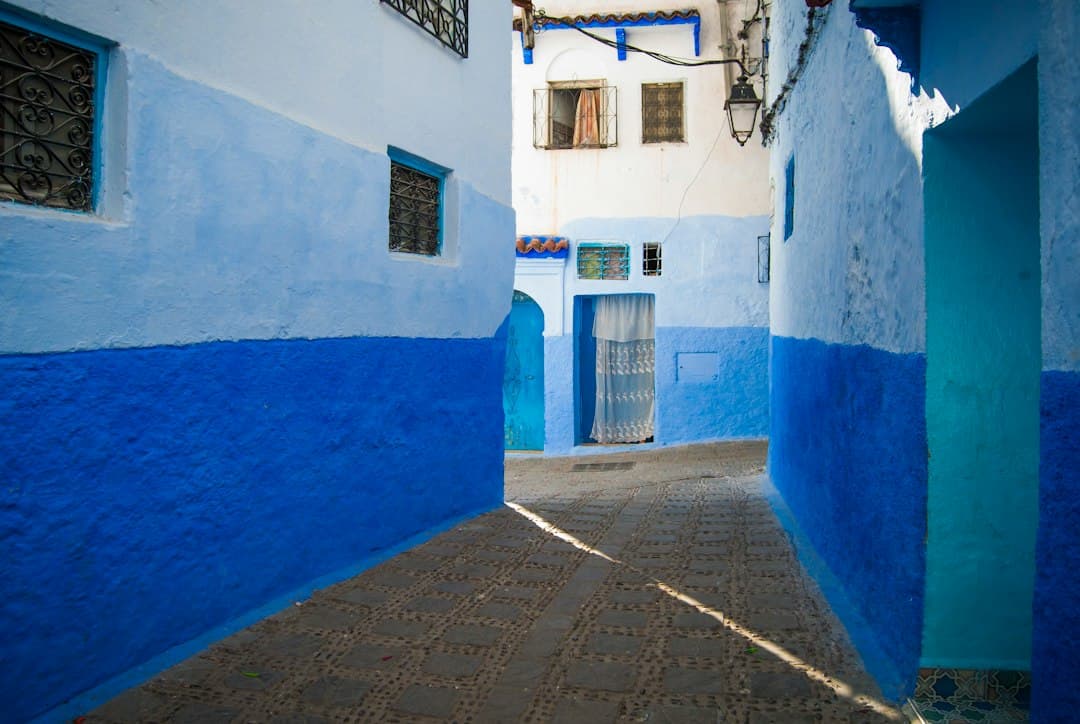
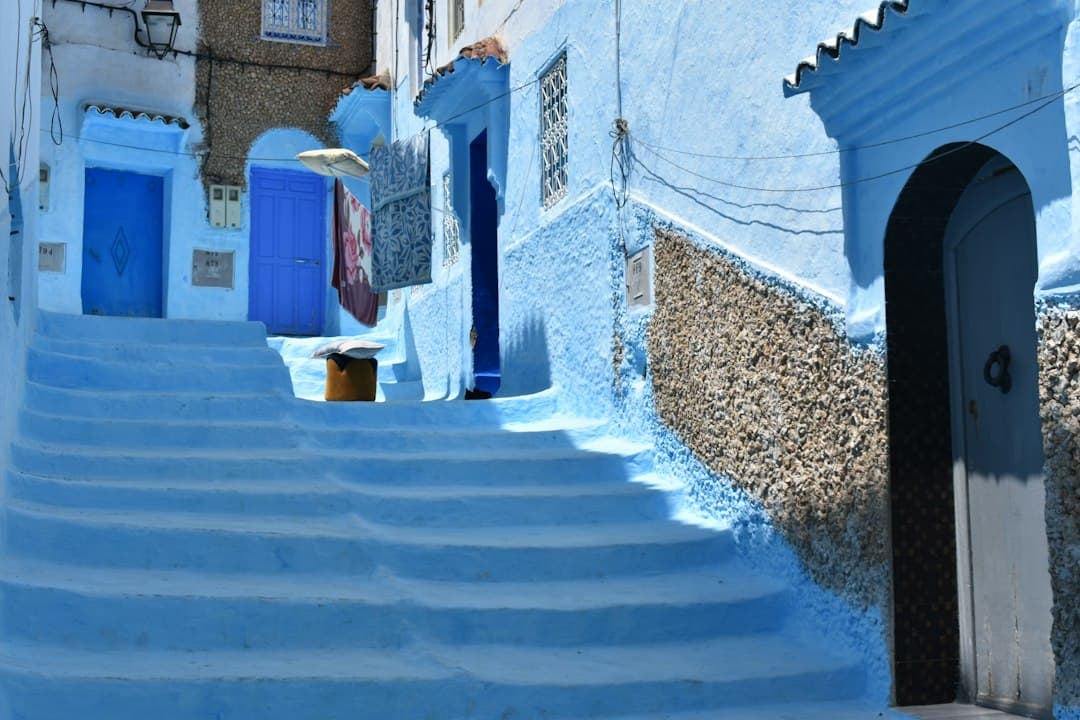
Chefchaouen is a town built into the mountainside in the Rif, where houses painted in blue and white make the whole city look bathed in azure[1]. Its medina is small but authentic: you'll mingle with local residents amid the smell of fresh bread from the oven and tajines[1].
The pace here is gentler than elsewhere in Morocco: daily life unfolds more slowly[2]. On a route through the country, it's a natural counterpoint to the more intense sightseeing days in the imperial cities or long drives[2].
History and culture: an Andalusian town that stayed closed for a long time
Chefchaouen was founded in 1471 by Ali ibn Rashid al-Alami as a small kasbah meant to defend the region against Portuguese attacks[3]. Muslims and Jews who left Spain after the Reconquista settled here, which is why some quarters of the old town recall Andalusia more than North Africa[3].
For nearly five centuries, the town remained largely closed to foreigners[4]. Spanish forces occupied it in 1920, and Spanish is still commonly spoken in northern Morocco[3].
Why blue? The origin is debated. Some attribute it to the Jewish community that settled here, blue being a sacred color in Jewish tradition; others say it repels mosquitoes or keeps the houses cool[5]. Some residents even claim the walls were simply repainted in the 1970s to attract visitors[3].
What to see and do: the blue medina and Outa el-Hammam square
The medina is compact: you can walk its full length in about twenty minutes[5]. The most enjoyable way to explore is without a plan, through alleys, staircases, and painted doors[6]. For nearly empty streets and soft light, head out early in the morning, ideally between 7 and 8 am[7]. In the evening, at dusk, the alleys are also among the quietest[2].
Outa el-Hammam square is the historic heart of the medina[6]. It is lined with cafés, with the kasbah on one side and the Grand Mosque on the other[5]. One or two hours on a terrace are enough to watch the city's daily rhythm[2].
The Grand Mosque on the square has an octagonal minaret presented as unique[7].
The kasbah, in the middle of the old quarter, contains lush gardens that form a cool retreat in the heart of the town[8]. Its small museum displays a collection of antique weapons, photos of the town, and textiles[1]. The kasbah was built in 1471 and also housed the emir's residence[9].
East of the medina, mountain water enters the town at Ras el-Maa[6]. Allow one to two hours for this cool break, with its waterfalls and small tea stands[2]. It is a living space for residents, so avoid turning it into a photo backdrop[6].
The panorama from the Spanish Mosque at sunset
The Spanish Mosque, also known as the Bouzafar Mosque, was built in the 1920s above the town; you reach it from Ras el-Maa[10]. The uphill walk takes 20 to 30 minutes[6]. From up there, the blue town spreads out below, backed by the Rif mountains[7].
The sunset here is spectacular. Arrive about 45 minutes early for the golden light[7], and plan to head back down before it gets fully dark[6].
Nearby: Akchour, the Pont de Dieu, and the Rif mountains
Akchour is about 45 minutes from Chefchaouen[8]. In Talassemtane National Park, its trails follow a river and lead to waterfalls[2]. The Bridge of God is a huge natural rock arch spanning a gorge above the river; the hike takes about 1 h 30 one way according to the MoroccoWise guide[6].
Leave early by grand taxi to avoid the midday heat[6]. Plan for at least a half day, ideally a full day including the trip[2]. The Rif mountains around the town are an underrated hiking destination[5]: you discover another, more remote Morocco[1].
How long to plan and when to go
One night is enough for most visitors: the medina, Outa el-Hammam square, the kasbah and the Spanish Mosque viewpoint take about half a day[11]. Staying overnight also lets you enjoy the alleys at dusk and early morning, when they are quietest and the light is softest[2].
Add a second night only if you want a full day in the Rif, around Akchour[11]. Without hiking, a second night means retracing the same sites[11].
The best time to visit is April to June and September to October, with a mild climate; winter can be rainy[1].
Getting there and getting around
Chefchaouen has neither an airport nor a train station: you reach it by CTM bus or shared grand taxi from Fez, Tangier or Tetouan[12]. From Tangier, the drive takes about 2 hours according to the Moroccan National Tourist Office[8]; from Tetouan, about 1 h 15[8]. Doing Chefchaouen as a round trip in a single day from Fez means seven to eight hours on the road: you're better off sleeping there[6].
In the medina, you get around on foot[6]. Petit taxis serve short trips around town, with rides typically costing 15-20 MAD; for Akchour or Tetouan, you need a grand taxi[13].
Most medina shops only accept cash, and ATMs near the main square can run dry during busy periods, so withdraw cash in advance[13].
Traps, scams and things to watch for
A young man approaches you at the edge of the medina, usually well dressed, presenting himself as a student or local resident rather than a guide[14]. The safest precaution is to hire a licensed official guide from the start: official guides are registered with the Ministry of Tourism and wear a badge and a cord showing their photo and registration number[14].
When you pay with a large bill, count your change carefully, especially in busy shops and taxis[15]. Keep your phone and wallet in front pockets or in a zipped crossbody bag[15].
Steps, in order
- Choose your timing: April to June or September to October.
- Reach the town by road (CTM bus or grand taxi) and withdraw cash in advance.
- First day: the medina early in the morning, Outa el-Hammam square, the kasbah, a break at Ras el-Maa.
- End of day: climb to the Spanish Mosque, arriving about 45 minutes before sunset, and head back down before nightfall.
- If you stay a second night: leave early by grand taxi for Akchour and the Bridge of God.
- Chefchaouen is a starting point for understanding northern Morocco; to go further (accommodation, detailed transport, budget), you will need to complete this groundwork.
Sources
- 1.^ abcdevisitmorocco.com — Chefchaouen: what to do and when to go | Visit Morocco: “Chefchaouen is a town with a very particular charm, built on the side of a mountain.” ; “The facades of its houses are tinted blue and white; the whole town seems bathed in azure.” ; “There is the Medina, small but authentic: wandering its alleys means mingling with the local population, breathing in its daily aromas, the smell of bread fresh from the oven, that of expertly prepared tajines.” https://www.visitmorocco.com/fr/voyage/chefchaouen (accessed November 21, 2026)
- 2.^ abcdefghinsightguides.com — Tailor-Made Chefchaouen Trips | Insight Guides: “Chefchaouen offers an atmosphere found nowhere else in Morocco: a mountainside medina bathed in countless shades of blue, where daily life unfolds at a gentler pace.” ; “Adding it to an itinerary usually softens the rhythm, creating a natural pause between more intense days of sightseeing in the imperial cities or long drives.” ; “dusk and early morning are when the alleys are quietest and the light is softest for photography.” https://www.insightguides.com/destinations/africa-middle-east/morocco/the-rif/chefchaouen (accessed November 21, 2026)
- 3.^ abcdlistelist.com — Chefchaouen Blue City Morocco: History, Sights, Travel: “Chefchaouen was founded in 1471 by Ali ibn Rashid al-Alami as a small kasbah to defend against Portuguese attacks.” ; “Muslims and Jews who had left Spain after the Reconquista settled here, which explains why some parts of the old town look more Andalusian than North African.” ; “Spanish forces occupied the town in 1920, and Spanish is still widely understood in northern Morocco.” https://listelist.com/chefchaouen-blue-city-morocco/ (accessed November 21, 2026)
Show 12 more sourcesShow less
- 4.^chefchaouen-morocco.com — Ultimate Chefchaouen Blue City Guide 2025 - Morocco's Complete Cultural Experience: “For nearly 500 years, Chefchaouen remained largely closed to foreigners.” https://www.chefchaouen-morocco.com/ultimate-chefchaouen-blue-city-guide (accessed November 21, 2026)
- 5.^ abcdchaouentours.com — Chefchaouen Travel Guide: What to Do, Where to Stay & Eat: “The blue is a historical tradition whose origins are debated: some attribute it to the Jewish community that settled here in the 15th century (blue being a sacred color in Jewish tradition); others say it keeps mosquitoes away or keeps houses cool.” ; “The Chefchaouen medina is compact (you can walk across it end to end in 20 minutes), which makes it one of the easiest to explore in Morocco.” ; “Uta el-Hammam Square, the central plaza, is where most visitors gather: a space lined with cafés, with a 15th-century kasbah on one side and a 15th-century mosque on the other.” https://www.chaouentours.com/guides/things-to-do-in-chefchaouen (accessed November 21, 2026)
- 6.^ abcdefghijmoroccowise.com — Chefchaouen Travel Guide (2027): The Blue Pearl Reality, Transport, and Akchour Hikes | MoroccoWise: “At the eastern end of the medina, mountain water flows into the town.” ; “Respect the locals and avoid treating this living public space as a photo backdrop.” ; “The best panoramic view of Chefchaouen is outside the medina. The walk up takes 20 to 30 minutes.” https://www.moroccowise.com/blog/chefchaouen-travel-guide (accessed November 21, 2026)
- 7.^ abcdmoroccotravelbase.com — What to Do in Chefchaouen: Blue Medina, Hiking and Photos: “wander the blue medina (ideally between 7 and 8 am, for photos without crowds)” ; “The blue city spreads out below, backed by the Rif mountains.” ; “A must at sunset — arrive 45 minutes early for the golden light.” https://moroccotravelbase.com/en/guides/que-faire-a-chefchaouen (accessed November 21, 2026)
- 8.^ abcdvisitmorocco.com — Chefchaouen holidays: things to do | Visit Morocco: “There is also the kasbah rising in the middle of the old quarter: its lush gardens, located in the center of town, are an oasis of coolness.” ; “Day trips from Chefchaouen: Akchour (about 45 min), Tetouan (about 1 hr 15 min) and Tangier (about 2 hours).” https://www.visitmorocco.com/en/travel/chefchaouen (accessed November 21, 2026)
- 9.^moroccomuseum.com — Chefchaouen Kasbah: opening hours, prices, e-ticket: “The kasbah was built in 1471 under the reign of Emir Ali ben Rached, over an area of 3,477 m².” ; “This essentially military monument also served as the emir's seigniorial residence (Dar al-Imara).” https://www.moroccomuseum.com/en/guides-inspirations/qasba-chefchaouen-acces-horaires-tarifs (accessed November 21, 2026)
- 10.^chefchaouen.city — Activities in Chefchaouen - Chefchaouen: “The Spanish Mosque, or Bouzafar Mosque, built in the 1920s above Chefchaouen: its history, the climb from Ras El Ma and the sunset view.” https://chefchaouen.city/en/activities/ (accessed November 21, 2026)
- 11.^ abcchefchaouen-morocco.com — How Many Days in Chefchaouen? 1, 2 or 3 Nights (2027): “In short: one night is enough for most visitors. Chefchaouen's sights — the blue medina, Outa el-Hammam Square, the kasbah and the Spanish Mosque viewpoint — take about half a day.” ; “Add a second night only if you want a full day in the Rif mountains around Akchour.” ; “Two nights without hiking means a second day covering the same six sites.” https://www.chefchaouen-morocco.com/how-many-days-in-chefchaouen (accessed November 21, 2026)
- 12.^maghrebtrips.com — Chefchaouen Travel Guide 2026: The Blue City of Morocco | MaghrebTrips: “Getting there: no airport or train station; take a CTM bus or a shared grand taxi from Fez, Tangier or Tetouan.” https://maghrebtrips.com/morocco/chefchaouen/ (accessed November 21, 2026)
- 13.^ abchefchaouen-tours.com — Visiting Chefchaouen | Tips for Your Day or Overnight Trip: “For short distances within town, use the small taxis. They connect the medina, the bus station and the new town, with most rides costing 15-20 MAD.” ; “For destinations outside the city, such as Akchour or Tetouan, you will need a grand taxi.” ; “Most shops in the medina accept only cash, and if ATMs are located near the main square, they can run dry during busy periods: withdraw in advance.” https://www.chefchaouen-tours.com/tours/day-trips/plan-your-visit/ (accessed November 21, 2026)
- 14.^ abatlas-guide.com — Tourist Scams in Morocco: “A young man approaches you at the edge of the medina — usually well dressed, often claiming to be a student or a local rather than a guide.” ; “Official guides are registered with the Ministry of Tourism and wear a badge and a lanyard with their photo and registration number.” https://www.atlas-guide.com/fr/resources/scams/morocco (accessed November 21, 2026)
- 15.^ abovermoroccotours.com — Tourist Scams in Morocco: 19 Essential Tips to Avoid Them: “When paying with a large bill, count your change carefully, especially in busy shops and taxis.” ; “Keep your phone and wallet in your front pockets or in a zipped crossbody bag.” https://overmoroccotours.com/fr/arnaques-touristiques-au-Maroc/ (accessed November 21, 2026)