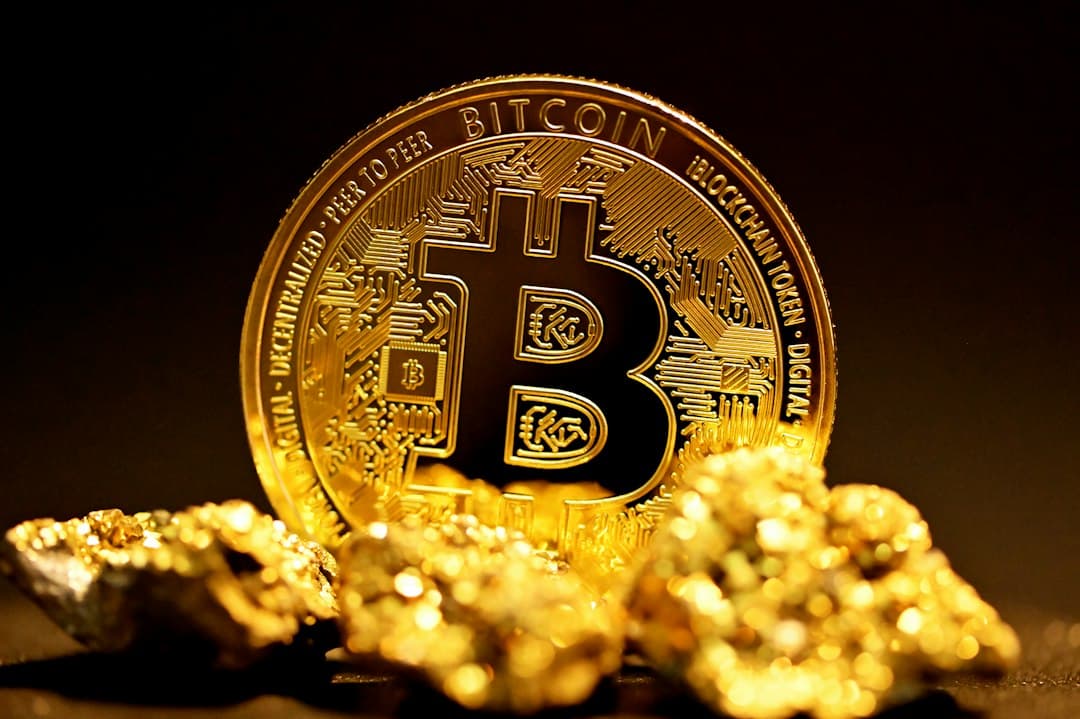
Only two countries have ever made bitcoin legal tender, and both have since reversed course. This article takes stock of El Salvador and the Central African Republic: you will learn what "legal tender" means, what remains of bitcoin's status in each country, and how to avoid pitfalls when exchanging crypto on the ground. It offers no investment advice: it sticks to the legal status and everyday payments.
Where Has Bitcoin Been Legal Tender? The Picture in 2026
Only two countries have adopted bitcoin as legal tender: El Salvador and the Central African Republic[1]. El Salvador led the way in September 2021, becoming the first country in the world to grant it that status[2]. The Central African Republic followed in April 2022: the presidency announced that bitcoin would be an official currency alongside the CFA franc[1].
Neither experiment has remained unchanged. El Salvador removed the legal tender references from its law[2], and the Central African Republic repealed those provisions in 2023[3]. The details of each case follow below.
It helps to distinguish two notions. Legal tender is a legal status that requires a currency to be accepted. Being able to hold or exchange crypto without being penalized is a separate matter. In the Central African Republic, for example, bitcoin no longer has legal tender status and businesses are not required to accept it, but individuals are not prohibited from holding or exchanging crypto[3].
El Salvador: Bitcoin Still Legal, But No Longer Mandatory
In September 2021, El Salvador became the first country in the world to make bitcoin legal tender[2]. The country later negotiated a financing program with the IMF of roughly $1.4 billion, approved by the Fund's board on February 26, 2025[2]. That program weighed on its policy on crypto.
The legislative assembly amended the law on January 29, 2025, by a vote of 55 to 2[2]. Bitcoin retains a legal existence in El Salvador, but references to cryptocurrency as legal tender have been removed[2]. Articles 4, 8, and 9 of the original law were repealed[2].
In other words, bitcoin was not banned: it lost its legal tender status. Its use as a medium of exchange remains free[2].
What This Means for Paying, Exchanging, or Withdrawing Cash on the Ground
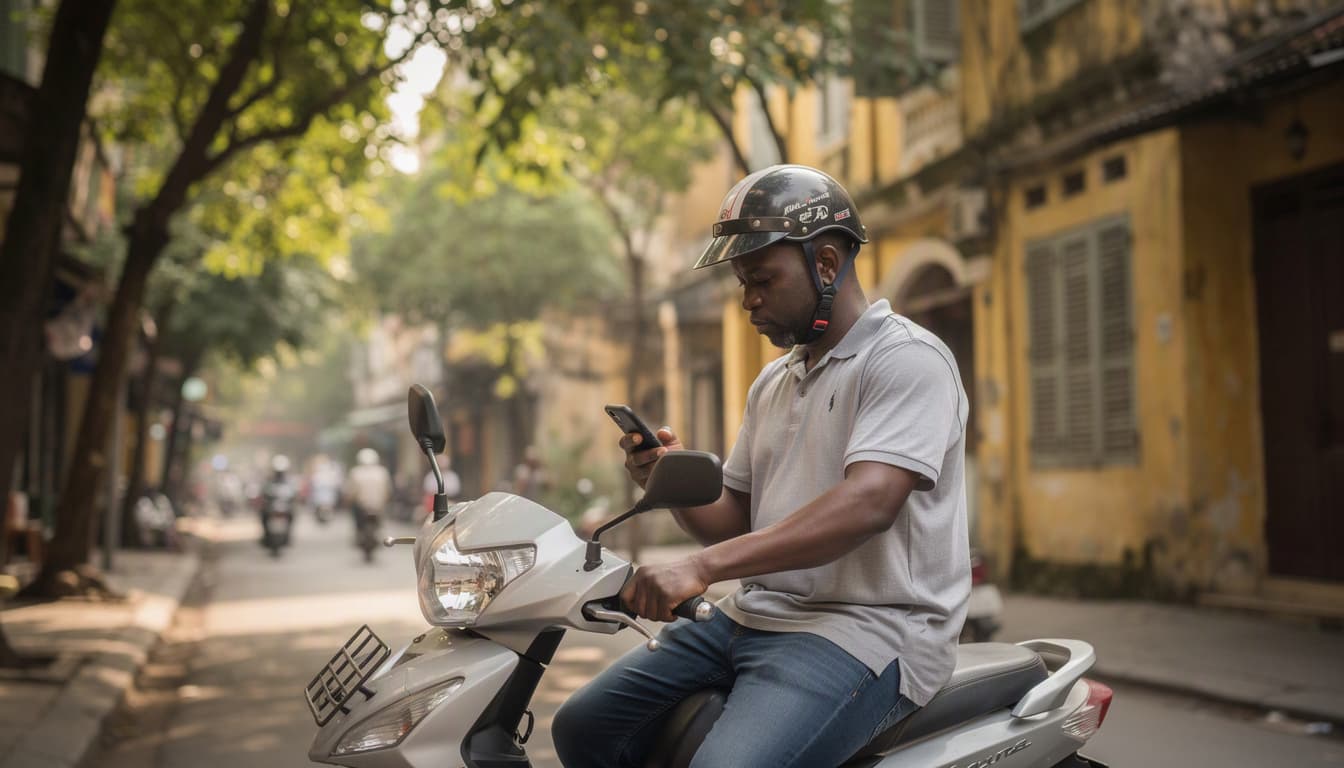
For travelers, the most concrete consequence is the end of the acceptance requirement. Businesses that once had to accept bitcoin can now choose[2]. If you plan to pay in bitcoin in El Salvador, do not count on being accepted: ask before you order or book.
The repeal also removed the state's obligation to provide automatic, instant conversion into dollars[2]. Bitcoin can no longer be used to pay taxes or debts owed to the state[2].
The public Chivo wallet, launched with the 2021 law, has changed hands: majority ownership and operational control passed to a private operator, while the state kept a minority stake and responsibility for safekeeping customer assets[2]. The IMF indicated in October 2026 that this transfer had been completed[4]. If you had a Chivo account, it is now managed by a private entity.
Central African Republic: An Experiment Abandoned in 2023
On April 27, 2022, the Central African presidency announced that bitcoin would be an official currency alongside the CFA franc, and that the use of cryptocurrencies had been legalized[1]. The country presented itself as the first in Africa to do so[1].
The episode was brief: under pressure from the regional monetary union, the Central African Republic repealed its legal tender provisions in March 2023[3]. The episode illustrates the difficulty of a national initiative within a regional monetary union[5].
Today, bitcoin no longer has legal tender status there, and businesses are not required to accept it[3]. Individuals, for their part, are not prohibited from holding or exchanging crypto[3].
CEMAC zone: the CFA franc remains the only legal tender
The Central African Republic belongs to the CEMAC, which also brings together Cameroon, the Republic of the Congo, Gabon, Equatorial Guinea, and Chad[5]. In this zone, the CFA franc issued by the BEAC remains the legal tender[5].
Cryptoassets circulate there through platforms and peer-to-peer (P2P) exchanges, without becoming an official currency and without benefiting from the protection applicable to bank deposits[5]. A political announcement must be distinguished from a regulation that has entered into force and its implementing texts[5].
Pitfalls, scams, and points of caution
- “Legal” does not mean “legal tender.” An operation may not be subject to a general ban aimed at individuals while still involving an unlicensed service[5].
- Do not conclude that bitcoin is banned throughout the CEMAC, and do not present the former Central African law as still applicable[5].
- On P2P platforms and with Mobile Money, the platform's escrow can reduce the risk of non-delivery, but it guarantees neither the origin of the funds nor the irreversibility of a mobile payment[5].
- Before releasing a crypto, check your balance in the official app: an SMS can be forged. The payer's name, the transaction ID, and the amount must match the order[5].
- Stay on the platform: a counterparty who suggests moving the conversation elsewhere often removes part of your means of recourse[5].
- When converting into local currency, banks may ask for documents proving the origin of the funds[5].
Key takeaways before you go
- El Salvador removed the references to bitcoin as legal tender from its law in 2025[2], and the Central African Republic repealed these provisions in 2023[3].
- In El Salvador, ask the merchant whether they accept bitcoin before paying: acceptance is voluntary[2].
- In the CEMAC zone, the CFA franc remains the legal tender[5].
- To exchange cryptos on site, favor a platform that protects the transaction and keep the entire conversation on that platform[5].
- Prepare proof of the origin of funds if you convert into local currency[5].
This article gives you the essentials of the legal status. It does not detail how local exchange platforms work, the fees or withdrawal limits, or the taxation of cryptos depending on your country of residence: these points require further research before you settle in or spend cryptos on site.
Sources
- 1.^ abcdcapital.fr — After El Salvador, another country adopts bitcoin as a currency - Capital.fr: “For now, only El Salvador and the Central African Republic have adopted bitcoin as legal tender.”; “The Central African Republic has decided that bitcoin will be an official currency alongside the CFA franc and has legalized the use of cryptocurrencies, the presidency announced on Wednesday, April 27, assuring that it is the first country in Africa to do so.” https://www.capital.fr/crypto/apres-le-salvador-un-autre-pays-adopte-le-bitcoin-comme-monnaie-1434961 (accessed November 7, 2026)
- 2.^ abcdefghijklmnkaupr.io — El Salvador gets IMF loan after bitcoin buying stops: “In September 2021, El Salvador became the first country in the world to make bitcoin legal tender.”; “Bitcoin retains legal existence in El Salvador, but references to cryptocurrency as legal tender have been removed.”; “The $1.4 billion, 40-month loan program was approved by the IMF Board on February 26, 2025, and has since tied the country's crypto policy to a set of conditions set in Washington.” https://www.kaupr.io/en/news/el-salvador-gets-imf-loan-after-bitcoin-buying-stops (accessed November 7, 2026)
- 3.^ abcdefwikicrypto.news — Crypto Regulation in Central African Republic (2026 Guide): “The experiment was short-lived: under pressure from the regional monetary union, the Central African Republic repealed the legal tender provisions in March 2023.”; “In 2026, bitcoin is not legal tender and businesses are not required to accept it, but individuals are not prohibited from holding or exchanging cryptos.” https://wikicrypto.news/regulation/central-african-republic/ (accessed November 7, 2026)
Show 2 more sourcesShow less
- 4.^imf.org — IMF Executive Board Concludes the Second and Third Reviews Under the Extended Fund Facility for El Salvador: “The transfer of majority ownership and control of Chivo to a private operator has been completed; the residual exposure of the public sector is expected to be fully unwound.” https://www.imf.org/en/news/articles/2026/10/01/pr26316-el-salvador-imf-concludes-2nd-and-3rd-reviews-under-the-eff (accessed November 7, 2026)
- 5.^ abcdefghijklmnbrefcrypto.com — Crypto in CEMAC: rules, risks and legal status: “The Central African Republic adopted Bitcoin as legal tender in 2022 before reversing that decision in 2023. This episode shows how difficult a national initiative can be within a regional monetary union.” ; “CEMAC brings together Cameroon, the Republic of the Congo, Gabon, Equatorial Guinea, the Central African Republic and Chad.” ; “Within CEMAC, the CFA franc issued by the BEAC remains the legal tender.” https://brefcrypto.com/crypto-cemac-regles-statut/ (accessed November 7, 2026)



