Naples is a lively, baroque city where life spills out into the street, and Pompeii is a Roman city frozen by the eruption of 79: the two pair beautifully. This article helps you plan a multi-day itinerary, from Naples' historic center to the ruins, with practical tips on season, trains and tickets. It ends with the points to keep in mind before you leave.
Naples, a city to live in: the historic center
The heart of Naples is the "Centro Antico", a lively, buzzing neighborhood with the Spaccanapoli, beautiful churches and the nativity-scene street of Via San Gregorio Armeno[1]. Naples' baroque and Renaissance churches each have their own atmosphere and identity[1].
The Duomo houses the treasures of the patron saint, San Gennaro[1]. In Naples, September 19 is the feast day of San Gennaro[2].
On Via San Gregorio Armeno, the church of the same name offers, despite its crowded interior, a quiet refuge amid the bustle of the nativity-figure vendors[1]. Craftspeople work right next to the monastery of San Gregorio Armeno, whose beautiful cloister has a marble fountain with baroque decoration at its center and an ancient well[2].
Another quiet break: the cloister of Santa Chiara, with its majolica-tiled columns[3]. To get a feel for the city as soon as you arrive, take a stroll around piazza dei Martiri, in the Chiaia neighborhood, which immerses you straight into Neapolitan atmosphere[3].
Art and palaces: Sansevero, MANN, Plebiscito
The Sansevero Chapel, with its Veiled Christ, is a must-see during your stay[3]. This funerary chapel also houses large statues by two 18th-century sculptors, Corradini and San Martino[1].
The National Archaeological Museum holds treasures such as the mosaics from Pompeii[3]. It is also where you should go to see nearly all of Pompeii's original mosaics and frescoes: the Alexander Mosaic comes from the House of the Faun[4]. The museum houses the Farnese Collection and finds from archaeological excavations in Campania[5]. It sits near Rione Sanità, perhaps the most beautiful neighborhood in Naples, where you'll now find cafés, restaurants and market stalls[1].
Piazza del Plebiscito is one of the city's most important squares, with the Royal Palace on one side and the Teatro San Carlo on the other[3]. The Royal Palace dates from 1600 and has hanging gardens overlooking the Bay of Naples and Vesuvius[2]. Opened in 1737, the Teatro San Carlo is one of the oldest opera houses in Europe, and guided tours are offered every day[2].
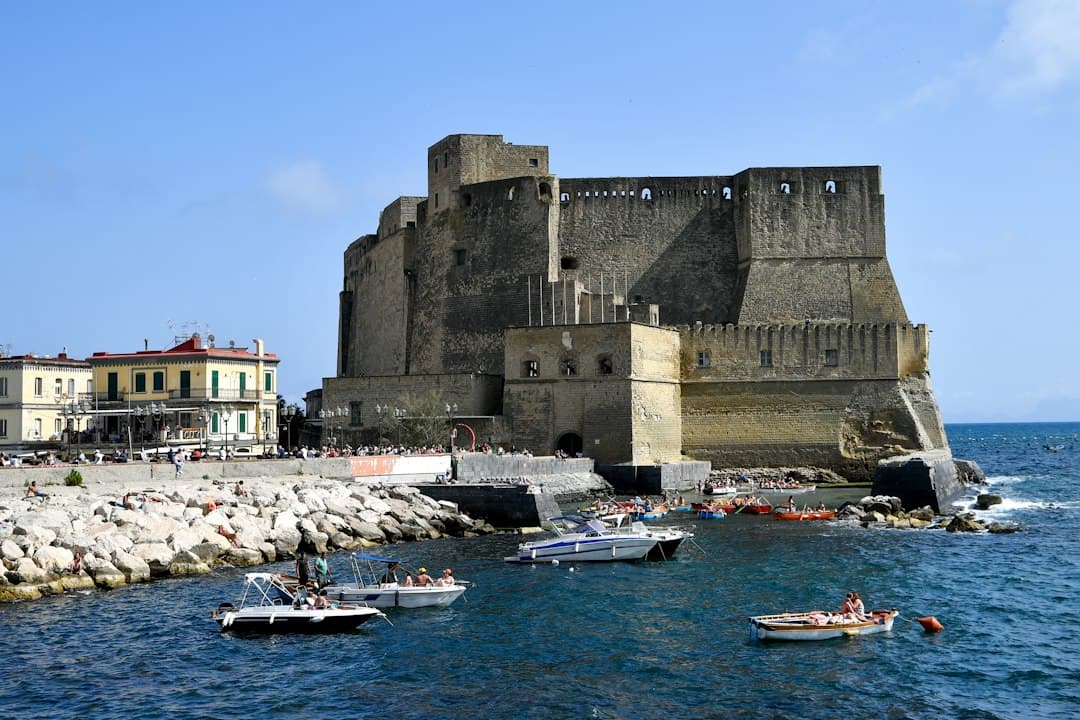
A little further on, the Castel Nuovo dates from 1266, built by Charles I of Anjou: it was a royal seat and a cultural center that welcomed artists and writers such as Giotto, Petrarch and Boccaccio[2]. From the Castel dell'Ovo, a medieval fortress, the view over the bay is stunning[5].
Beneath the city, on the heights and by the water
Naples hides an underground network of streets and air-raid shelters: hundreds of kilometers of caves, tunnels and passageways, which you visit by booking a tour[1]. The official routes are Napoli Sotterranea, Galleria Borbonica and Neapolis Sotterrata[1].
The Neapolitan catacombs are ancient underground burial sites dating back to the 2nd century, with frescoes and early Christian art; those of San Gennaro and San Gaudioso are the most famous[1].
To change altitude, take the funicular up to Vomero, a residential neighborhood on the heights, which offers a striking view over the whole city from the Certosa di San Martino[3]. On the sea side, Castel dell'Ovo brings you practically to the water's edge[5].
Pompeii: a Roman city frozen in 79
The archaeological area of Pompeii, Herculaneum and Torre Annunziata is among the 58 Italian sites on UNESCO's World Heritage List[2]. The park covers more than 66 hectares[6].
The streets are paved with irregular Roman basalt: it's a full day of walking, and most visitors cover five to seven kilometers within the excavations[7]. Bring good shoes and sun protection, as shade is extremely rare[6].
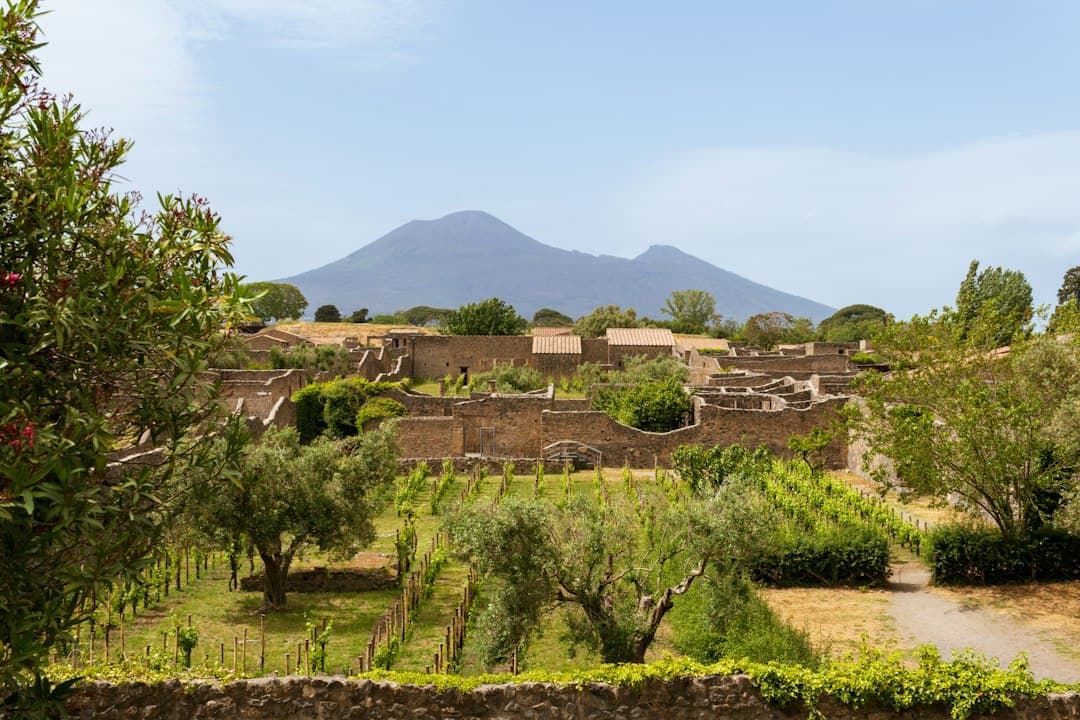
For a first route, start at the Forum, the main square near the Porta Marina, then move on to the Forum Baths, the House of the Faun, and the amphitheater[7]. The House of the Faun is one of the largest and most sumptuous homes in the city, famous for its Alexander mosaic[7].
The classic route also passes along the Via dell'Abbondanza, then the Large Theater and the Garden of the Fugitives, where plaster casts of the victims are on display[4]. A permanent exhibition now tells the story of how these casts were made, including their origins, history, and technique[8].
At the end of your visit, the Antiquarium on Piazza Esedra, included in your ticket, is worth about twenty minutes[4]. And the site keeps revealing new information: roughly a third of Pompeii is still buried, and you can watch excavations from an elevated walkway above the Insula dei Casti Amanti[9].
Around Naples: Herculaneum, Vesuvius, and Beyond
Herculaneum is smaller but better preserved[2]. Pompeii is bigger, but Herculaneum has a special charm[3]. A five-day stay can set aside days 4 and 5 for them, after three days in Naples[3]. Vesuvius, beneath which Naples sits, caused the disaster of 79 AD[5]. The Villa of Oplontis, in Torre Annunziata, is part of the same complex; its frescoes show the luxury enjoyed by the wealthy elite in the early Roman Empire[2].
The sites of the archaeological park are linked by the Pompeii Artebus shuttle[10]. The park also offers a MyPompeii ticket, valid for one year across all its sites (Pompeii, Oplontis, Boscoreale, Stabiae)[10].
For a day at sea, a boat leaves from the Molo Beverello and reaches Capri in under an hour[3]. Choose Capri for glamour, Ischia for its thermal baths, or tiny Procida for authenticity[3].

Practical Info: Season, Access, Duration, Tickets
Pompeii can be visited year-round, but May and September are the best months: crowds stay manageable and the weather is ideal[9]. In Naples, it's around 30 degrees from June to August, and it's best to avoid the city in July and August if you want to see the major sites[1].
The easiest way to reach Pompeii is the Circumvesuviana, toward Sorrento: get off at Pompei Scavi–Villa dei Misteri, about 35 minutes from Naples, then walk five minutes to the Porta Marina[7]. The park has three entrances: Porta Marina, Piazza Anfiteatro, and Piazza Esedra[7].
As for timing, plan at least three to four hours for a general overview, but a full day lets you explore in more depth[9]. For the Naples–Pompeii combination, itineraries suggest three days in Naples, then two days for Herculaneum and Pompeii[3].
Tickets: the Pompeii Express costs about €20 and covers the main park for one day; the Pompei+ (€25) adds the suburban villas[7]. A combined ticket with Herculaneum (about €45) is valid for 48 hours[7].
Prices change, so check the official ticketing page before buying[11]. Buying online is the safer choice, especially from April to October, when timed entry slots are in place[9].
Pitfalls, Scams, and Things to Watch For
- Never buy your Pompeii tickets from vendors outside the site, and ignore anyone who claims it is closed[9].
- Watch out for pickpockets on the train, in the station, and around the park entrances[9].
- Tickets are personalized: they carry the visitor's name[8]. Only small bags (30x30x15 cm maximum) are allowed into the sites[8].
- Near the major attractions, some restaurants charge three times the normal prices, and unofficial fake "guides" set up shop in Pompeii and at the underground sites[12].
Sources
- 1.^ abcdefghijnaplespompeii.com — Visit Naples & Pompeii (Italy) - N°1 Napoli City Guide: “Neapolitan churches in the Baroque and Renaissance styles each have their own atmosphere and identity.”; “The neighborhood not to miss is the lively, vibrant historic center, the Centro Antico, with the Spaccanapoli, beautiful churches, and the nativity scenes of Via San Gregorio Armeno.”; “There is the Duomo di Napoli, the cathedral holding the treasures of the patron saint, San Gennaro.” https://naplespompeii.com/ (accessed November 24, 2026)
- 2.^ abcdefghitalia.it — Visit Naples: Things to Do & Attractions - Italia.it: “In Naples, September 19 is the feast of San Gennaro.”; “In addition to the work of the artisans, you can visit the neighboring monastery of San Gregorio Armeno, with its beautiful cloister, adorned at its center with a marble fountain featuring baroque decoration and an ancient well.”; “The Royal Palace stands in Piazza del Plebiscito, in the heart of Naples' historic center; the complex, which dates back to 1600, is made up of several spaces known for their evocative beauty.” https://www.italia.it/en/campania/naples (accessed November 24, 2026)
- 3.^ abcdefghijkroutard.com — Naples | Recommended Itineraries | Routard.com: “The next day, a visit to the Cappella Sansevero to see the Veiled Christ is a must, as is the Chiostro di Santa Chiara, a magnificent cloister with majolica-tiled columns.”; “Upon your arrival, to get a feel for the city, take a stroll by Piazza dei Martiri in the Chiaia neighborhood, a very lively spot that will immediately put you in the Neapolitan mood.”; “The next day, don't miss the superb National Archaeological Museum, which holds, besides the secret cabinet, archaeological treasures such as the mosaics from Pompeii.” https://www.routard.com/fr/guide/a/itineraires-conseilles/europe/italie/naples (accessed November 24, 2026)
Show 9 more sourcesShow less
- 4.^ abctours.naples.it — Pompeii from Naples: Train, Tickets and Tours: “For the original mosaics and frescoes, nearly all of them, go to the MANN in Naples: the Alexander Mosaic comes from the House of the Faun.”; “Finish with the Great Theater and the Garden of the Fugitives, where the plaster casts of the victims are displayed.”; “The Antiquarium at Piazza Esedra is included in the ticket and deserves twenty minutes at the end of your visit.” https://tours.naples.it/en/pompeii/ (accessed November 24, 2026)
- 5.^ abcdroutard.com — Naples: The Essentials | What to Do, See and Visit: “One of the largest museums in Europe, housing the Farnese Collection and the finds from the archaeological excavations of Campania.”; “A medieval fortress with a very beautiful view over the Gulf of Naples; the Borgo Marinaro, a picturesque small marina, and the admirable Palazzo Serra di Cassano.”; “Watch the horizon from the Castel dell'Ovo, your feet almost in the water, then set sail for the island of Capri, between steep cliffs, perched villas, and the scent of lemon trees.” https://www.routard.com/fr/guide/top/europe/italie/naples (accessed November 24, 2026)
- 6.^ abvisiterpompei.it — Pompeii: Complete Guide, Tickets and Practical Tips: “Since the archaeological park covers more than 66 hectares, it is essential to plan at least 4 hours of exploration, sturdy walking shoes, and sun protection, as shade is extremely rare among the millennia-old walls.” https://visiterpompei.it/ (accessed November 24, 2026)
- 7.^ abcdefgpompeii.travel — Visiting Pompeii: Tickets, Opening Hours & Practical Guide 2026: “Pompeii covers 44 hectares and the streets are paved with irregular Roman basalt: it's a full day of walking, with most visitors covering five to seven kilometers in the excavations.”; “Start with the Forum, the city's main square, near the Porta Marina.”; “One of the largest and most sumptuous houses in Pompeii, named after the bronze faun statue in its courtyard and famous for the Alexander Mosaic found there.” https://pompeii.travel/plan-your-visit/ (accessed November 24, 2026)
- 8.^ abcpompeiisites.org — Homepage - Pompeii Sites Official Pompeii Archaeological Site: “For the very first time, a permanent exhibition tells the story of the origin, history, and technique of Pompeii's plaster casts.”; “Starting November 15, Pompeii Archaeological Park tickets will be personalized and bear the visitor's name.”; “Access to the sites is only possible with small bags (30x30x15 cm maximum).” https://pompeiisites.org/en/ (accessed November 24, 2026)
- 9.^ abcdeflonelyplanet.com — A First-Time Guide to Pompeii, Europe's Most Compelling Archaeological Site - Lonely Planet: “About a third of Pompeii remains to be excavated, a fact that gives you pause when you look at the digs from an elevated walkway above the Insula dei Casti Amanti.”; “Pompeii is worth visiting all year round, but May and September are the best times.”; “The crowds are manageable and the weather is idyllic for exploring the ruins, as well as the nearby Amalfi Coast.” https://www.lonelyplanet.com/articles/guide-to-pompeii (accessed November 24, 2026)
- 10.^ abpompeiisites.org — Timetables and Tickets - Pompeii Sites: “All the sites are linked by a shuttle service, Pompeii Artebus.”; “The MyPompeii card, valid for one year, grants access to all sites in the Pompeii Archaeological Park (Pompeii, Villa of Poppaea/Oplontis, the Antiquarium of Boscoreale and Villa Regina, the Villas of Stabiae and the Archaeological Museum of Stabiae/Quisisana Royal Palace).” https://pompeiisites.org/en/visiting-info/timetables-and-tickets/ (accessed November 24, 2026)
- 11.^pompeiiitaly.org — Pompeii Visitor Guide: Tickets, Hours & Itineraries: “Current official products include Pompeii Express at €20, Pompeii Plus at €25, Grande Pompei at €30, and MyPompeii at €45; confirm on the online ticketing page before buying.” https://www.pompeiiitaly.org/en/visitor-guide/ (accessed November 24, 2026)
- 12.^naples-trip.com — Naples Tourist Traps 2026: What to Avoid and What to Do Instead: “The most common traps are restaurants near major attractions that charge three times the normal prices, unofficial guides in Pompeii and at underground sites, taxis that overcharge without a meter, bracelet and gladiator scams near Piazza del Plebiscito, and tourist menus that mask mediocre cooking.” https://www.naples-trip.com/fr/guides/pieges-a-touristes-naples/ (accessed November 24, 2026)