If you plan to stay or settle in Spain, wildfire risk is one of the factors to factor in, especially in summer. This article helps you identify the high-risk season, check the rules in the region you'll be visiting, follow official sources, and know what to do if a fire approaches. It also details the habits that keep you from starting a fire yourself, and the pitfalls to avoid, especially when it comes to your accommodation.
A Recurring Risk: The Calendar to Keep in Mind
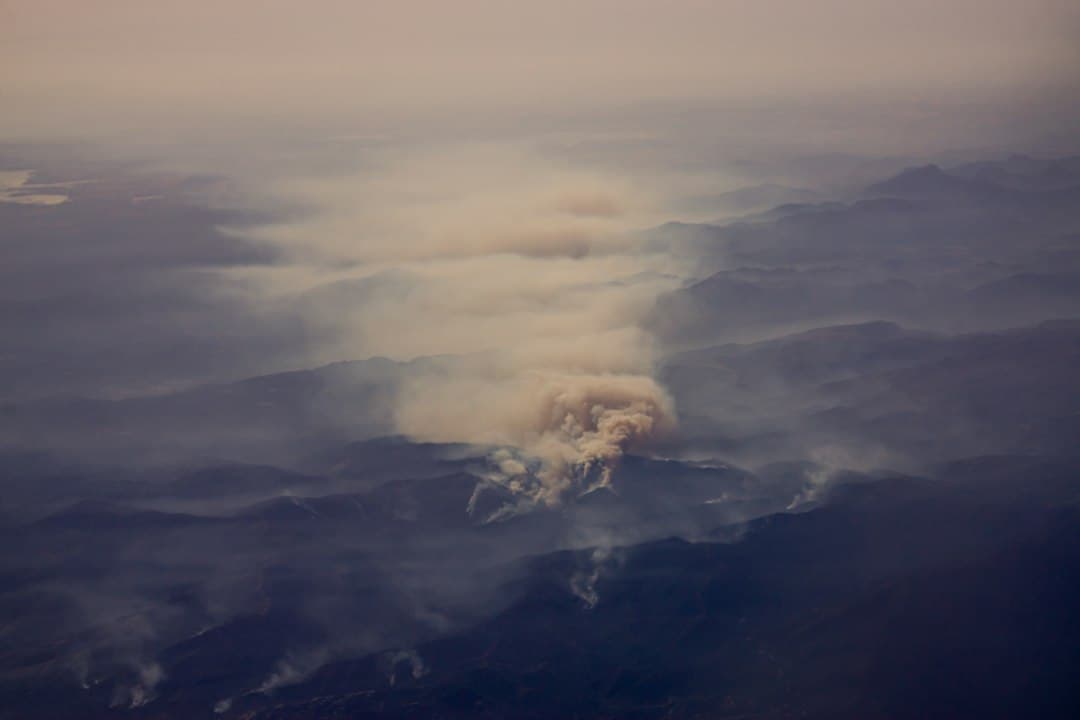
In Spain, heat and lack of rain raise the risk of wildfires in summer. Authorities stress the importance of taking extra precautions to prevent them and knowing how to react if they break out[1].
That high-risk season can extend beyond summer. In 2026, the wildfire operational coordination center decided on September 29 to extend the end of the summer campaign to October 31, after a season considered extraordinarily complex: all resources will remain in place as long as the risk does not decline considerably[1]. So if you arrive in autumn, don't assume the risk is off the table.
Another trend indicator: the Ministry of the Interior moved the start of the 2026 national campaign forward to June 1, after noting a significant rise in the number of fires and forest area burned in 2025[1].
Choosing Where to Stay or Settle
Wildfire prevention and response fall primarily under the autonomous communities, which hold authority in this area[1]. Rules, including those on the periods when you can burn agricultural residue, therefore depend on the region where you'll live: check your community's rules before you settle in[1].
Each region draws up annual plans for prevention, monitoring, and suppression. These analyze the different danger periods and present them in a regional calendar, specifying the circumstances that justify reinforcing monitoring and suppression resources[2]. The national framework also provides for risk analysis and zoning based on the concept of the wildland-urban interface, meaning residential areas in contact with forest, with communities able to add further criteria[2].
In practice, if you're torn between several homes, consider how close they are to wooded areas: a home on the edge of a forest falls within this wildland-urban interface, for which authorities provide a specific risk analysis[2].
Preparing Before the Season
- Prepare an action plan for a forest fire[1].
- Learn your autonomous community's rules on fire prevention and the periods when burning agricultural residue is allowed[1].
- Camp only in designated areas: they have fire protection measures in place, and evacuation is easier there[3].
- Don't throw water where there may be electrical cables[1].
Following Official Sources During High-Risk Periods
The State Meteorological Agency (AEMET) offers a wildfire risk map[1]. It has also launched a new forest fire danger index that integrates core weather variables (temperature, humidity, wind), along with vegetation condition, soil moisture, and surface types[1].
For more detail, the Ministry for the Ecological Transition (MITECO) publishes a dedicated page on forest fires, which authorities reference alongside AEMET's map[1]. Check these resources regularly during the high-risk season, not only on the day you see smoke.
What to Do If a Fire Approaches
In an emergency linked to a forest fire, always follow the instructions of the competent authorities[3]. If an evacuation order is issued, you must follow it; without an order, it is advisable to stay in your home[3].
If you spot a fire at its very start, call 112 immediately[3]. If the fire grows, move away in the direction opposite the smoke and breathe through your nose while covering your mouth and nose with a damp cloth[3].
If the fire catches up with you, move into an area that has already burned and turn your back to the prevailing wind, if there is one[3].
Preventing a fire outbreak yourself
The heat source that ignites vegetation can be natural, such as lightning, but most forest fires have a human origin: negligence in fire management (agricultural burning, waste burning, cigarette butts, pyrotechnics), accident (sparks from power lines, vehicle accidents), or intentional action[3].
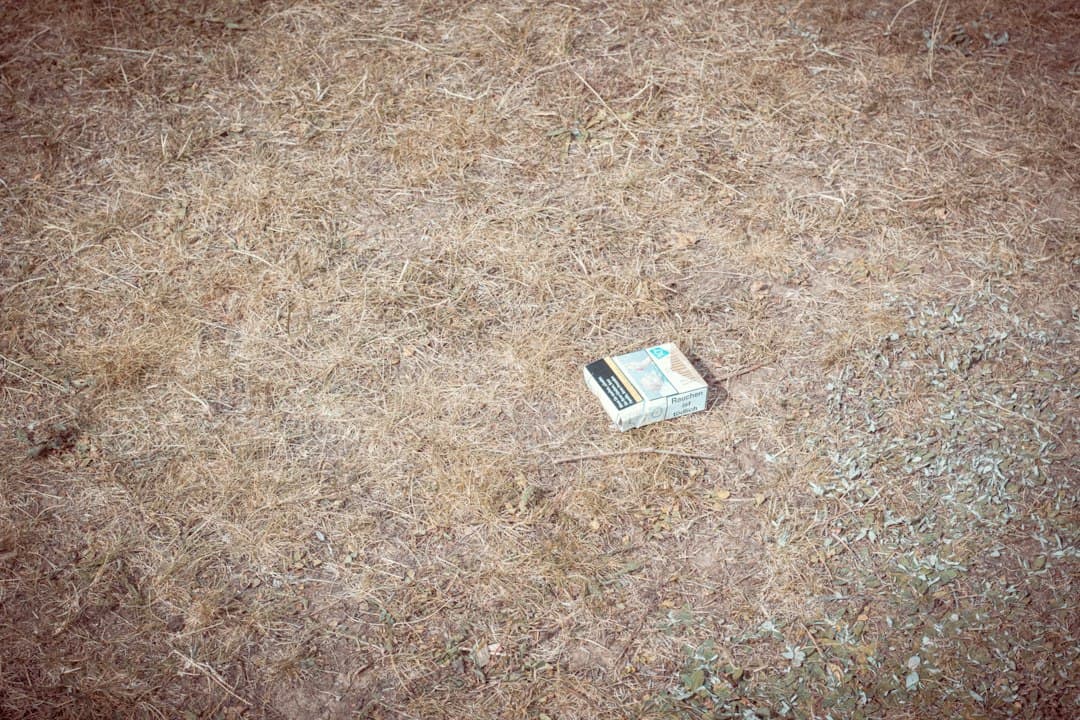
- Only burn plant residue with authorization and under safe conditions; keep watch over the fire while it burns and leave only once it is completely out, checking the embers carefully[3].
- Be careful with machines that may produce sparks or electrical discharges[3].
Health and Emergencies
In case of a medical emergency in Spain, call 112 or go directly to 061, the regional SAMU; public hospitals (urgencias) are accessible to everyone[4]. For a temporary stay, EU nationals can present the European Health Insurance Card (EHIC) to be covered by Spain's public health system; outside the EU, travel insurance is essential[4]. If you settle long-term, check your health coverage with the competent body.
If you hold French nationality, the French Embassy is located in Madrid (Calle Salustiano Olozaga 9, 28001) and its switchboard can be reached at +34 91 423 89 00[5]. For serious situations outside opening hours, the consular section has an emergency number; for the most serious crises, the Centre de crise et de soutien in Paris answers 24/7 at +33 (0)1 53 59 11 10[5].
Traps, Scams, and Points to Watch
Public aid related to fires is targeted and time-limited: don't assume it is automatic. The 2026 measures aim at employees affected by particularly severe fires during the 2026 annual high-danger campaign[1]. Suspension of the employment contract and the extraordinary benefit for extreme urgency are part of them, when the cause is a forest fire[1].
Another point of caution, which matters for any rental or housing search: a price far below market rate is a likely sign of fraud[6]. Grammar or spelling mistakes, inconsistent information, or links that don't work can also reveal a fraudulent site[6].
- Identify the seller or landlord: verify their identity and history, for example through forums and reviews; if you cannot find contact details, or if they seem doubtful, think twice before paying[7].
- Never pay through a money transfer service; if possible, use a bank card, which allows you to dispute an unjustified charge[7].
- Be wary of any request for a bank account, credit card, or other confidential information[6].
- Be wary of a seller who insists on a particular deposit service[6].
Checklist Before and During the Risk Season
- Find out the danger period for your region and learn the rules of your autonomous community.
- Prepare a fire action plan.
- Check the AEMET risk map and the MITECO fires page during the season.
- Remember 112, and 061 for a medical emergency.
- Get the EHIC (EU nationals) or travel insurance (non-EU).
Sources
- 1.^ abcdefghijklmlamoncloa.gob.es — La Moncloa. Incendios forestales: ¿cómo prevenirlos y actuar ante ellos? | 10/09/2026 [Prensa/Actualidad/Interior]: « High temperatures and lack of rainfall increase the risk of fire in summer; it is therefore important for citizens to redouble their precautions to prevent them and to know how to react if they occur. » ; « At its meeting of September 29, 2026, the integrated operational coordination center for forest fires decided to extend the end of the summer campaign to October 31, after analyzing an extraordinarily complex season that advises keeping all operational resources in place until the fire risk diminishes considerably. » https://www.lamoncloa.gob.es/serviciosdeprensa/notasprensa/interior/Paginas/2023/130723-incendios-forestales-como-prevenir-y-actuar.aspx (accessed October 24, 2026)
- 2.^ abcboe.es — BOE-A-2025-17312 Royal Decree 716/2025, of August 26, approving the common guidelines and criteria for the annual plans for the prevention, monitoring, and extinction of forest fires. : « The annual plans shall analyze the different periods of danger and represent them in a duly territorialized calendar, describing, where appropriate, the circumstances that justify the intensification of operations and of the surveillance and extinction resources of the system. » ; « For an adequate risk analysis (danger and vulnerability) and zoning of the territory, the definition of the urban-forest interface in Royal Decree 893/2013 of November 15 shall be used as a reference. The autonomous communities may introduce additional factors to those in this definition. » https://www.boe.es/diario_boe/txt.php?id=BOE-A-2025-17312 (accessed October 24, 2026)
- 3.^ abcdefghilamoncloa.gob.es — La Moncloa. Forest fires: how to prevent them and what to do in the event of one | 07/01/2024 [News] : « Camp only in authorized areas, as they have fire protection measures and evacuation is easier there. » ; « In the event of an emergency involving a forest fire, always follow the instructions of the competent authorities. » ; « If an evacuation order is issued, the instructions of the competent authority must be followed. In the absence of such an order, it is advisable not to leave the house. » https://www.lamoncloa.gob.es/lang/en/gobierno/news/paginas/2024/prevent-forest-fires.aspx (accessed October 24, 2026)
Show 4 more sourcesShow less
- 4.^ abMira Knowledge — In a medical emergency in Spain, call 112 or go directly to 061 (regional emergency medical service); public hospitals are accessible to everyone. EU nationals can present the EHIC to be treated by the Spanish public health system, and for non-EU travelers, travel insurance is essential. Verified June 13, 2026: reference source europa.eu. https://europa.eu/youreurope/citizens/travel/security-and-emergencies/emergency/index_fr.htm (accessed June 13, 2026)
- 5.^ abMira Knowledge — The French Embassy in Spain is located in Madrid, Calle Salustiano Olozaga 9, 28001, and its switchboard is +34 91 423 89 00. Verified June 13, 2026: official source diplomatie.gouv.fr. https://www.diplomatie.gouv.fr/fr/information-par-pays/espagne/conseils-aux-voyageurs-contacts-utiles (accessed June 13, 2026)
- 6.^ abcdportal-cec.consumo.gob.es — Abusive practices | European Consumer Centre Spain - Ministry of Consumer Affairs : « If the price of the product is much lower than the market price, there is a strong chance you are dealing with a scam. » ; « Of course, a beautiful-looking business is no guarantee that it is not fraudulent, but grammar or spelling errors, inconsistent information, or links that don't work can indicate a fraudulent page. » ; « Be wary if you are asked for your bank account, credit card, or other confidential information. » https://portal-cec.consumo.gob.es/es/informacion-general/temas-de-consumo/practicas-abusivas (accessed October 24, 2026)
- 7.^ abportal-cec.consumo.gob.es — Online scams | European Consumer Centre Spain - Ministry of Consumer Affairs : « Identify the seller. Check as much as possible their identity and history, for example by consulting forums and reviews. If you cannot find any contact details or if they seem doubtful, think twice before paying. » ; « Never pay through money transfer companies. If possible, use a credit card, as you will have the option to have an unjustified charge canceled. » https://portal-cec.consumo.gob.es/en/informacion-general/compras-online/fraudes-online (accessed October 24, 2026)