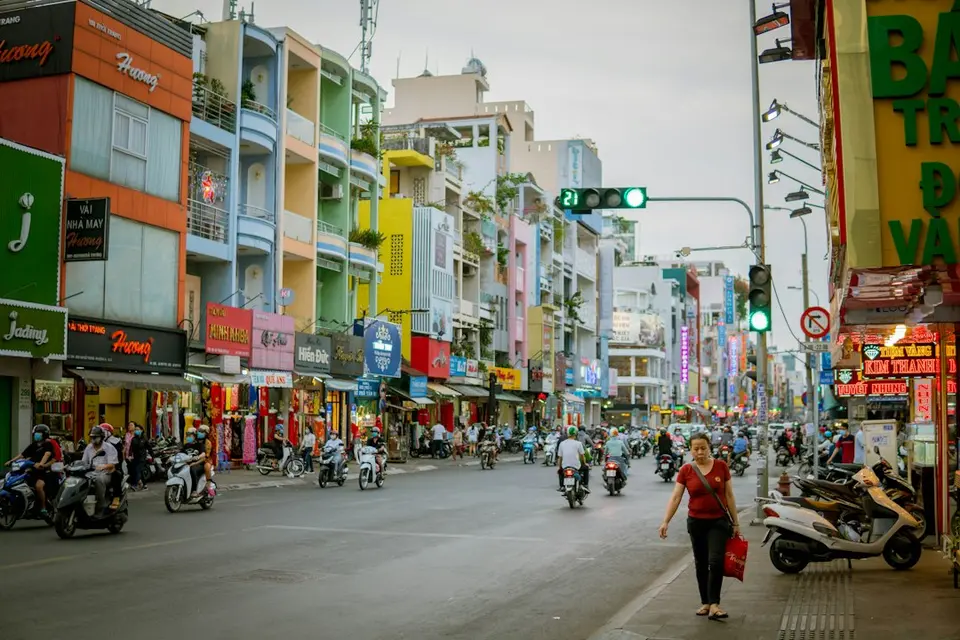
In Vietnam, the right way to get around depends on the trip, your budget and what the law allows. This article helps you choose between ride-hailing apps, scooters, trains, buses and flights, understand the license requirement for foreigners, and weigh road risks before you commit. It also gives you the points to check before renting a two-wheeler.
Pitfalls and Things to Watch Before You Ride
The first pitfall is the license. A valid Vietnamese driver's license is required to drive a vehicle with an engine over 50 cc, which covers most motorbikes[1]. A rental company that doesn't ask for a license changes nothing about this rule: you are the one driving, and you are the one affected.
Second pitfall, the condition of the scooter when you rent it. Without proof of its initial state, a dispute on return is hard to contest. Take photos before you leave[2].
Third point, the night bus. Bus and coach accidents are frequent, especially on long-distance and overnight routes, and fatal accidents involving sleeper buses have been reported[1]. Where possible, consider another means of transport for these trips.
Last point, identity for flights. For domestic flights, the authorities strictly enforce identification requirements for foreigners: you must travel with the same passport you used to enter Vietnam, otherwise boarding may be refused[1].
Choosing How to Get Around Based on Your Needs
Choosing the right mode of transport based on the trip and your budget makes all the difference. Between Hanoi and Ho Chi Minh City, the journey takes about 2 hours by plane, 30 hours by train and 40 hours by bus[2]. Flying saves time, the train offers comfort and authenticity, and the bus saves money[2].
Your type of stay matters too: urban exploration in Saigon will favor Grab or a scooter, while an excursion to Ha Long Bay necessarily involves a boat[2].
Domestic flights connect the major airports, including Hanoi, Da Nang, Ho Chi Minh City and Phu Quoc, with an average duration of 1 h 15 to 2 h[2].
Ride-Hailing Apps in the City
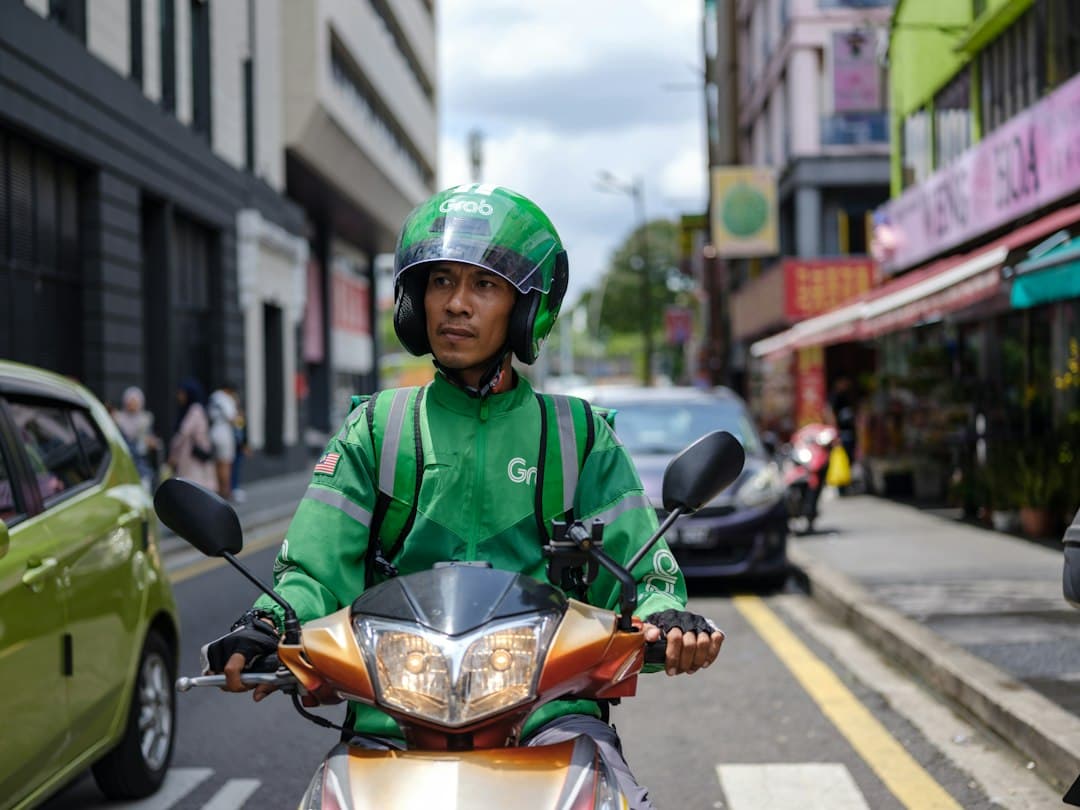
For short trips, the Grab app is a must: it lets you book a taxi, a moto-taxi or a private car from your phone[2]. It spares you from haggling on the street and from a driver who makes up the fare as he goes. You can see the route and it is tracked from your phone, which helps you in your first days in an unfamiliar city.
Renting a Scooter: What to Check
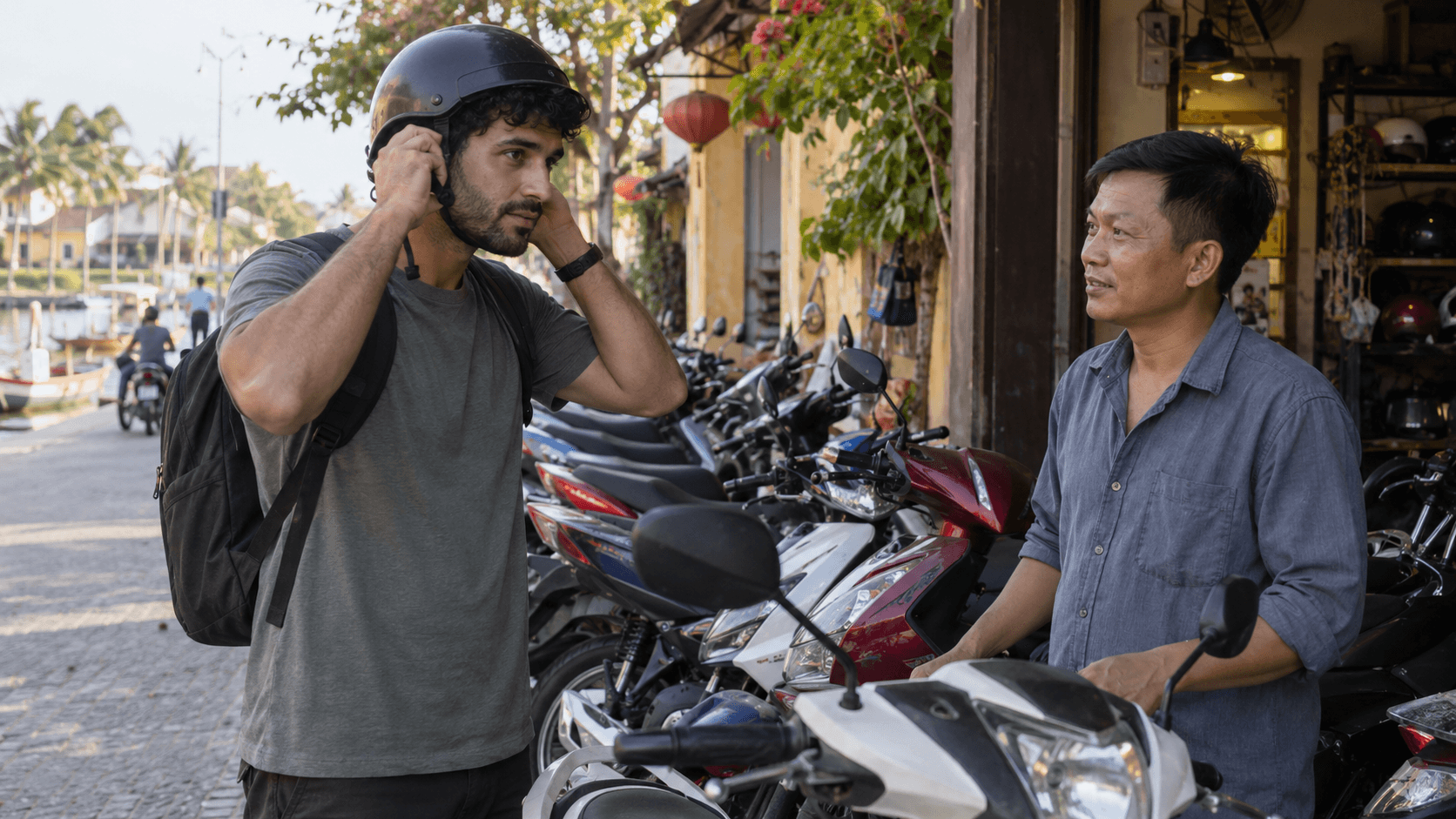
Rental agencies can be found in almost every city and tourist area, and hotels and guesthouses often offer this service directly[2].
Before you leave, check the condition of the scooter:
- the brakes;
- the headlights;
- the horn;
- the tires, especially[2].
Then take photos of the initial condition to avoid any dispute on return[2]. Before signing, also check the rental terms with the company, particularly what happens in case of damage or an accident.
Driver's License: What the Law Requires of Foreigners
The basic rule: you need a valid Vietnamese driver's license to drive a vehicle with an engine over 50 cc, which covers most motorcycles[1].
To obtain this license, the conditions depend on your nationality. For holders of a Canadian license, Canadian authorities state that only those who have lived in Vietnam for at least three months can apply for a Vietnamese license[1]. They advise contacting the Department of Transport of your province of residence in Vietnam to learn about licenses and restrictions[1].
If you hold another nationality, check which rule applies to you before riding a scooter over 50 cc.
Road Safety: Risks to Know
Road safety leaves much to be desired across the country[1]. Fatal accidents are common and often involve motorbikes and pedestrians[1].
Whether on foot or on two wheels, keep these realities in mind:
- some vehicles, especially motorbikes, drive against traffic or on sidewalks[1];
- crossing the road can be difficult due to dense and unpredictable traffic[1];
- sidewalks can be crowded, poorly maintained, and are often used by motorcyclists: be very careful around children, strollers, or mobility aids[1].
An accident can be costly. Canadian authorities recommend purchasing travel insurance that covers hospital costs abroad and medical evacuation[1].
Between Cities: Plane, Night Train, Sleeper Bus
The Hanoi–Ho Chi Minh City line covers about 1,700 kilometers, and the full trip takes between 30 and 36 hours depending on the train, with 30 hours being the shortest duration[2]. The SE1/SE2 and SE3/SE4 trains are among the most popular and fastest, with air-conditioned cabins and sleeper berths[2].
The night train lets you save a night's hotel stay while moving closer to your destination[2]. You can also opt for shorter segments rather than the full trip[2].
Long-distance buses, with their sleeper coaches, are the slowest and most budget-friendly option[2], but they carry the nighttime risks noted above.
Hanoi: Gas-Powered Two-Wheelers Soon Banned from the Center
Vietnam has 72 million scooters and motorbikes, or more than one vehicle for every two inhabitants[3]. To improve air quality, Hanoi's city center was set to ban gas-powered two-wheelers starting July 1, 2026, according to an announcement reported in the press; check whether the measure is actually being enforced before renting a scooter[3].
The affected zone covers more than 30 km² and includes the historic core of the city, around West Lake and Hoan Kiem Lake[3]. The stated goal is to ban all gas-powered two-wheelers across the country by 2045[3]. If you plan to stay in Hanoi, find out what measure is in force locally before renting a scooter.

Checklist Before You Travel
- Choose your mode of transport based on distance and budget: plane, night train, or bus.
- Install Grab for short trips around the city.
- Check which licensing rule applies to your nationality before driving a vehicle over 50 cc.
- Check the brakes, headlights, horn, and tires, and photograph the scooter before setting off.
- Get travel insurance with hospitalization and medical evacuation coverage.
- Keep with you the passport you used to enter for domestic flights.
This article covers the essentials for getting around. The steps to obtain a Vietnamese driver's license, precise prices by city, and detailed itineraries require going further before you truly settle in.
Sources
- 1.^ abcdefghijklvoyage.gc.ca — Travel advice for Vietnam: “You must hold a valid Vietnamese driver's license to drive a vehicle with an engine over 50 cc. This includes most motorcycles.” ; “Bus and coach accidents are frequent, especially on long-distance and night routes. Fatal accidents involving sleeper buses have been reported. Consider other means of transport where possible.” ; “You must travel with the same passport you used to enter Vietnam. If you use a different passport, boarding may be refused.” https://voyage.gc.ca/destinations/vietnam (accessed November 1, 2026)
- 2.^ abcdefghijklmnlemagvoyage.fr — Getting around Vietnam: train, bus, plane, scooter, Grab: “Take photos of the initial condition to avoid any dispute upon return.” ; “A trip from Hanoi to Ho Chi Minh City can take 2 hours by plane, 30 hours by train, or 40 hours by bus.” ; “Each option has its own advantages: the plane to save time, the train for authenticity and comfort, the bus to save your budget.” https://www.lemagvoyage.fr/vietnam/se-deplacer-au-vietnam-train-bus-avion-scooter-grab-guide-pratique/ (accessed November 1, 2026)
- 3.^ abcdnumerama.com — Movement Restrictions: The Constraints in This Asian Country Make France Look Lax - Numerama: “In Vietnam, the preferred means of transport is the two-wheeler: there are no fewer than 72 million scooters and motorbikes, or more than one vehicle for every two inhabitants.”; “Starting July 1, 2026, Hanoi's city center will ban combustion-engine two-wheelers to improve air quality.”; “The Vietnamese government is setting up a kind of low-emission zone covering more than 30 km², encompassing the historic heart of the city around West Lake and Hoan Kiem Lake, which are popular with tourists.” https://www.numerama.com/vroom/2035881-restrictions-de-circulation-les-contraintes-dans-ce-pays-asiatique-font-passer-la-france-pour-laxiste.html (accessed November 1, 2026)