Settled in Buenos Aires for a few weeks or a few months, you will soon need more than one mode of transport. This article helps you combine colectivos, Subte, commuter trains and taxis, pay with the SUBE card, choose backup options and spot the most common traps. You will also learn how to handle the ride from Ezeiza airport and how to plan your budget.
The Transport Options to Know in Buenos Aires
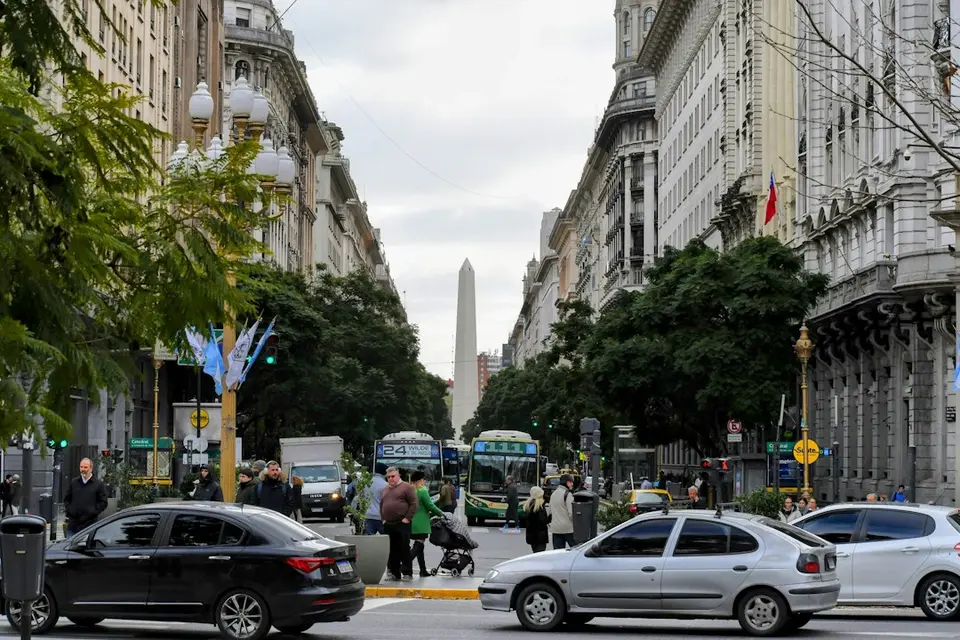
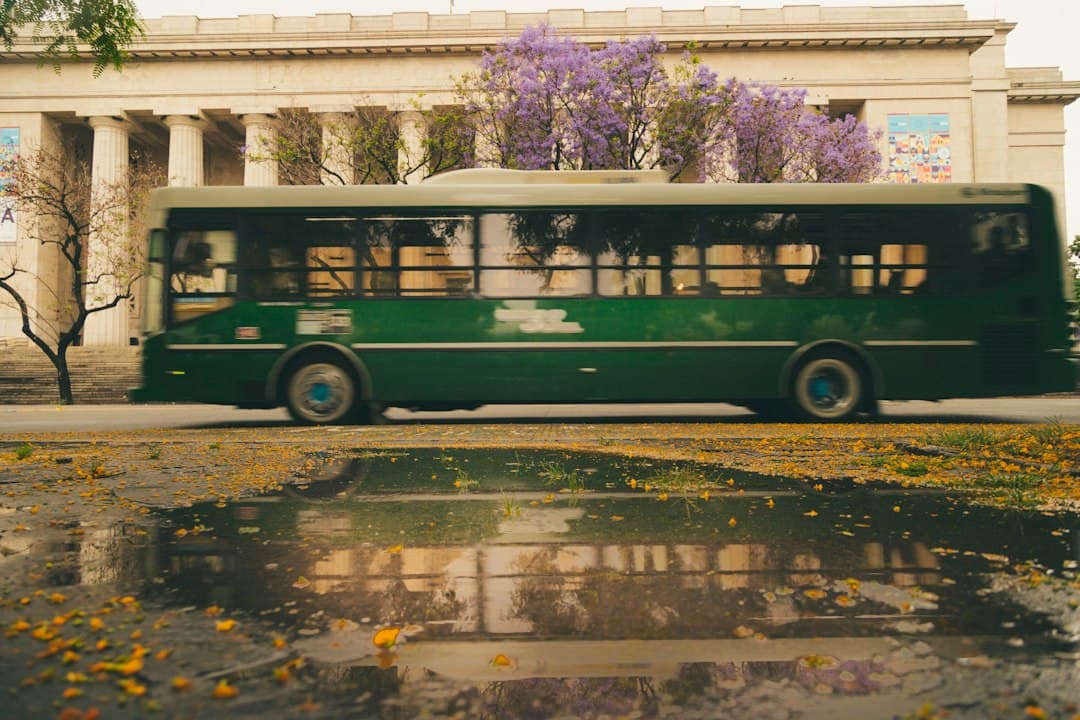
The colectivos, or “bondis,” are the city buses. In Buenos Aires, more than 135 lines criss-cross the capital 24 hours a day[1]. It is the finest network in the city, but also the most confusing at first.
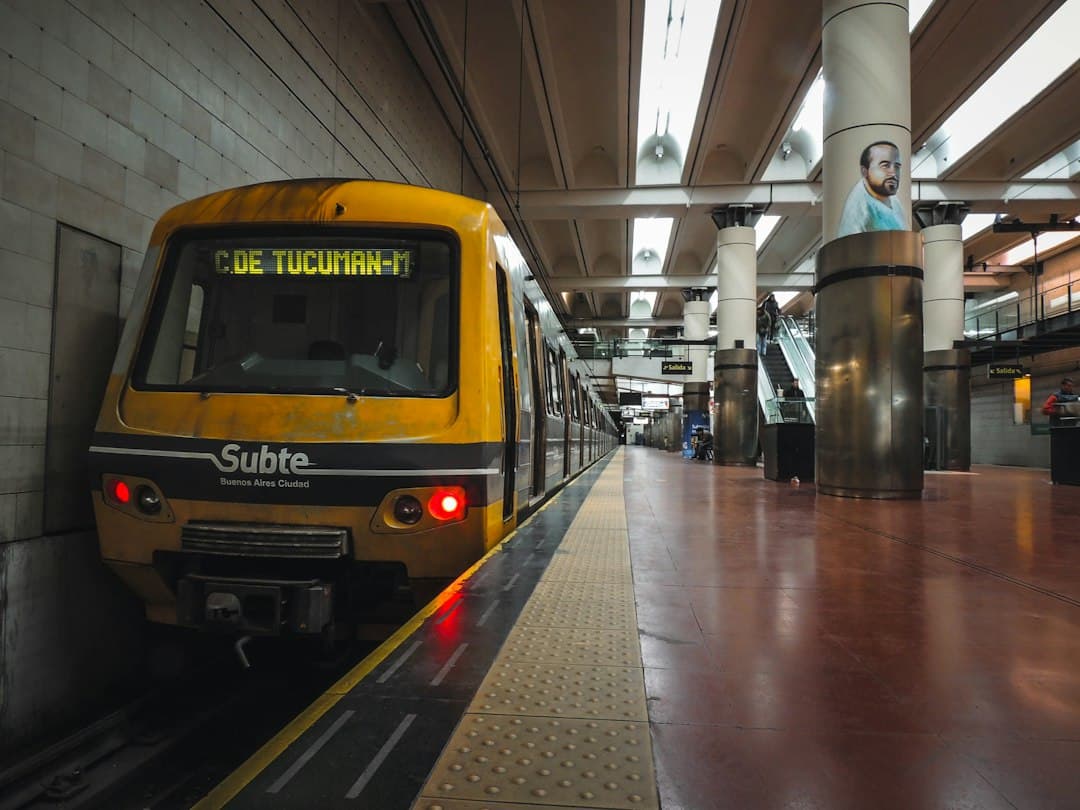
The Subte, the city's metro, has 6 lines and lets you move quickly through the city center while avoiding surface traffic jams[1]. It is very handy downtown, but it does not serve all the other neighborhoods, or only partly[2].
The commuter train completes the picture. If you live far from the center (Palermo, Belgrano, Núñez, Flores…), the suburban lines have stations within the city and are much faster than the metro, a bit like an RER[2]. To get to Tigre, La Plata or the northern suburbs (San Isidro), the train remains the fastest option[2].
For a stay of a few days downtown, the metro is enough. Beyond a week, you will often need to travel by bus or taxi if you want to see more than the central or tourist neighborhoods[2]. Take Palermo: the neighborhood is so large that you could spend your first two days there without leaving, but to reach downtown you will then need urban transport or a taxi[2].
As for trains, since all lines were brought under the control of Trenes Argentinos, fares have been simplified and standardized: they work by zones, and the farther you travel from Buenos Aires, the more kilometers you cover and the more it costs[2].
The SUBE Card and Useful Apps
The SUBE card is a rechargeable card that is essential for using public transport in many Argentine cities[1]. It saves you from hunting for change on every trip and gives you access to discounted fares[1].
To plan a route, an app like “Cómo Llego” helps you find the best public transport route in Buenos Aires[1].
On the ground, the simplest option is still to ask a kiosquero, the person who sells newspapers or cigarettes: they know the line map by heart[2]. You can also buy the “Guia T” or the “Filcar” at the same kiosk, street and bus guides for Buenos Aires and its suburbs[2].
Backup Options When the Metro Doesn't Take You Where You Need to Go
When a line is not running or a neighborhood is not served, you need a plan B. Buses are the essential complement for anyone using the metro who wants to reach a neighborhood it does not serve[2].
In the evening, when you have not yet figured out the bus system, the taxi eventually becomes the obvious choice[2]. It is more popular than in Paris because it is cheaper[2].
For neighborhoods far from the center, the commuter train is the other backup: it is much faster than the metro[2]. Uber and Cabify apps are also recommended to avoid problems with taxis[3].
Taxis, Ride-Hailing and the Ride from the Airport
Buenos Aires taxis are regulated, with an official meter, the taximetro[3]. To hail one, prefer official apps such as “BA Taxi”[1]; ride-hailing apps such as Uber or Cabify are also available in some urban areas[1].
To give you a sense of scale, a daytime trip between Plaza de Mayo and Recoleta (2.5 km) cost about €3 at the parallel exchange rate, a little over €5 from Plaza de Mayo to Palermo (10 km), and €8 from La Boca to Belgrano (14 km), with a good hour of travel time[2]. These durations and fares assume smooth traffic: otherwise, it can quickly take twice as long and cost twice as much[2]. These amounts date from August 2024 and may have changed since.
For Ezeiza Airport, in both directions, agree on the fare with the driver before getting into the vehicle[2]. The price should cover your luggage, as well as tolls[2]. In August 2024, you should expect to pay no more than €30 each way[2].
Traps, Scams and Things to Watch For
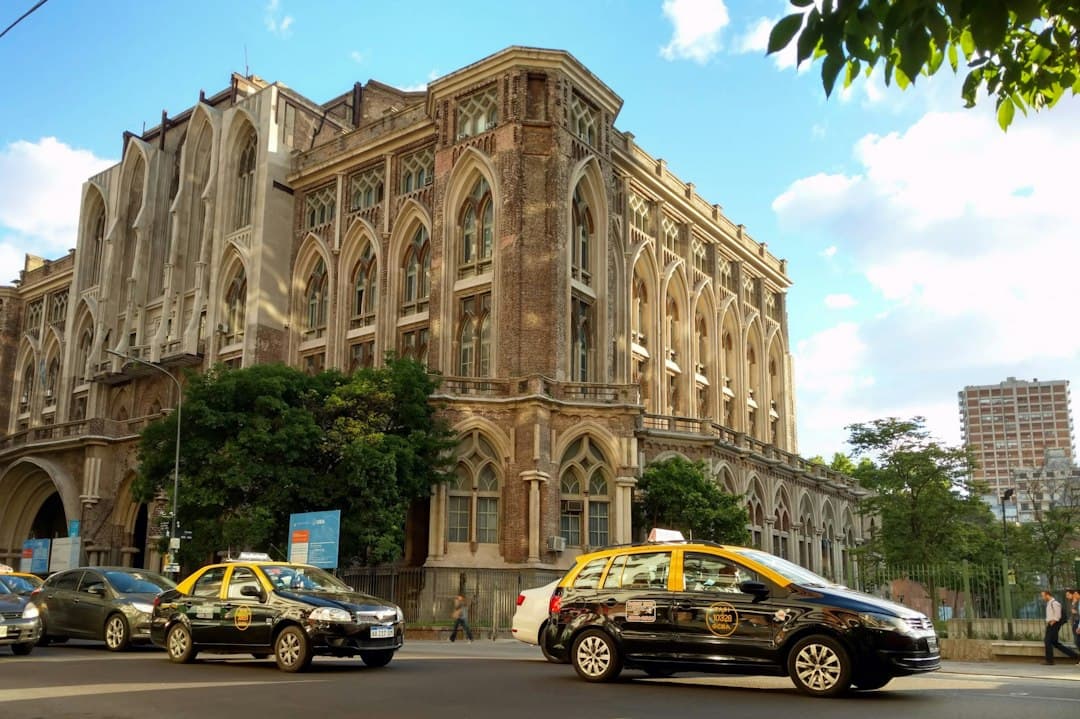
Taxis remain the most common setting for scams. Despite regulations, they persist: rigged meters, “cambio” (counterfeit change handed back to you), and detoured routes, especially in tourist areas such as San Telmo and La Boca[3]. Another thing to watch for: the exchange rate taxis apply for dollars is often unfavorable[3]. To avoid these issues, use an official taxi app[1] or Uber or Cabify[3].
On the street, a classic scam to watch for in Argentina: someone splashes sauce on your clothes, shoes, or bag without you noticing, then offers to help you clean up to distract you, while an accomplice steals your small bag[4].
Another risk reported especially in Argentina: during a payment or cash withdrawal, your card may be skimmed or its number read, and purchases are then made with it[4].
Finally, even though public transport is generally safe, stay alert when traveling at night, especially in large cities[1].
Transport Budget: Anticipating Fares
Public transport in Argentina is generally very affordable, especially compared with European standards[1]. The SUBE card, essential for using it, is sold at a modest price according to one practical guide[1]. For an expat who uses public transport regularly in Buenos Aires, that same guide suggested a low monthly budget, depending on travel habits and occasional taxi use[1]. This pricing information is dated: check it before building your budget.
For taxis, budget separately: sooner or later, a taxi becomes essential in the evening[2], and trips take longer, in both time and cost, when traffic is heavy[2]. So plan a margin in your budget for taxis and ride-hailing apps.
Checklist Before You Travel
- Get a SUBE card and top it up: you won't have to look for change anymore[1].
- Install “Cómo Llego” for directions, plus an official taxi app or a ride-hailing app for car trips[1].
- For evening trips, plan on a taxi rather than trying a bus you don't yet know how to use[2].
- For Ezeiza, agree on the fare before getting in, luggage and tolls included[2].
- In taxis, keep an eye on the meter and the change you're given, especially in San Telmo and La Boca[3].
- Keep an eye on your bag and your clothes on the street[4].
This article gives you the essentials to find your way around. To really settle in, you'll need to go further: up-to-date fares for each network, choosing a neighborhood based on your daily commute, and a line-by-line transport budget.
Sources
- 1.^ abcdefghijklmncyriljarnias.com — Practical guide to public transport in Argentina: “In Buenos Aires, for example, more than 135 lines cover the capital 24/7.”; “With its 6 lines, it lets you get around the city center quickly, avoiding surface traffic jams.”; “This rechargeable card is essential for using public transport in many Argentine cities.” https://www.cyriljarnias.com/expatriation/guide-sinstaller-argentine-expatrie/transports-commun-argentine-guide-pratique/ (accessed October 31, 2026)
- 2.^ abcdefghijklmnopqrstupetitherge.com — Everything you need to know to get around Buenos Aires - Le Petit Herge de Buenos Aires 2026. All about Argentina: “The Subte is very practical for getting around the city center. However, it doesn't serve all other neighborhoods, or only partially.”; “The suburban lines have stations within the city limits and are much faster than the metro. A kind of RER.”; “And if you also use your few days to visit Tigre, La Plata, or explore the northern suburbs (San Isidro), the train is still the fastest transport option.” https://www.petitherge.com/2024/08/tout-ce-qu-il-faut-savoir-pour-se-deplacer-a-buenos-aires.html (accessed October 31, 2026)
- 3.^ abcdefMira Knowledge — Uber and Cabify apps are recommended to avoid these problems. Verified on 06/11/2026: official source buenosaires.gob.ar. https://buenosaires.gob.ar/gcaba_historico/infraestructura/movilidad/taxis (accessed June 11, 2026)
- 4.^ abctourdumondiste.com — The 100 Most Common Travel Scams: How to Avoid Them? : “Someone throws sauce on your clothes, shoes, or bag without you noticing. They then offer to help you clean it up to distract you, while an accomplice steals your small bag. (Argentina, Brazil, Chile, Ecuador, Mexico)”; “During a payment or a cash withdrawal, your card is hacked or someone manages to read your card number, and purchases are then made with it.” https://www.tourdumondiste.com/eviter-les-arnaques (accessed October 31, 2026)