Planning twelve days in Ecuador with kids, starting from Quito, means checking a few rules before you buy tickets: entry requirements, areas to avoid, hiking precautions, and preparations for the Galápagos. This article covers what official sites let us state, and flags what you will need to verify yourself: prices, budget, precise itineraries, and paperwork.
Before you go: entry, passports, and rules for children
The rules below apply to French nationals. They depend on nationality: if your family holds other passports, check with the Embassy or Consulate of Ecuador.
No visa is required for a tourist stay of 90 days or less, this maximum being calculated over a rolling twelve-month period[1]. Your passport must be valid for more than six months after your scheduled departure from the country[1]. A traveler who does not meet this requirement risks being refused entry[1].
If you want to stay longer, the 2017 Human Mobility Law allows an extension of 90 additional days, after paying the visa extension fee of $400, through the competent authorities[1]. Any stay for a purpose other than tourism requires a visa, to be applied for before entering the country[2]. For procedures during your stay, the Ecuadorian migration services portal is the reference indicated by the French diplomatic service[2].
For children, two rules are worth verifying before departure. Minors traveling alone or with someone who is not a parent must have an entry and exit permit for Ecuadorian territory[1]. On the Canadian side, unaccompanied minors who hold dual citizenship and travel on both passports must have a letter of consent from both parents[3]. The excerpt of this page does not detail the content of the letter: consult the full page if this applies to you.
Safety in Quito and on transport with children
On the French diplomatic service map, the rest of the country, outside advised-against zones, is under heightened caution, except the Galápagos archipelago, which is under normal caution[4].
In Quito, the same source recommends caution in the La Mariscal neighborhood and in the immediate outskirts of the historic center, which can be dangerous, especially at night[4]. Walking in the Panecillo neighborhood, by day or by night, is advised against[4]. Do not cross parks once night has fallen[4].
For getting around, the French diplomatic service recommends registered and clearly identified taxis or ride-hailing services such as Uber[4]. At night, it is better to book a taxi than to hail one on the street, and to lock the doors from inside to prevent snatch theft when the vehicle is stopped[4]. Intercity public bus travel is advised against: bus drivers often drive dangerously and passengers may be robbed[4]. Keep an eye on children and luggage on transport and at airports.
Ecuador allows tourists to report an incident (assault, accident) to the authorities through the ECU911 app[4]. In case of theft or loss of documents, go to the nearest police station to file a report[4]. You will receive a receipt, which is required for subsequent procedures[2].
Hikes and jungle from Quito: where to go, where not to go
Areas to avoid or to approach only with an operator
- Travel is formally advised against throughout the border zone with Colombia, apart from the Tulcán corridor, which is advised against unless absolutely necessary, as far as the city of Esmeraldas[4].
- Travel in the coastal provinces (Esmeraldas, Manabí, Santa Elena, Guayas, and El Oro), as well as Los Ríos and Santo Domingo de los Tsáchilas, is advised against unless absolutely necessary and carefully planned[4].
- Nueva Loja (Lago Agrio) is advised against, except for transit to the Cuyabeno and Yasuní parks, within the framework of organized travel and under the responsibility of a tour operator[4].
For the jungle, this means going through an operator that handles the transit. Ask the operator in writing what is included before you pay.
Volcanoes, altitude, and rescue
The Sangay and Reventador volcanoes remain very active: climbing them is to be avoided, as is any approach to the terminal cone[4]. The Cotopaxi and Tungurahua volcanoes experience frequent periods of activity that may lead authorities to restrict access to their surroundings[4]. Before any travel in these areas, consult the website of the Instituto Geofísico of Ecuador, in Spanish[4].
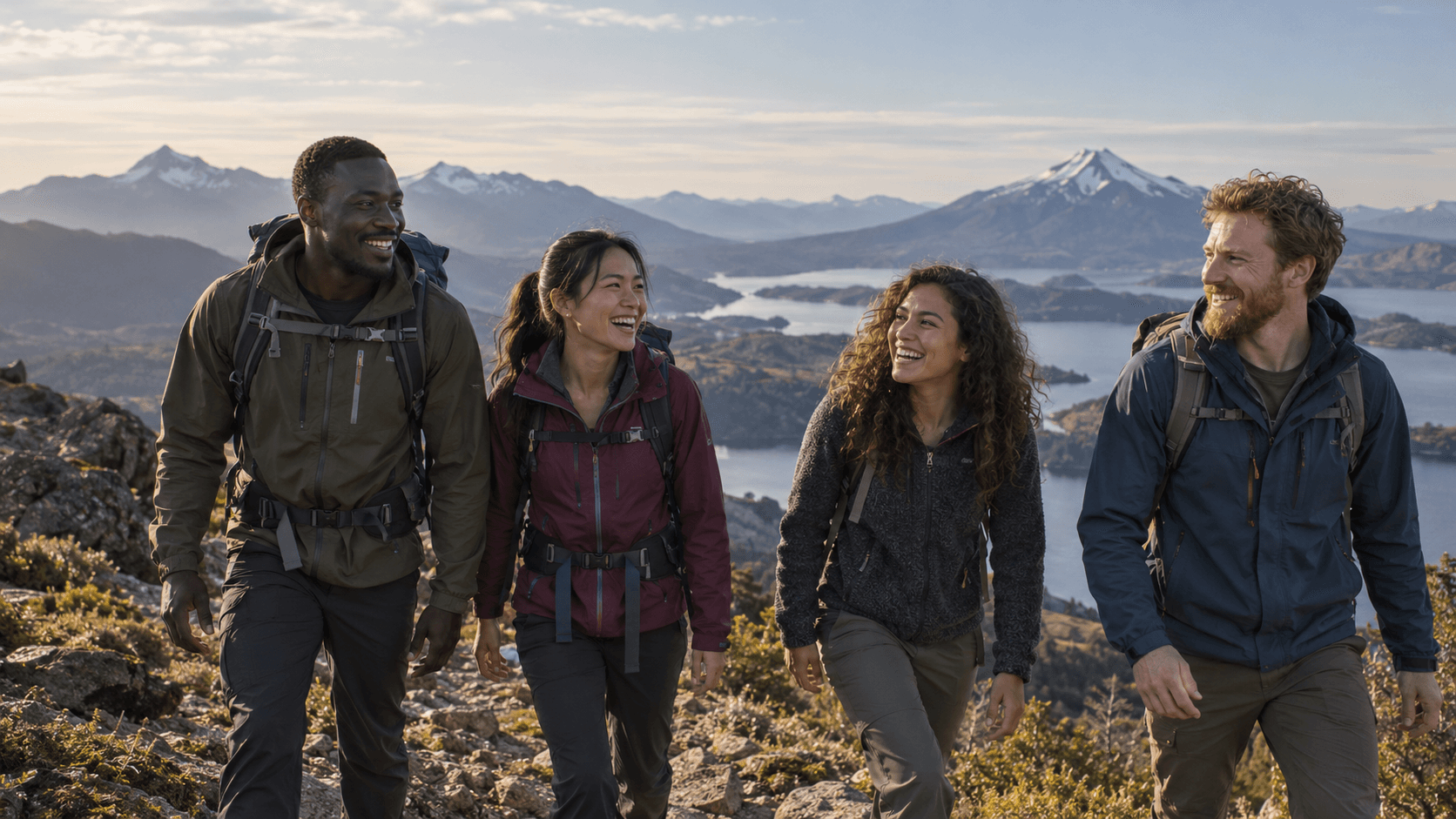
For hiking, the French diplomatic service advises caution and gradual progression, and recommends getting your doctor's advice, especially for children[4]. It also suggests informing your companions or your hotel of your plans to make any rescue easier[4]. Rescue services lack resources and equipment, especially in isolated regions or high mountains, and response times can be long; using high-mountain guides is strongly recommended[4].
On health, the Canadian page indicates that antimalarial medication may be recommended depending on your itinerary and the time of year, and advises consulting a health professional or a travel health clinic about six weeks before departure[3]. The excerpt we reviewed does not specify the affected areas: ask your doctor, with your itinerary in hand.
Galápagos with Family: Preparing for the Archipelago
Before heading to the archipelago, plan for three steps. The first is the Galápagos transit control card, purchased at the Galápagos Governing Council counter in the Quito or Guayaquil airports[3].
The second is the goods declaration: one tour operator notes that since December 1, 2024, filling one out before traveling to the Galápagos has been mandatory[5]. Confirm the procedure with archipelago authorities before departure.
The third is the national park entrance fee. The Galápagos Governing Council explains that it funds conservation and management of the protected area, as well as development on the four inhabited islands[6]. Its page specifies that the fee varies by visitor category, to be checked on site[6], and that children under 2, Ecuadorian or foreign, are exempt[6]. The amounts do not appear in the excerpts we reviewed: check this page for each family member's category.
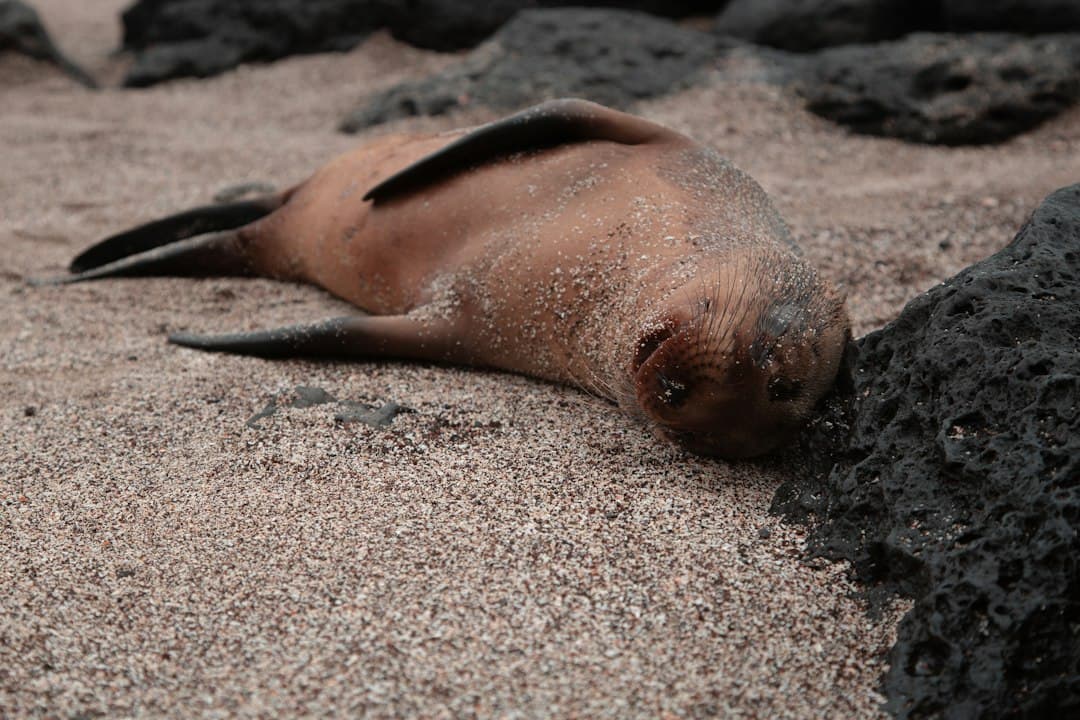
On site, ocean currents can be dangerous in the Galápagos as along the Pacific coast; the French diplomatic service recommends following the guidance of local authorities and residents[4]. Finally, emergency services are limited: in case of serious illness in the Galápagos, medical evacuation will likely be necessary, and the wait can exceed 48 hours[3].
Budget and Accommodation for a Family Trip Combining Jungle and Tourism
Request written quotes from accommodation providers and operators rather than working from an estimate.
- Extending your stay by 90 days costs $400[1].
- The Galápagos entrance fee depends on each traveler's category (check amounts on the official page)[6].
- Health costs: the French diplomatic service considers it essential to have an assistance contract or insurance covering all medical expenses[1].
Pitfalls, Scams, and Points of Vigilance
Stays and Borders
- Overstaying beyond 90 days exposes you to a heavy fine and possible administrative detention[1].
- The 90-day extension can be obtained only once; you must secure the visa from immigration authorities before your entry stamp expires[3]. Local authorities may also register you in their files and require a visa application at an embassy or consulate before any new entry[3].
- On an overnight bus arriving from Colombia or Peru, passport control formalities may not be completed at the border[1]. Make sure to complete them with immigration authorities, otherwise leaving the country may become complicated[1]. Tourists who entered overland from Peru without having their passports stamped have had to return to the Peruvian border to obtain the stamp[3].
- If you enter by land or river border from Colombia or Peru, the Canadian page mentions a criminal record check that is apostilled and translated into Spanish; minors traveling with their family are generally exempt[3]. The French page indicates that the requirement to present a criminal record extract has been relaxed, with an automated IT system (SIMIEC) enabling automated checks[1]. Check the rule currently in force with the embassy before you leave.
Money and Assaults
- Tourists in taxis have been victims of assaults, including in broad daylight, and drivers may be complicit[4].
- Kidnappings are often carried out by organized gangs, sometimes with taxi or ride-sharing drivers; victims may be driven to an ATM to make a withdrawal[3].
- At the ATM, the French diplomatic service recommends machines in large shopping centers, which are better secured than street-side ones, advises against withdrawing large sums, and suggests lowering your withdrawal limit with your French bank[4].
- Rapes and extortion following the use of medication or drugs have been reported; these substances can be administered without the victim's knowledge[4]. It is strongly advised not to accept a drink from a stranger and to keep an eye on your glass[4].
Health and Insurance
A hospital stay in a private facility can be very expensive[1]. Check your insurance or assistance contract before you leave.
Galápagos and Ceremonies
For the customs declaration, the tour operator specifies that you should state that you are not bringing fruit, plants, or camping equipment[5]. Ayahuasca ceremonies, common during indigenous shamanic ceremonies, are not regulated: the safety of the facilities, operators, or shamans cannot be assessed, and they often take place in remote areas, without medical care, emergency services, or telecommunications[3]. They have no place on a trip with children.
To Do Before Booking
- Check the passports of every family member (valid for more than six months after departure) and any specific documents required for minors.
- Take out insurance or an assistance contract covering all medical expenses, including evacuation.
- Ask a doctor for advice on children and a travel health consultation suited to your itinerary.
- Choose an operator for any trip to Cuyabeno or Yasuní, and get in writing what the excursion includes.
- Consult the Ecuadorian Geophysical Institute before any outing near a volcano.
- Check the amount of the per-traveler fee on the Galápagos Governing Council's page.
- Plan for the transit control card at the airport and check the customs declaration procedure with the archipelago's authorities.
- Lower your bank card's withdrawal limit before departure.
Sources
- 1.^ abcdefghijkldiplomatie.gouv.fr — Ecuador - Entry / Stay | France Diplomatie: "A visa is not required for a tourist stay of 90 days or less (this maximum period being calculated over a rolling twelve-month period)." ; "The traveler must hold a passport valid for more than 6 months after the departure date." ; "If this condition is not met, the traveler risks being refused entry into the country." https://www.diplomatie.gouv.fr/fr/information-par-pays/equateur/conseils-aux-voyageurs-entree-sejour (accessed October 14, 2026)
- 2.^ abcec.diplomatie.gouv.fr — Traveling to Ecuador | France in Ecuador: "Any stay for purposes other than tourism requires a visa, to be applied for before entering Ecuadorian territory." ; "Information on the conditions of entry and exit from Ecuador, regularizing a situation, or settling fines is available on the immigration services portal." ; "You must report the theft of your documents to the local authorities by going to the nearest police station. You will receive a declaration receipt, which will be needed for the next steps." https://ec.diplomatie.gouv.fr/fr/voyager-en-equateur (accessed October 14, 2026)
- 3.^ abcdefghijvoyage.gc.ca — Travel advice for Ecuador: "Unaccompanied minors (under 18) who hold dual citizenship and travel with both passports must have a letter of consent from both parents." ; "Antimalarial medication may be recommended depending on your itinerary and the time of year you travel. Consult a health professional or visit a travel health clinic before traveling to discuss your options. It is recommended to do this 6 weeks before the trip." ; "The Galápagos transit control card is purchased at the Galápagos Governing Council counter at the Quito or Guayaquil airports." https://voyage.gc.ca/destinations/equateur (accessed October 14, 2026)
Show 3 more sourcesShow less
- 4.^ abcdefghijklmnopqrstuvwdiplomatie.gouv.fr — Ecuador - Security | France Diplomatie: "The rest of the country is under heightened vigilance (except the Galápagos archipelago, a normal vigilance zone, shown in green on the map)." ; "Exercise caution in the La Mariscal neighborhood and the immediate outskirts of the historic center, which can be dangerous, especially at night." ; "Walking in the Panecillo neighborhood is inadvisable, both day and night." https://www.diplomatie.gouv.fr/fr/information-par-pays/equateur/conseils-aux-voyageurs-securite (accessed October 14, 2026)
- 5.^ aballibert-trekking.ca — Galapagos Trek - Hiking in Ecuador and the Galápagos - Hiking - Ecuador - Allibert Trekking: “Since December 1, 2024, it has been mandatory to complete a goods declaration before traveling to the Galápagos.”; “You must state that you are not bringing any fruit, plants, or camping equipment.” https://www.allibert-trekking.ca/voyage/chimborazo-trek-galapagos (accessed October 14, 2026)
- 6.^ abcdgobiernogalapagos.gob.ec — ENTRANCE FEE TO THE GALAPAGOS NATIONAL PARK – Governing Council of the Galápagos Special Regime: “The visitor entrance fee helps fund the conservation and management of the protected area under the administration of Galápagos National Park. It also contributes to the sustainable development of the population of the 4 inhabited islands.”; “Ecuadorian and foreign children under 2 years old are exempt from this fee.” https://www.gobiernogalapagos.gob.ec/galapagos-fee/ (accessed October 14, 2026)